Well, I’ve been hinted at, nudged, poked and told bluntly to write about it and show a few
photos.
So, on the 3rd of July, I started the loaded Himalayan, and after a few pumps on the clutch
lever and a few seconds of slipping the clutch to avoid the factory standard option of a
shrieking clutch when cold, off we went.
I took the road towards Ouarzazate, but then took the fork to Demnate, the other side of the
Atlas Mountains. It’s a narrow, twisty road, with beautiful, rugged landscapes and a few tiny
villages, often perched on steep slopes, frequently built of stone in that high altitude area.
The weather forecast for the plains to the north of the Atlas was promising 42°C, which isn’t
very comfortable. I noticed the temperatures were lower nearer the Atlantic coast, so I
headed north, but angling across the country towards the coast, aiming to hit north of
Casablanca. It was a long, hot ride through the forty-degree plus temperatures. I kept
glancing down at the motor to see if there were flames.
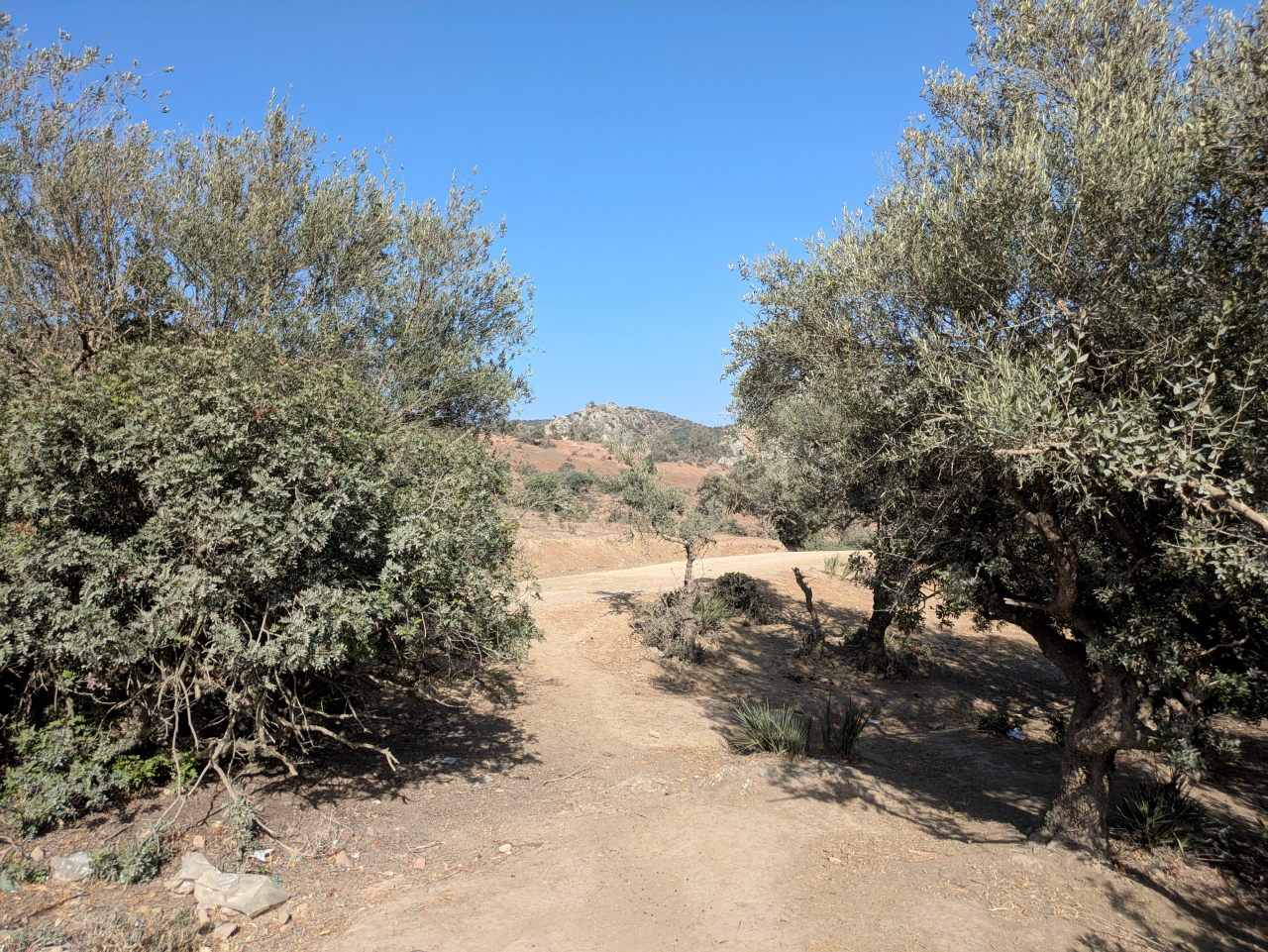
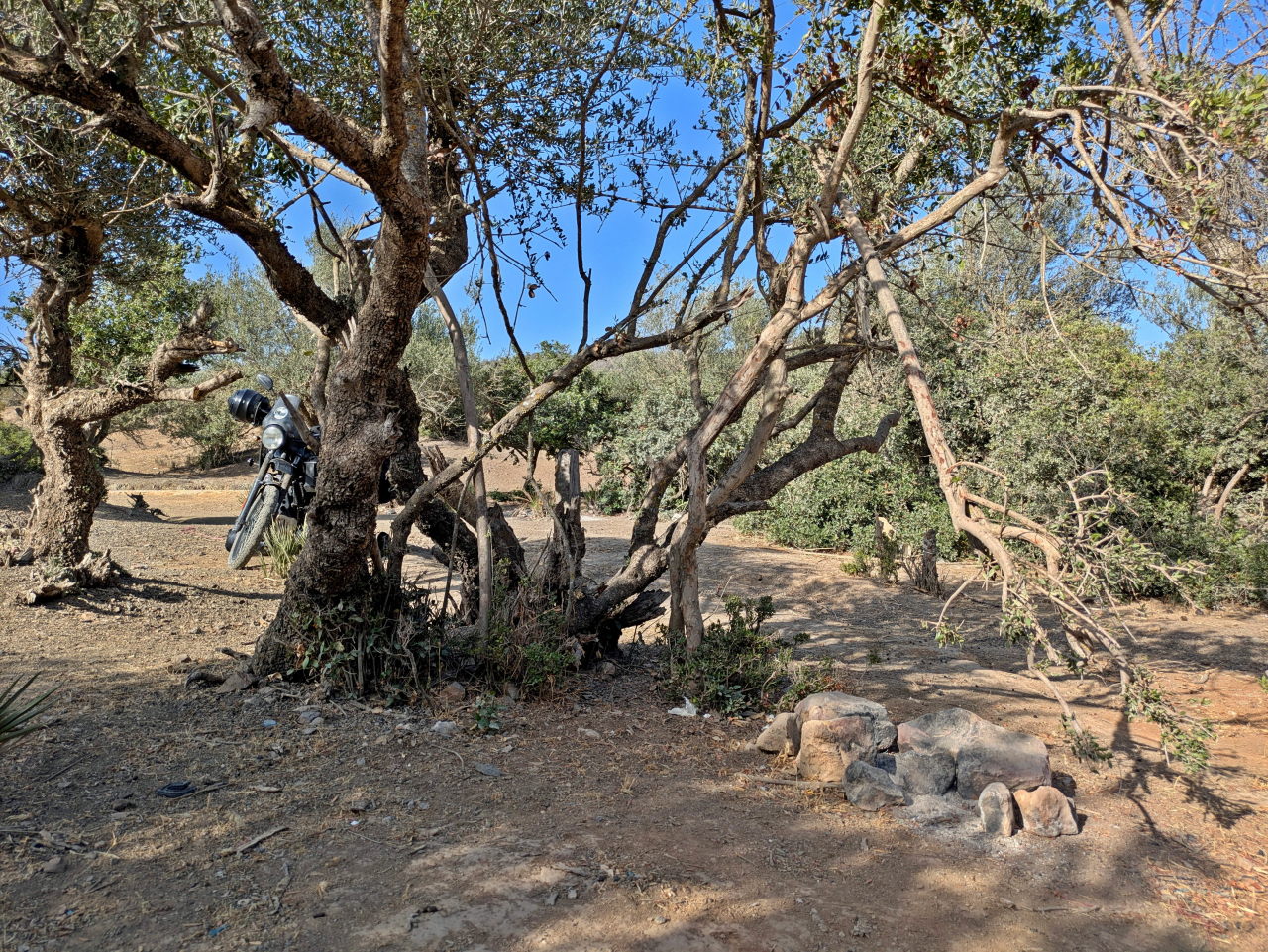
After 470 km of riding, I did my first wild camp near Benslimane, in a sparsely-wooded area,
just off a gravel trail. The temperature was down to 32°C. I set up my tent and cooked food
and had a little walk around before going to bed. I only saw a goatherd or two: They just
waved.
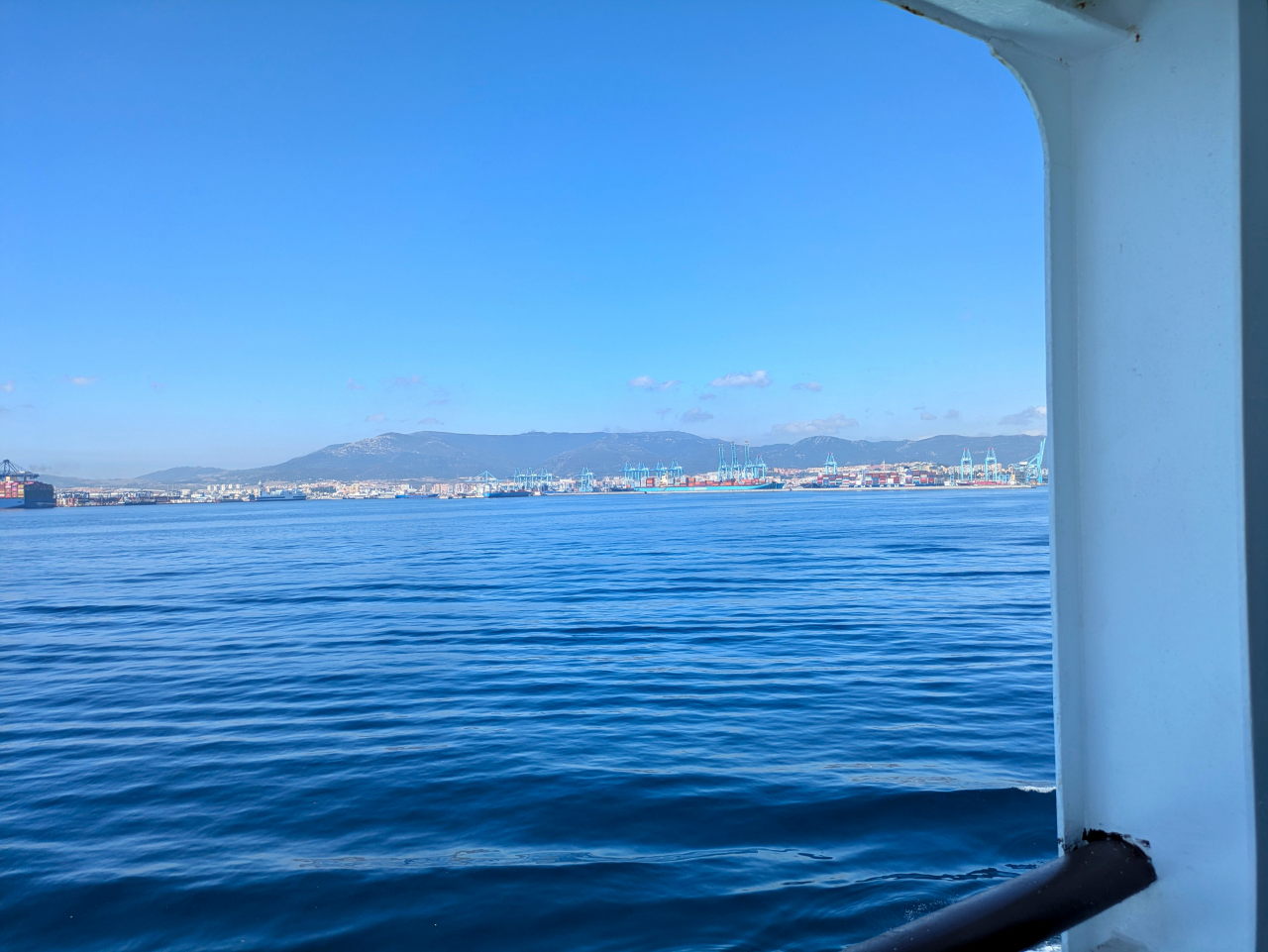
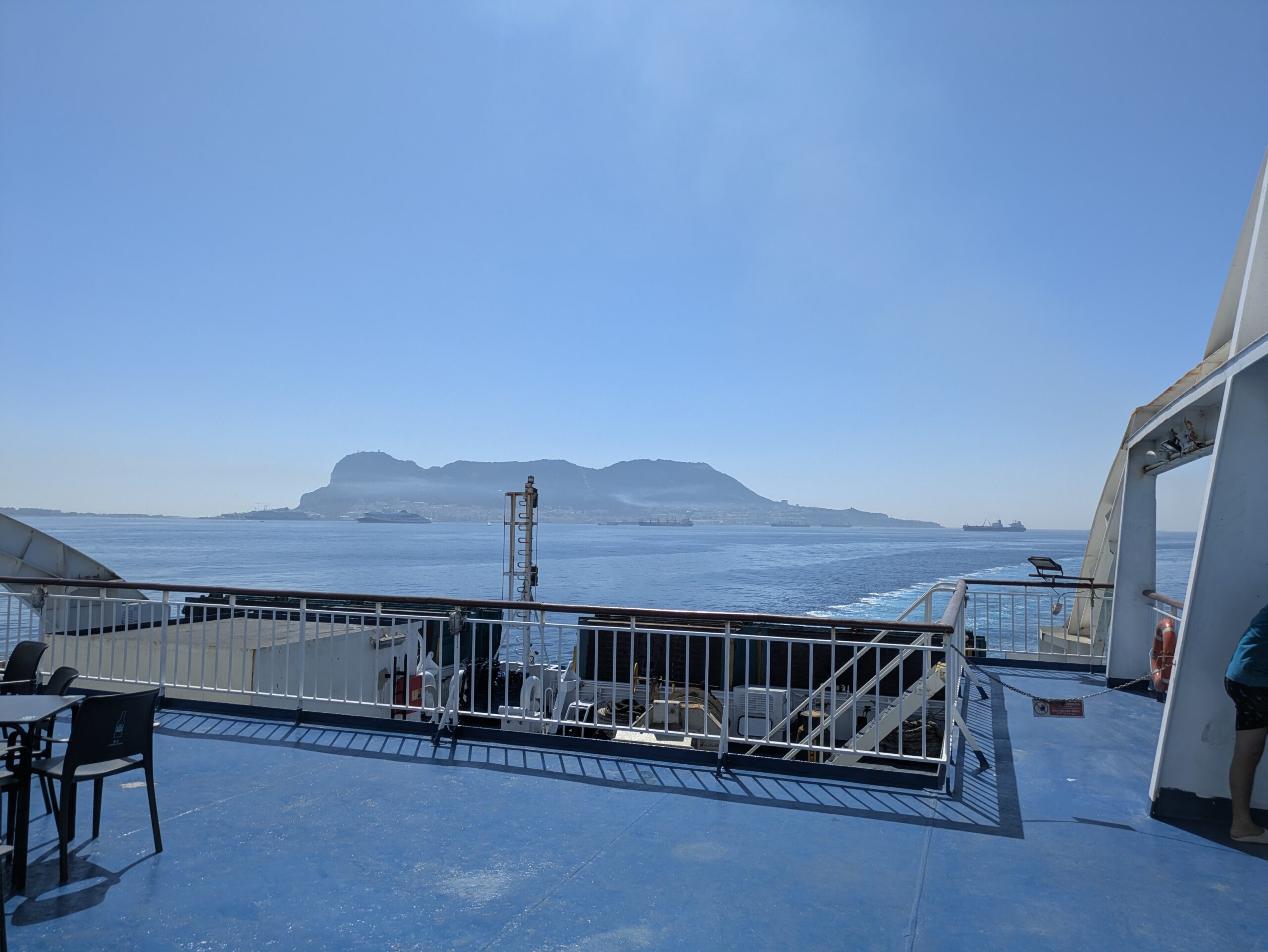
I took the boat to Algeciras, arriving at 10.30 a.m. and headed toward Seville.
I crossed towards the west just south of Seville and headed for the Portuguese border. I had to take a detour up into the hills, to go around a forest fire, but by 6pm I was putting up my tent in a camp site at Cabanas near Tavira in Portugal. I checked the day’s kilometres : 500km. It’s too much to do on a Himalayan day after day. I decided to ride less.
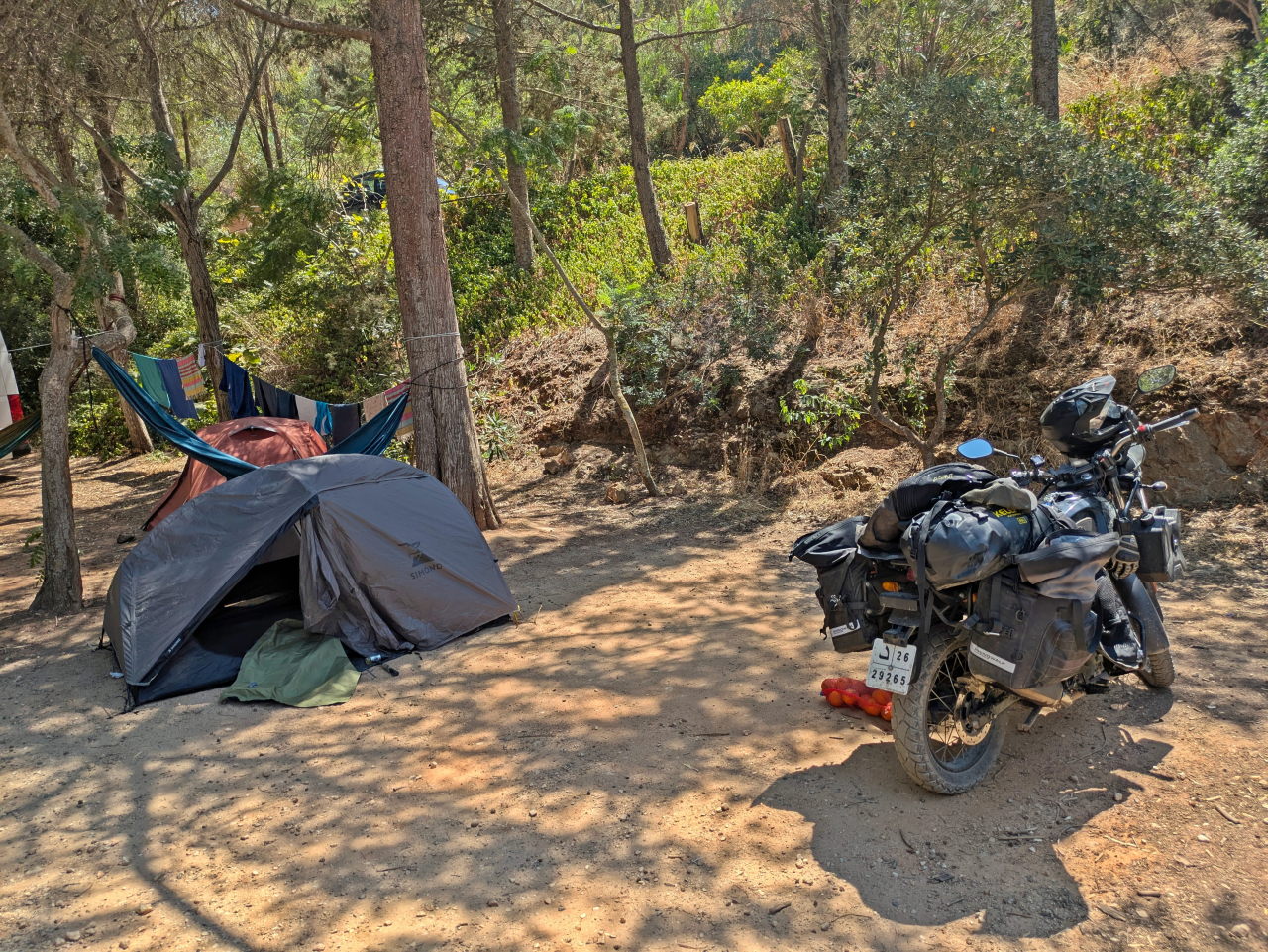
The next camp was a really beautiful campsite and only 130km away at a place called Salema. They had a restaurant and the best fish soup I ever smelt or tasted. Many years ago on the island of Santorini, each evening we could smell a fish soup as we passed a restaurant. Every evening the place was full. When, at last, there was a free table, we went in and sat down: There was no fish soup that evening! This was the smell and taste I found in Portugal!
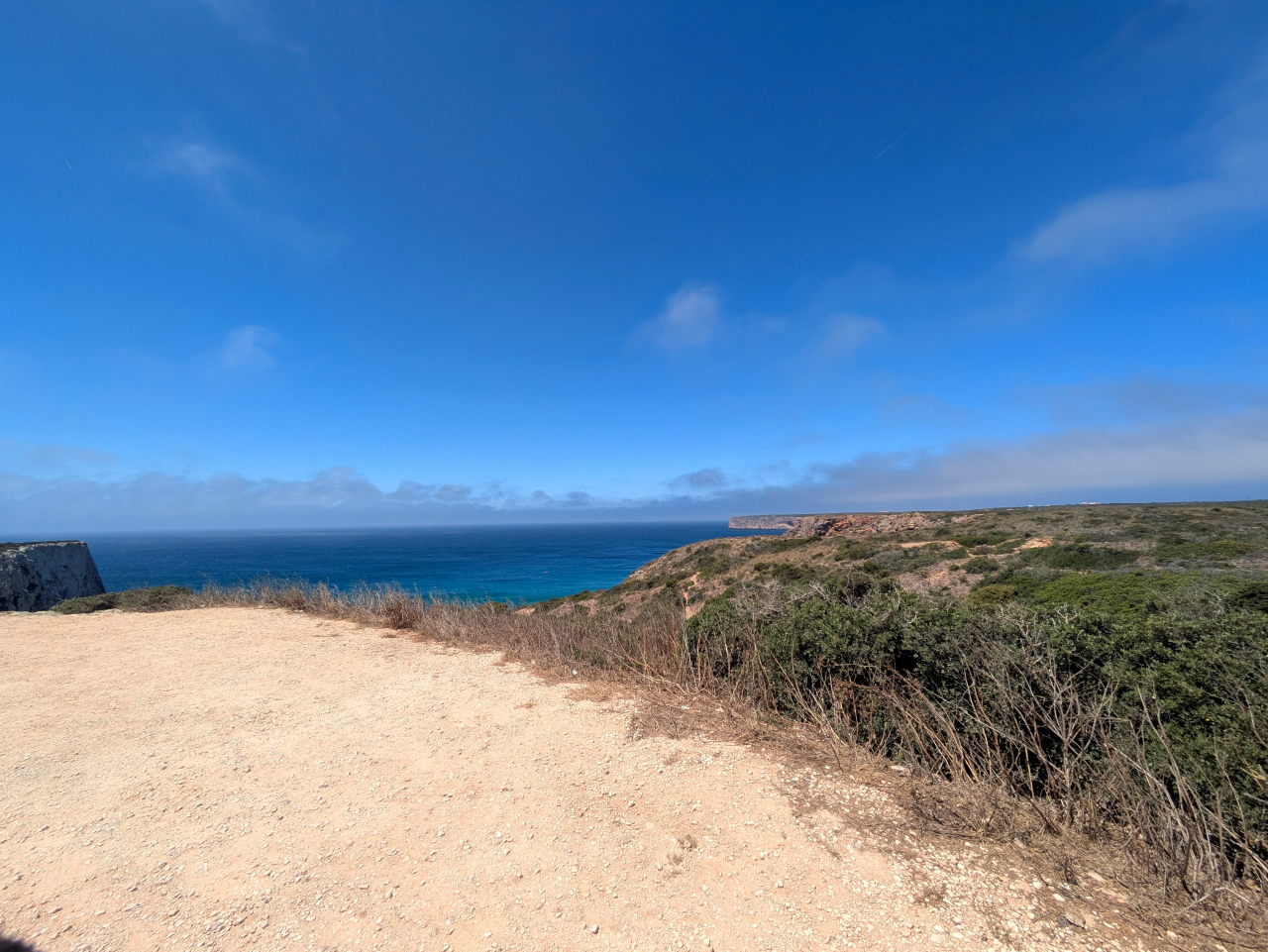
My idea was to head towards Cape St Vincent in South-West Portugal, occasionally visiting beaches in the Algarve region, which I’d read were beautiful. This was July. I suspected the beaches would be crawling with tourists, and so they were.
The Himalayan 411 has a kick-stand that’s too long. The bike sits very upright, and with the load of gear I carried, the bike was tipping over when it was parked, so I popped into Sagres, a nice little town, to a motorcycle shop, where I had the suspension adjusted to it’s highest setting. It was a little better. While at the shop I met Angelo, a Spanish man with the same model of bike as me. On the back, he carried less luggage, but instead, a big Border Collie. They were visiting the four cardinal points of Europe together: Cabo de Roca, Portugal, Nordkapp in Norway, Punta de Tarifa in Spain and the Ural mountains in Russia.
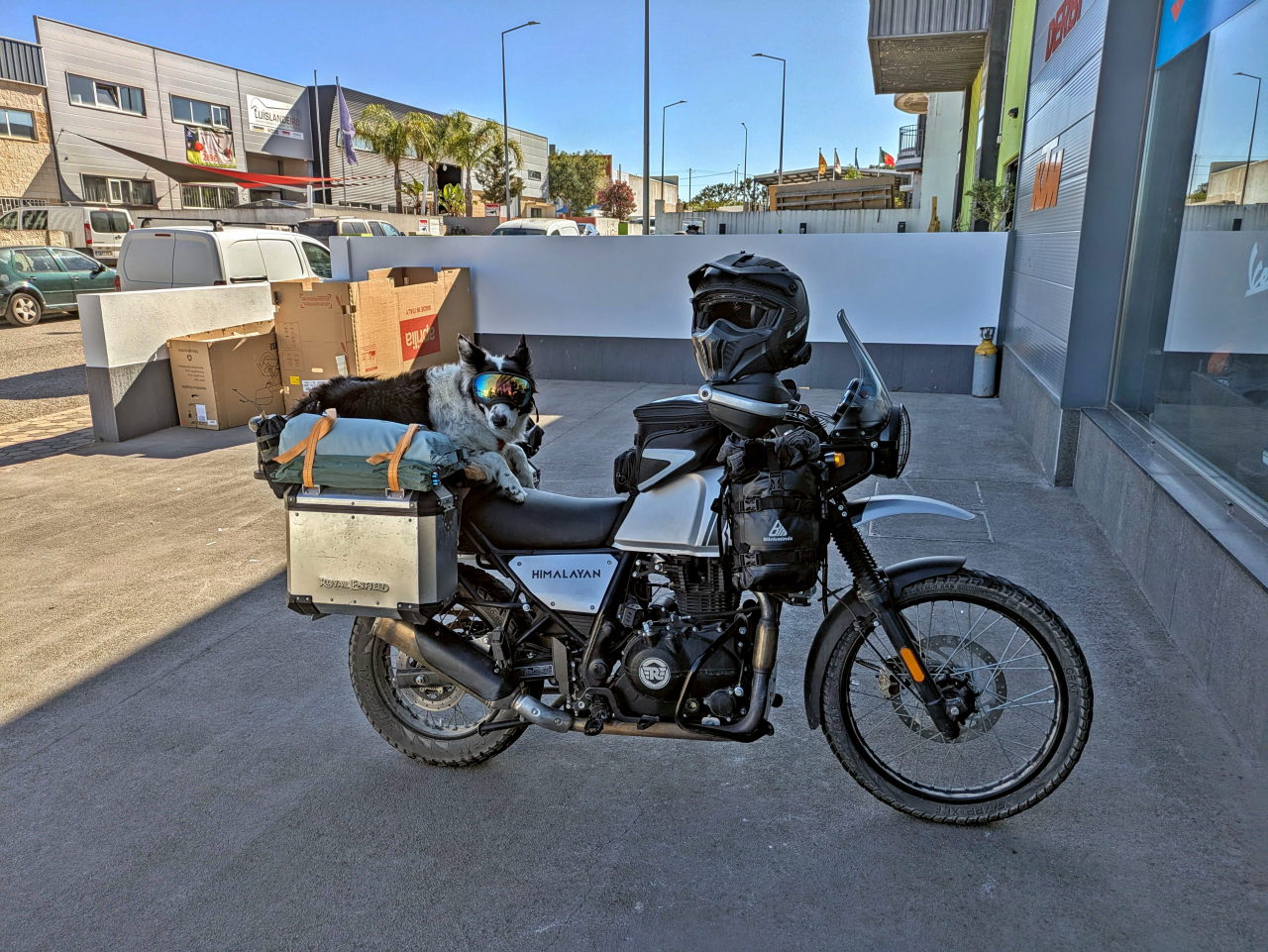
A fellow voyager.
Talking of wind, as I approached the coast, the wind was becoming very strong, blowing the little Himalayan around on the road. I did get to cape St Vincent, off which Admiral Sir John Jervis won a decisive battle against the Spanish navy, assuring for many many years the naval dominance of Britain in the Mediterranean. Silly of me, but it was a goal like any other. This cape was considered the end of the earth by the medieval Portuguese.
I headed north, doing stealth camping (because camping is illegal in national parks). I was very careful to leave no trace behind me. I don’t think anyone saw me, arriving at dusk and leaving at daybreak. I have a small stove that uses petrol to cook on, I have a jerrican of drinking water, camping is quite easy, deciding at the last minute where to sleep.
The beaches were beautiful and thousands of tourists agreed with me, so, after stopping for a night at in a campsite at Melides, where I especially enjoyed a hot shower after my jerrican showers while stealth camping. There, I decided to give up on the crowded beaches and head inland. I’d heard Portugal had very beautiful natural parks, so I rode all the way across the country to Moura, in the province of Beja, then Mourao in the neighbouring province of Evora near the Spanish border. Mourao was memorable for its castle, and, sitting astride the two provinces, a beautiful lake where I went back to my illegal practice of stealth camping.
Speaking of camping, I used to camp a lot, either by backpack and trekking, or mountain hiking, or later on with a car to carry the heavy gear. Thirty years later and sleeping at ground level in a small tent was physically very hard at first. For one thing, the need of toilets in the middle of the night is more frequent, for another, leg cramps “help” make it more fun getting dressed enough to be seen in public. The first two weeks were pretty hard, but then it was as if the rusty old machine started working again, admittedly with a few creaks and groans.
I have a two person tent, bought from Decathlon. It weighs a bit less than 2 kilos and packs down to a very compact volume. Decathlon say it’s a two person tent, but I think it’s one person, plus equipment. If you share it, you need to be very very good friends with the other person.
One memorable stealth camp was in a forest of cork oak at a place called the “Cromlech d’Almendres”, the most amazing site of standing stones.
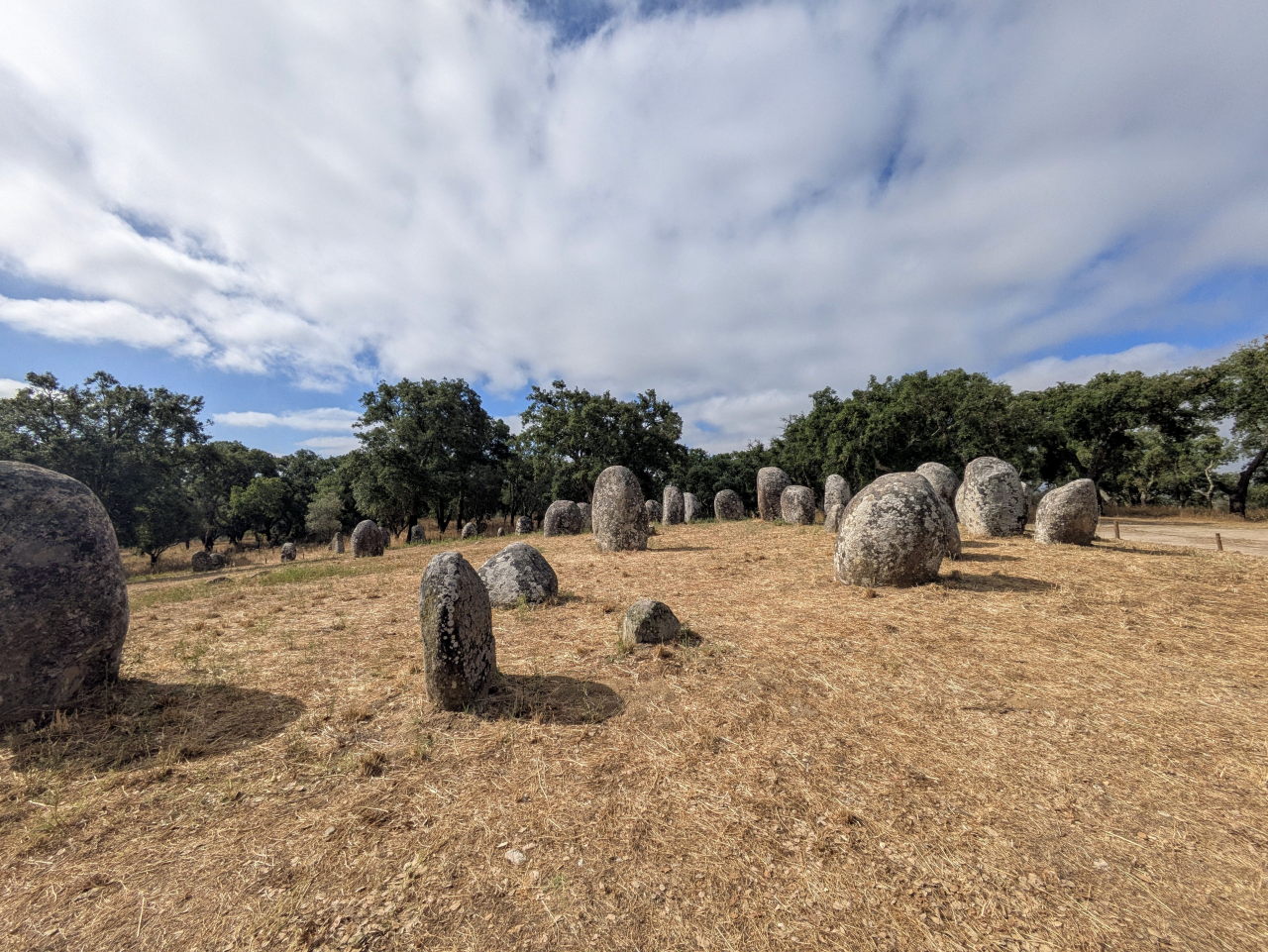
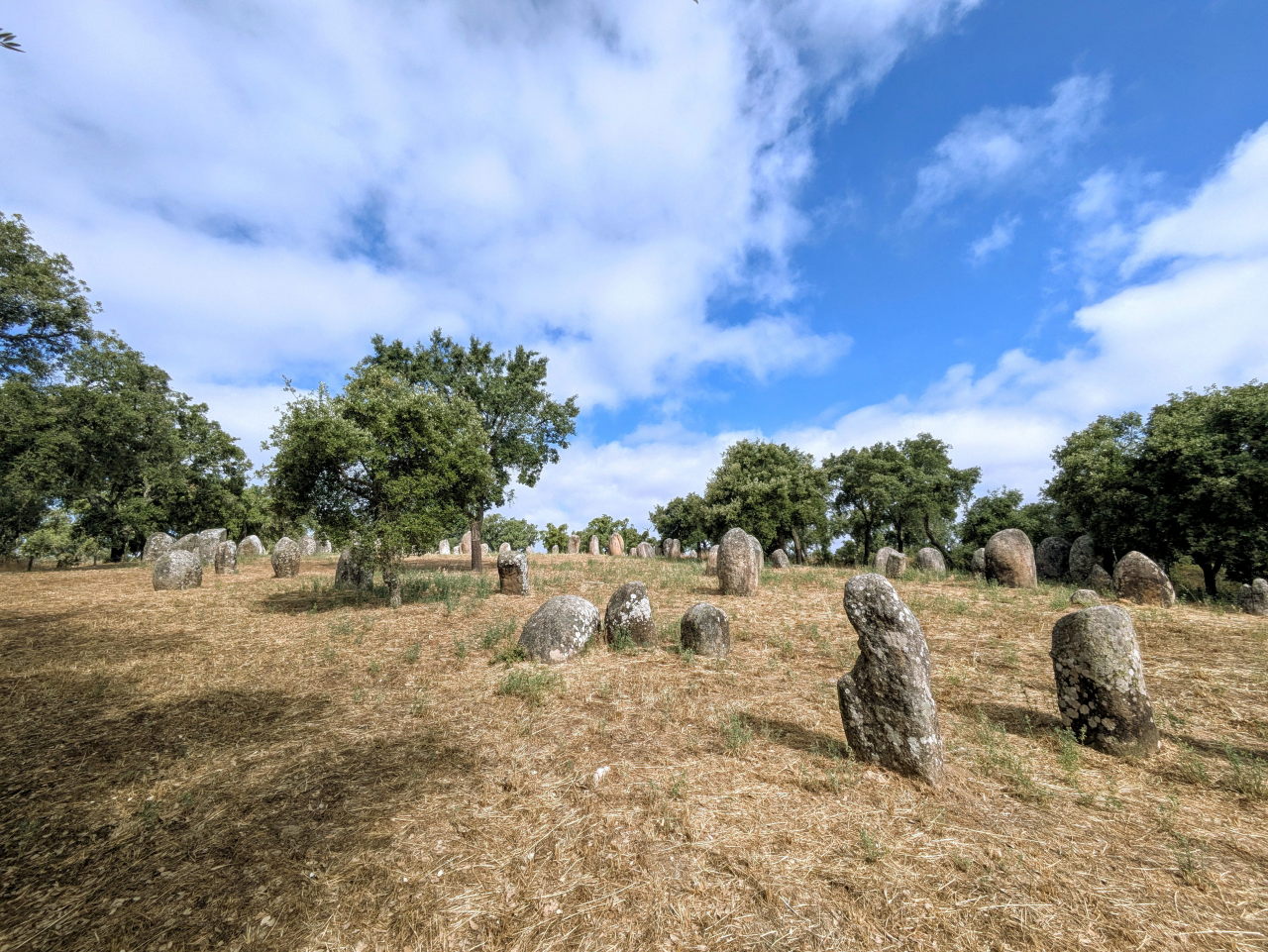
The Cromlech d’Almendres.
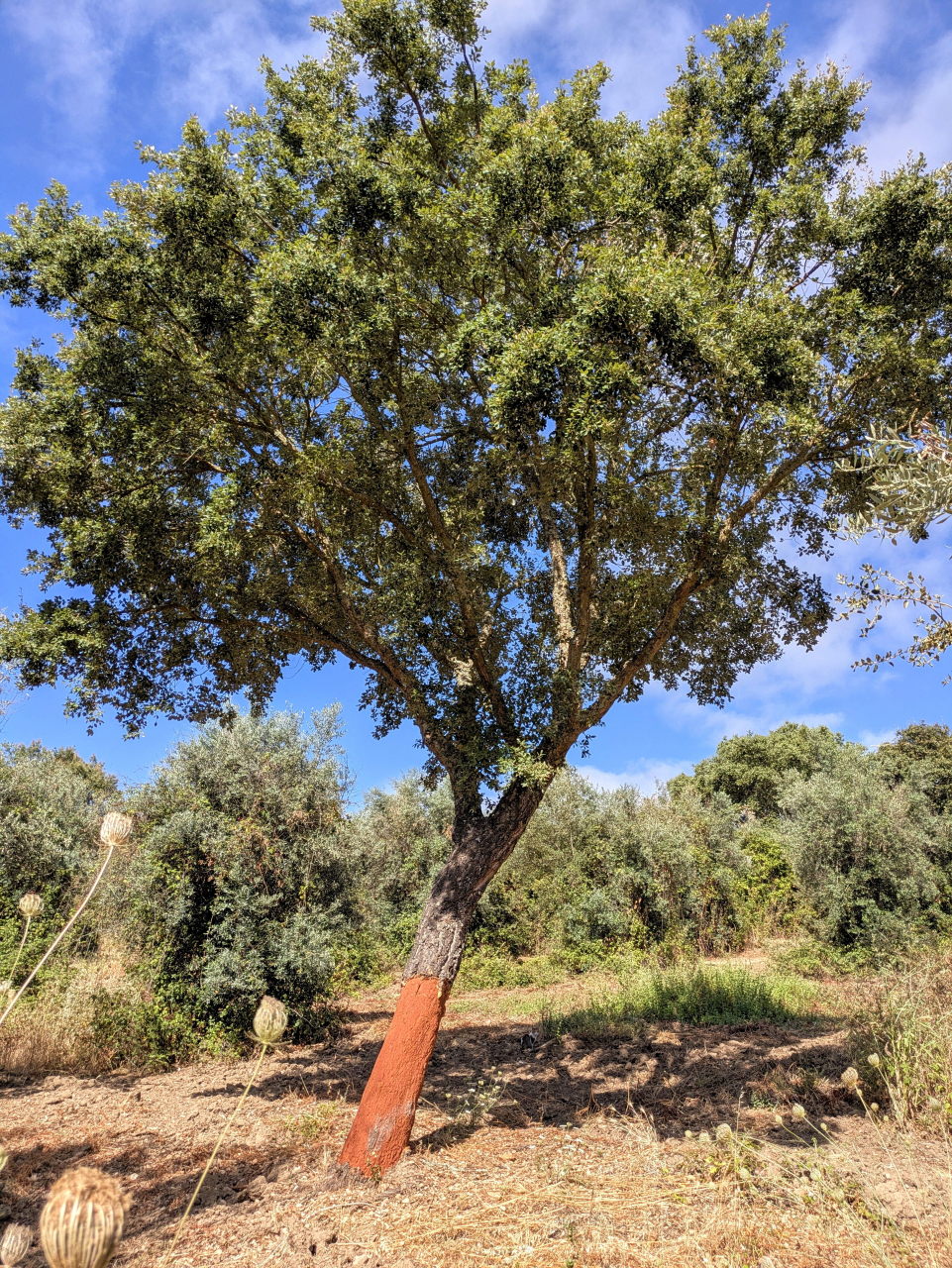
A Cork Oak, recently harvested.
t was four or five kilometres down a trail, winding through this beautiful forest. The cork oaks are amazing, part of a very big industry there, but very exotic for me. It was a peaceful place. Peaceful for the lack of people (I saw 5 people in a whole day), but above all, peaceful for its atmosphere, somehow a feeling of being rooted in prehistory. I always love the atmosphere of trees and stones.
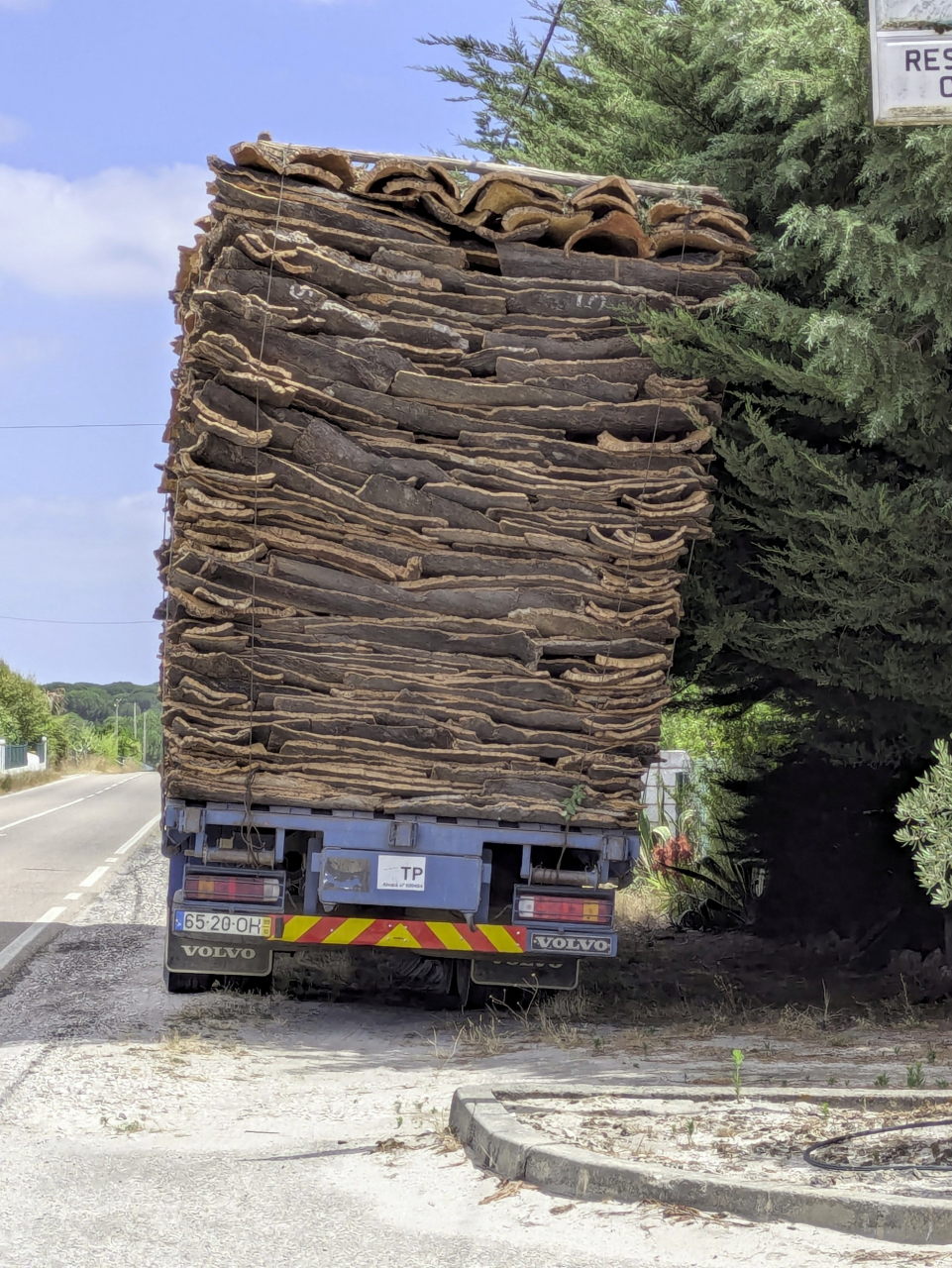
A lorry loaded with dried cork.
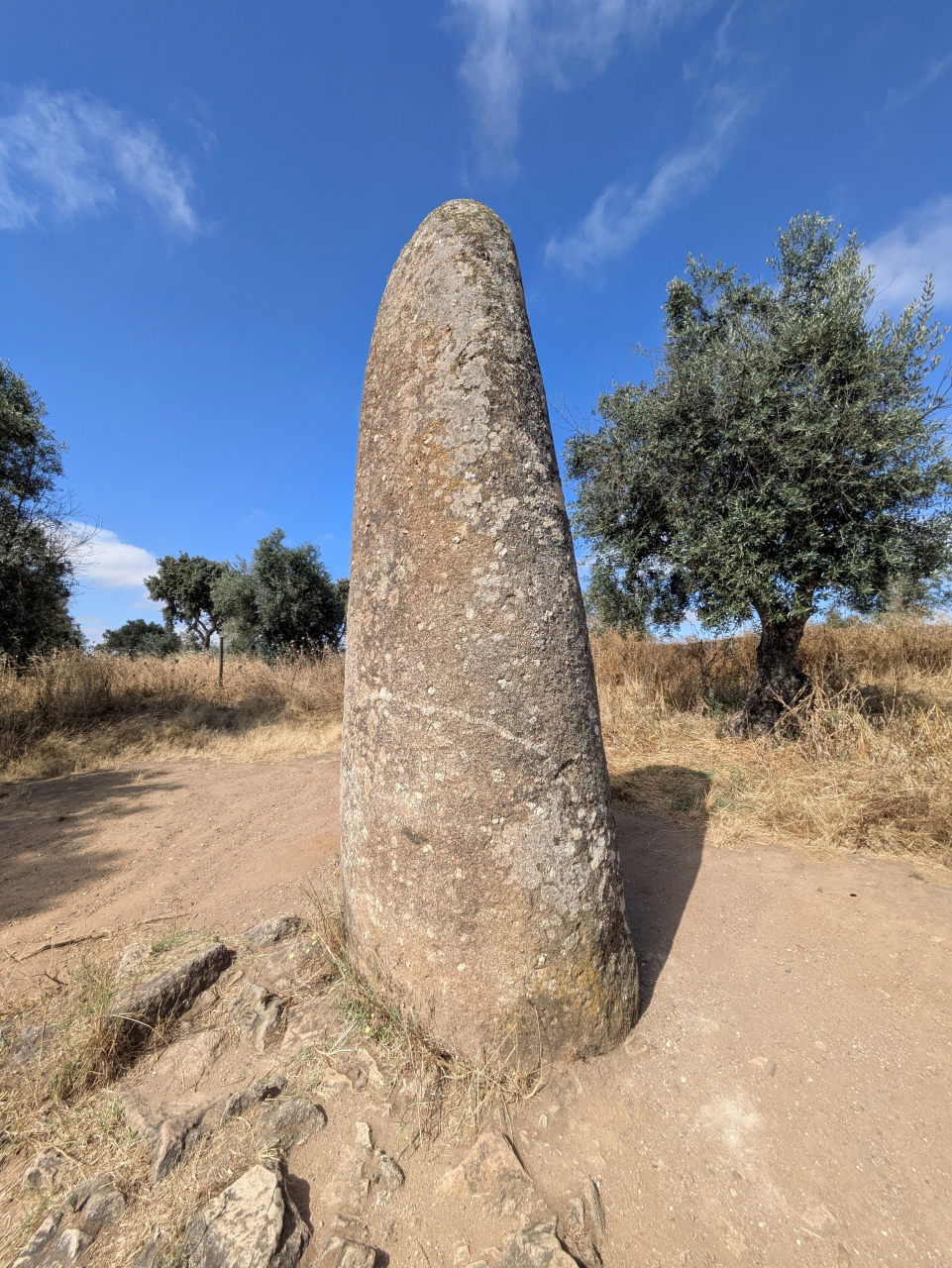
The Menhir of Almendres, about 6m tall. It’s a few hundred metres away from the Cromlech, but in the same environment of Stone Pines and Cork Oaks.
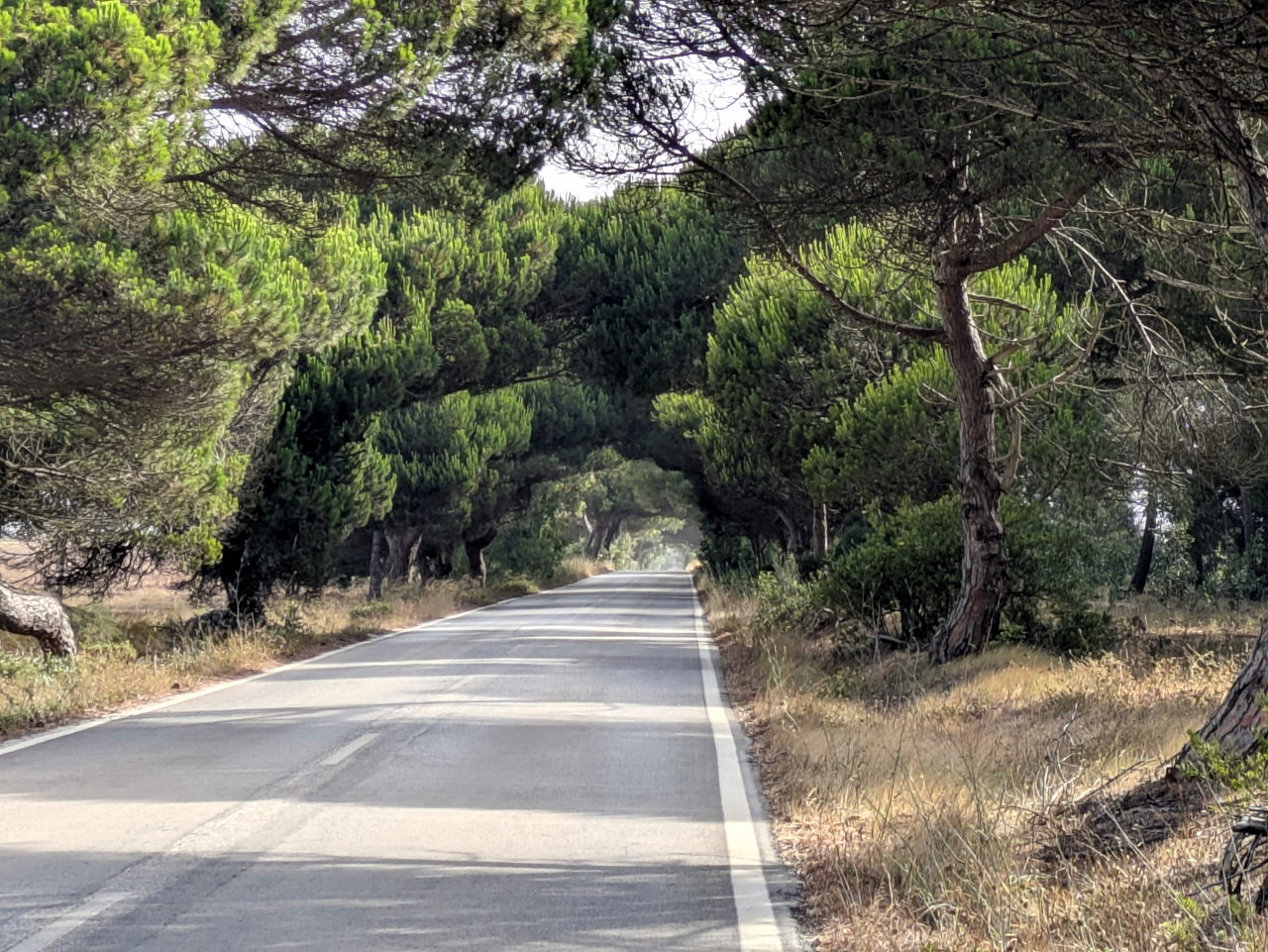
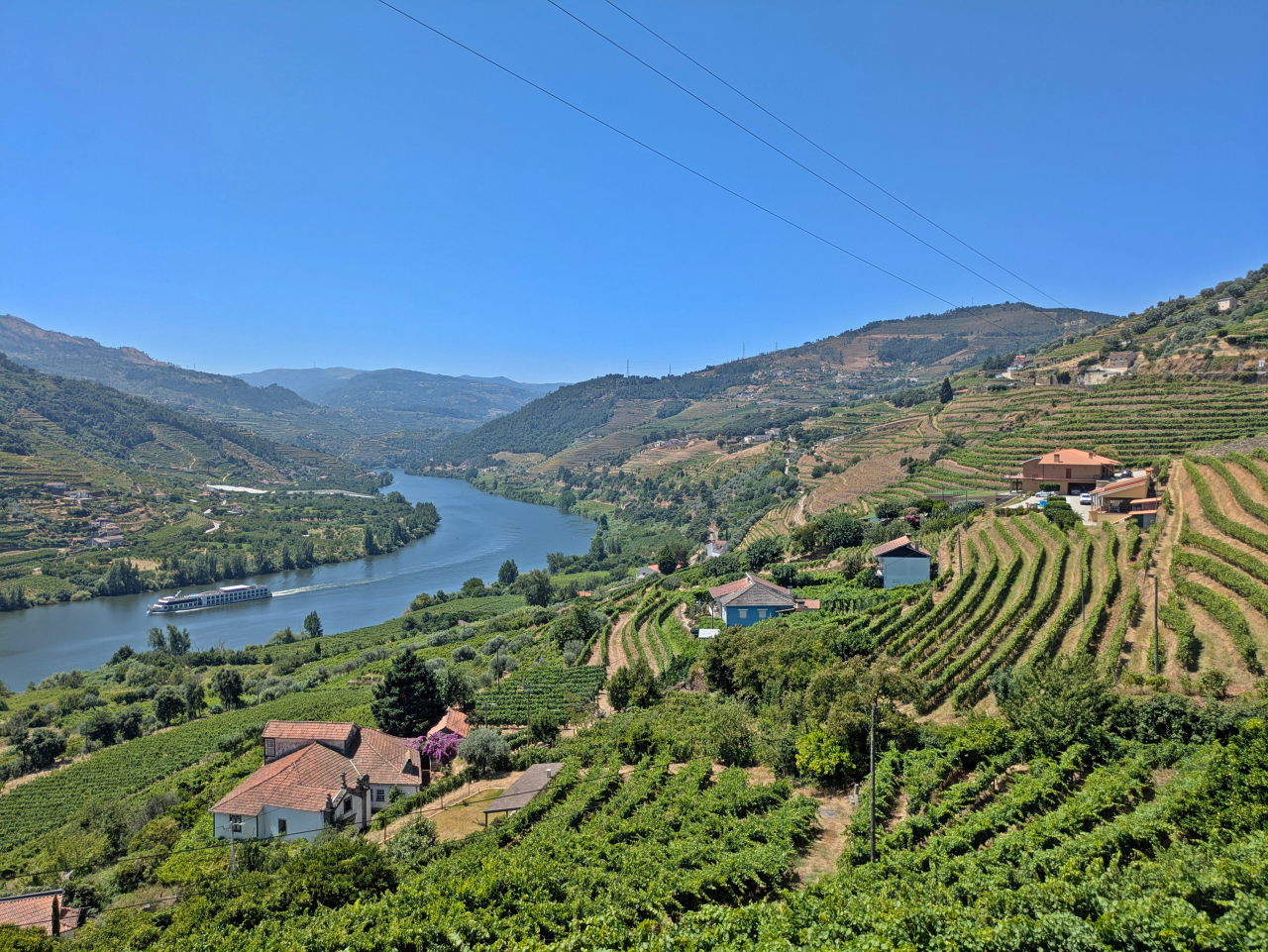
I slowly zig-zagged my way up through Portugal, ,stealth camping on the cliffs above the flat calm ocean near Nazaré, visiting quiet stone-paved villages and ancient ruins, impressed by the Roman ruins of Conimbriga and slowly changing landscapes, forests of Mediterranean umbrella pines, giving way to cork oak, then little by little to eucalyptus. I rode for hours along the majestic Douro river, before heading back to the sea. The coast became wilder, rougher, more wind-battered. More northern, somehow.
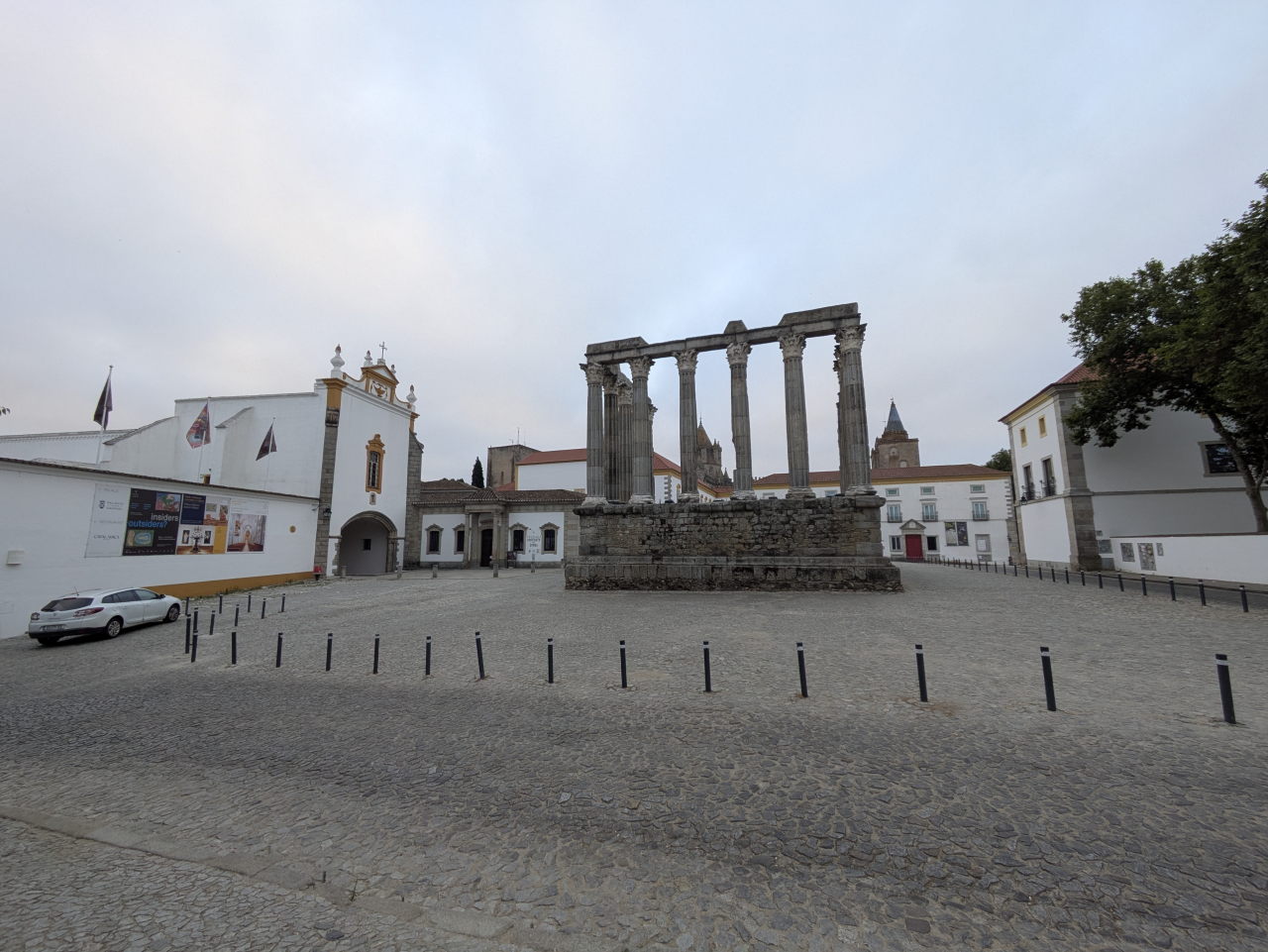
Roman ruins in the centre of Evora.
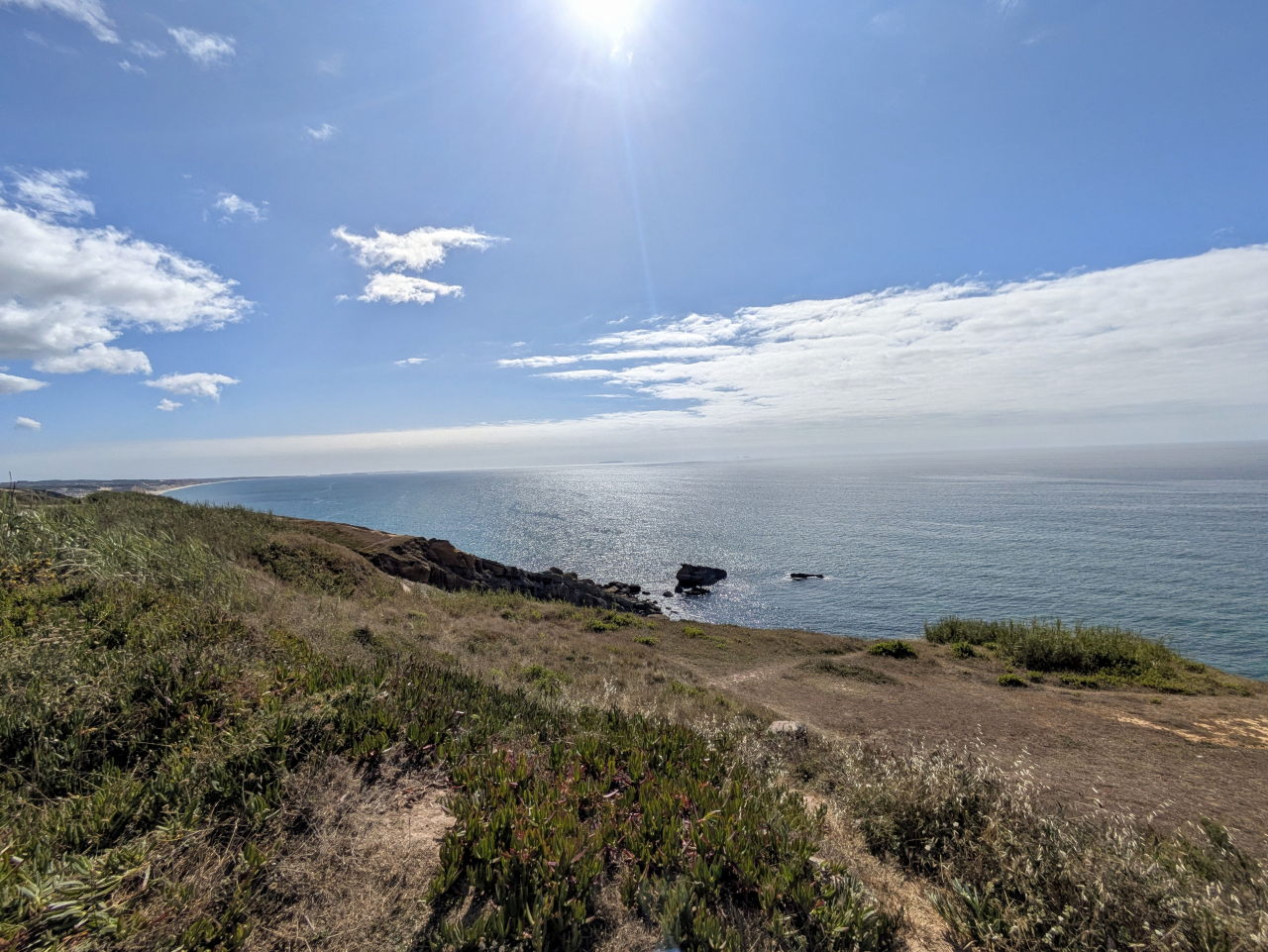
Early morning near Nazaré
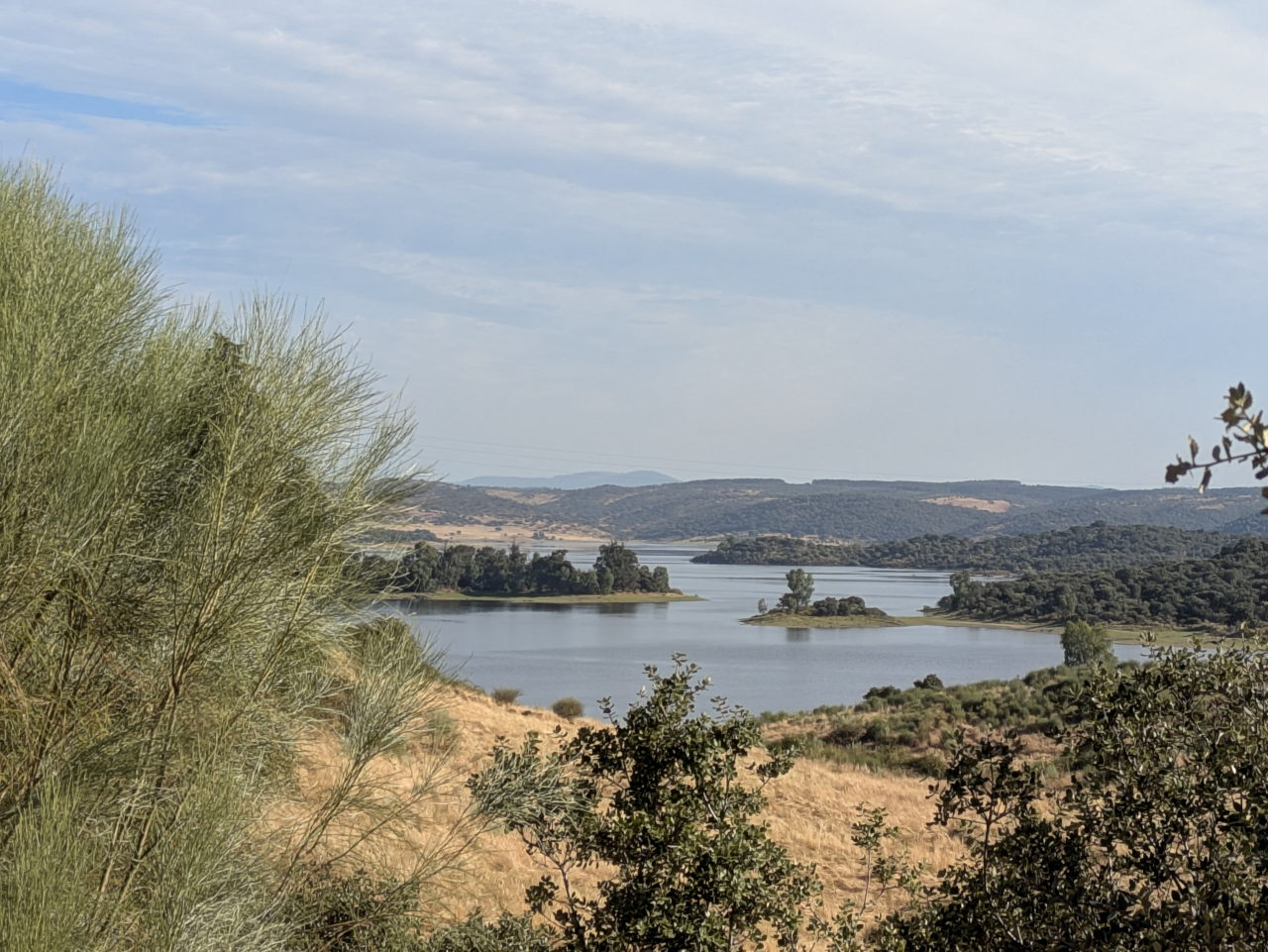
Another campsite.
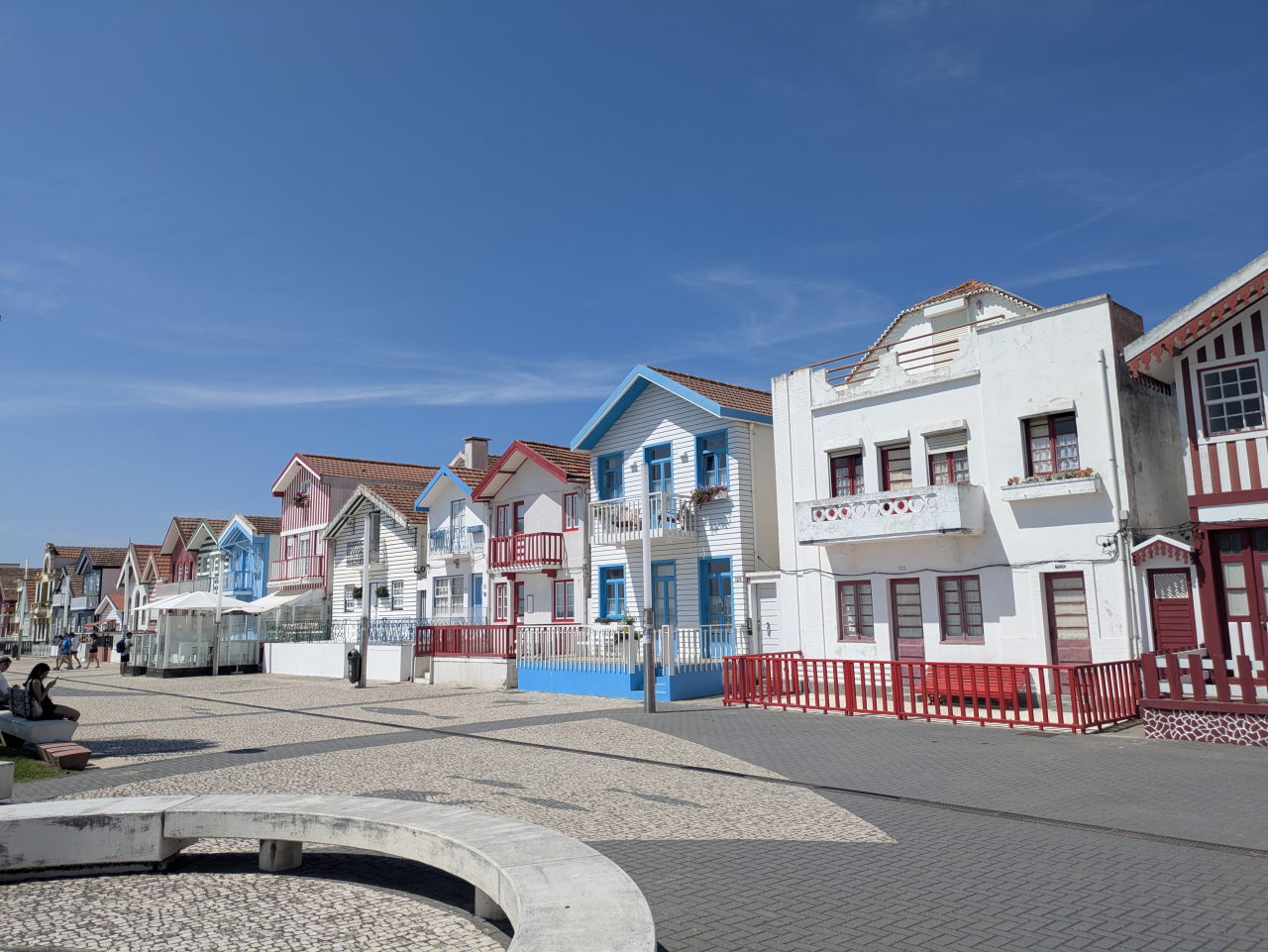
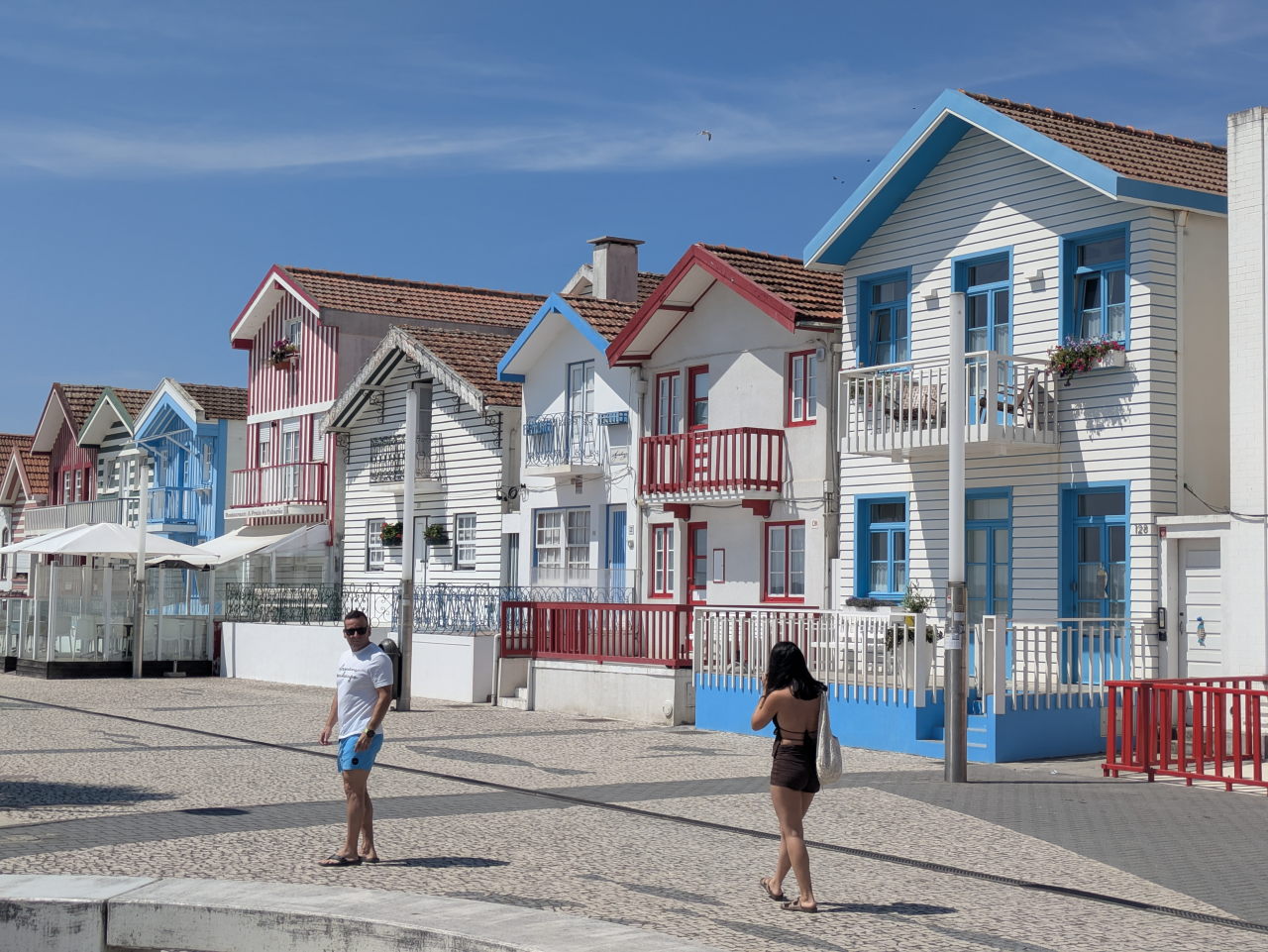
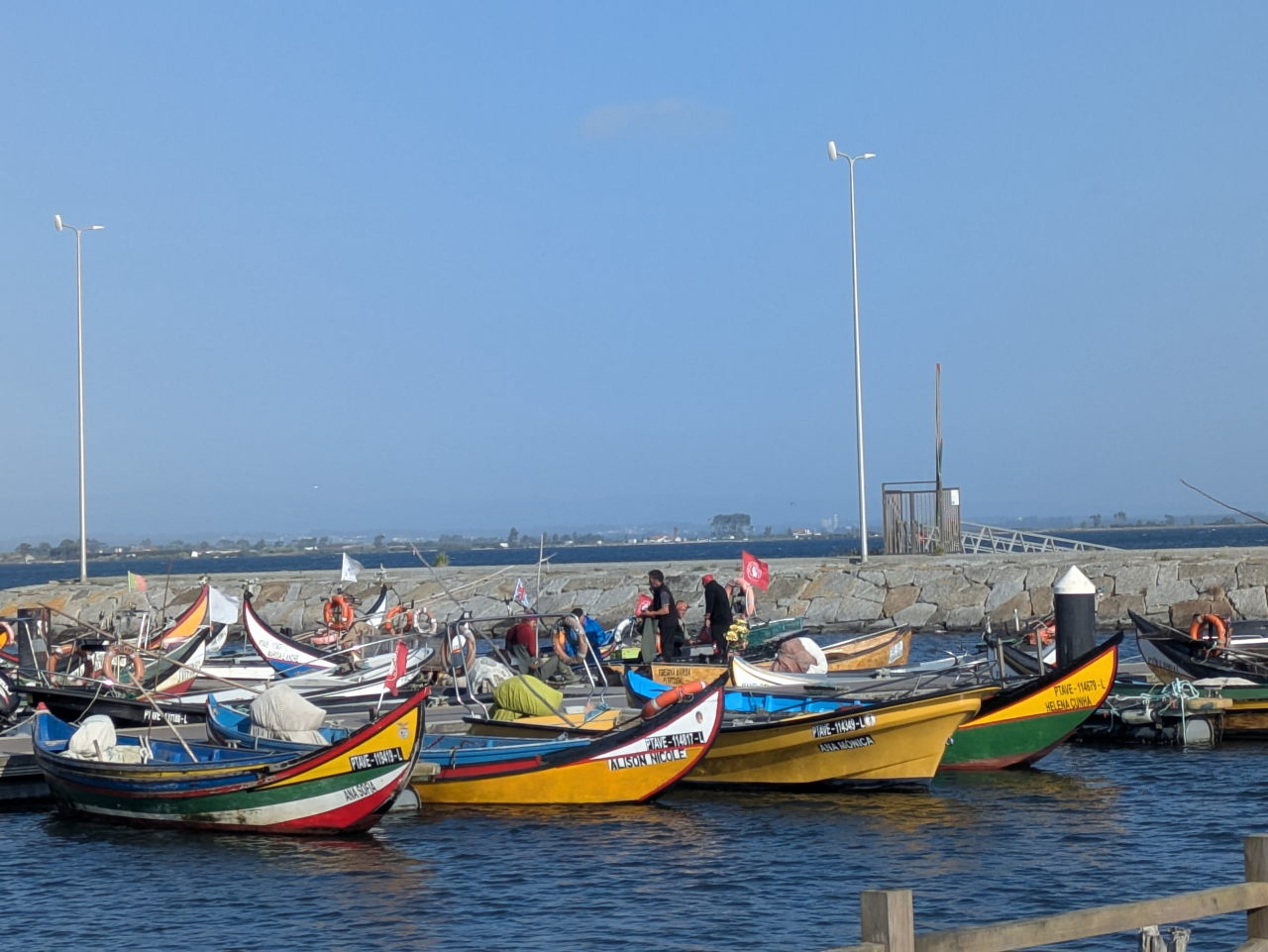
Costa Nova
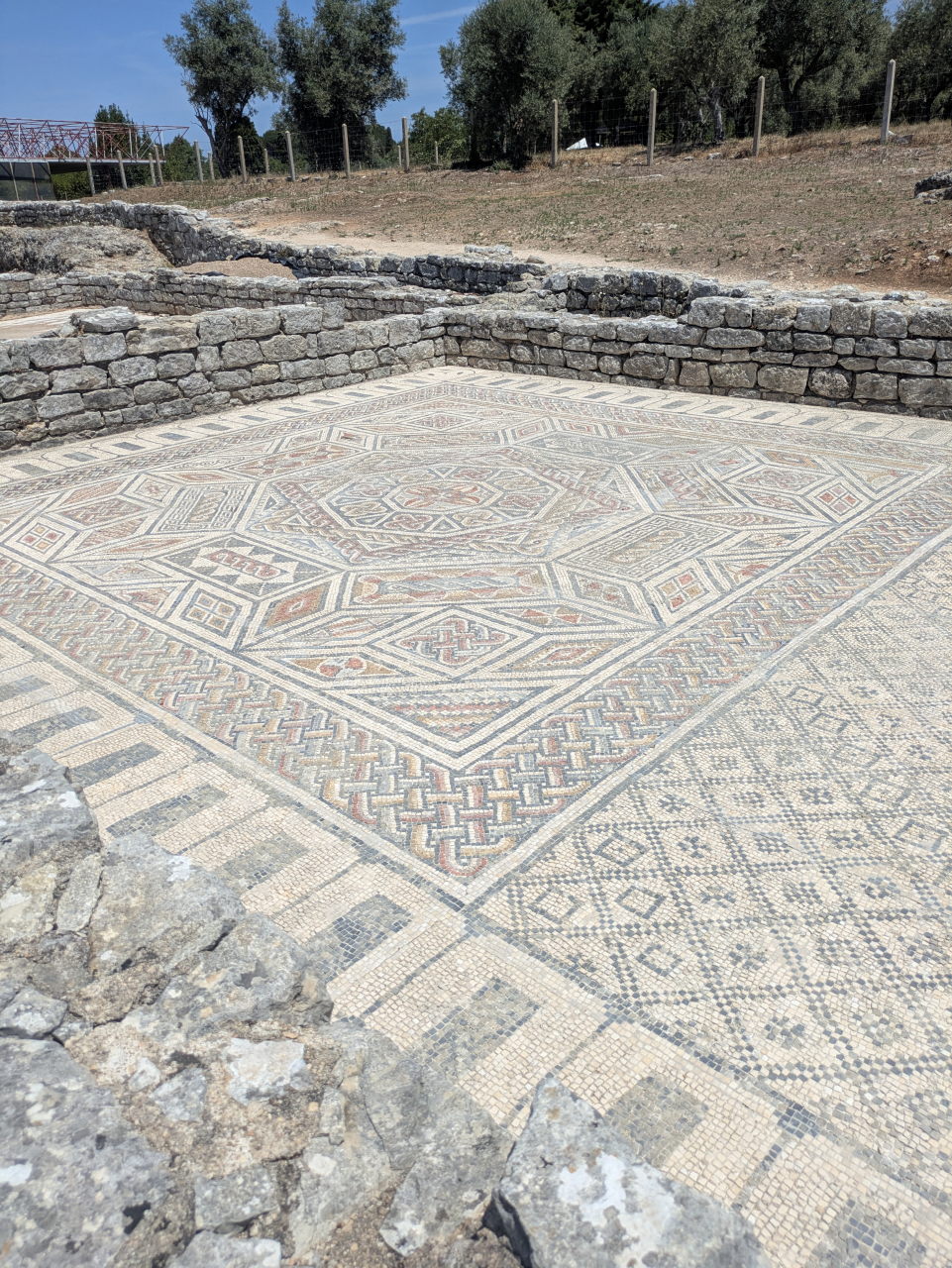
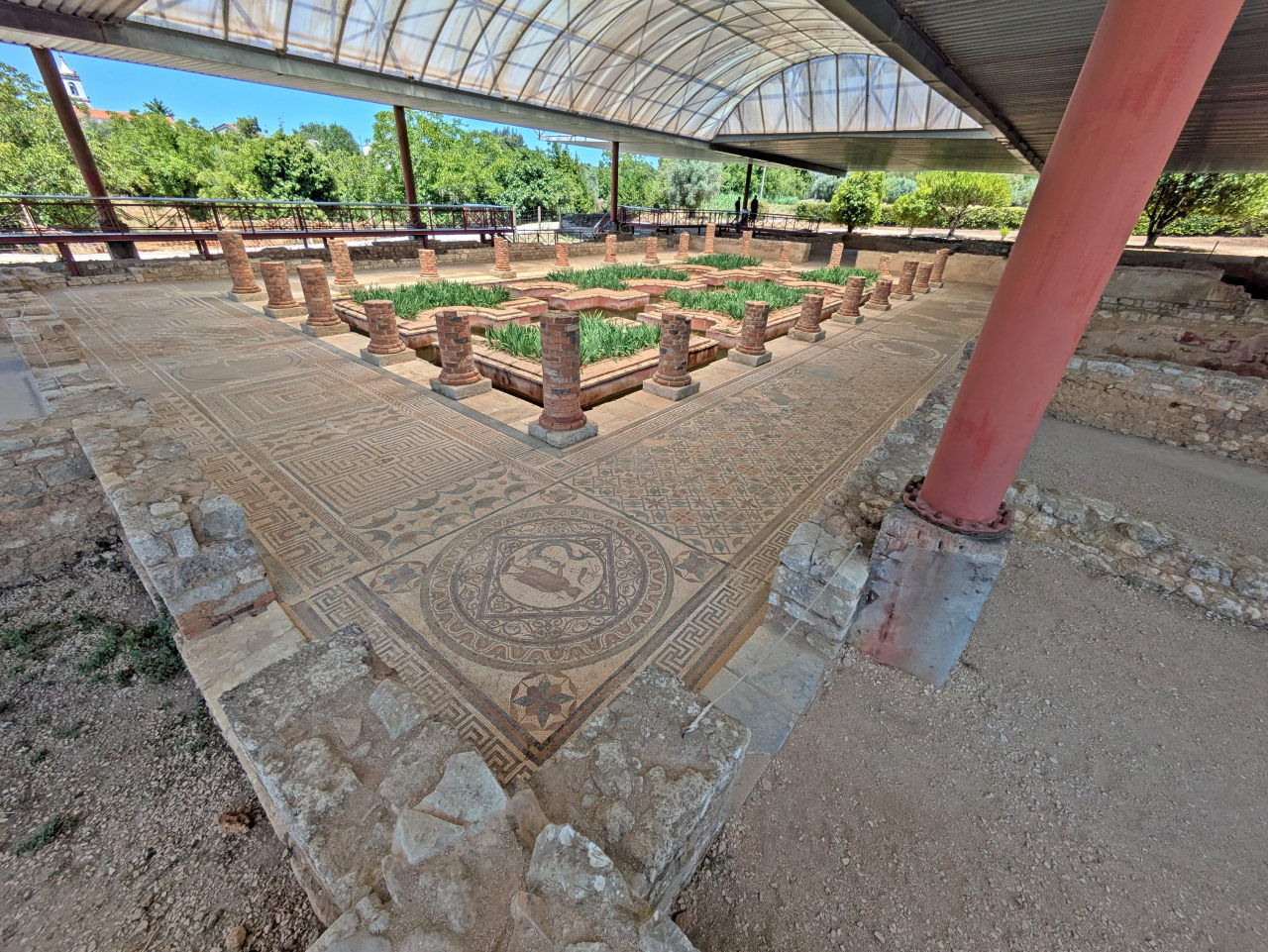
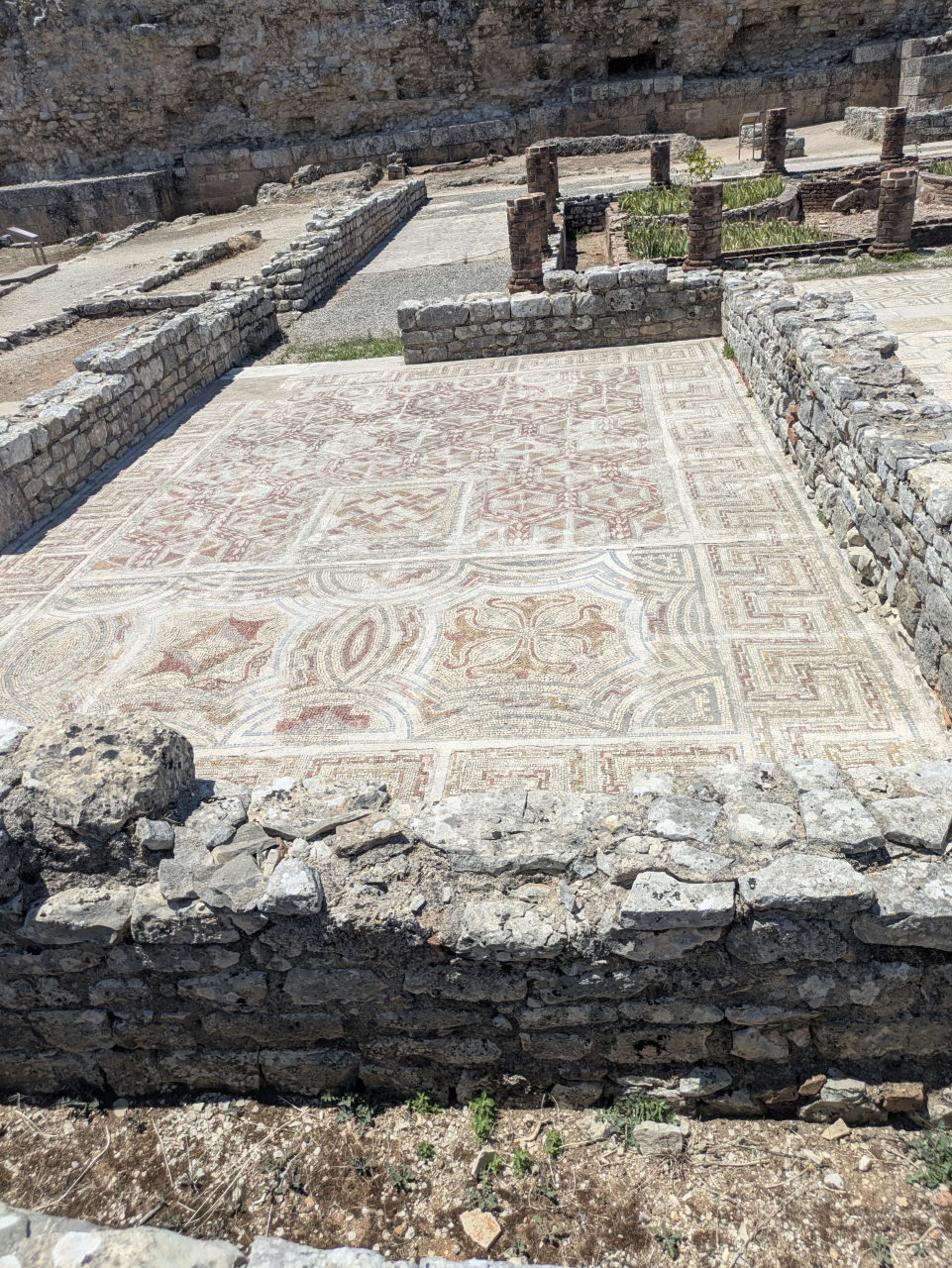
Conimbriga, the most important Roman ruins of Portugal.
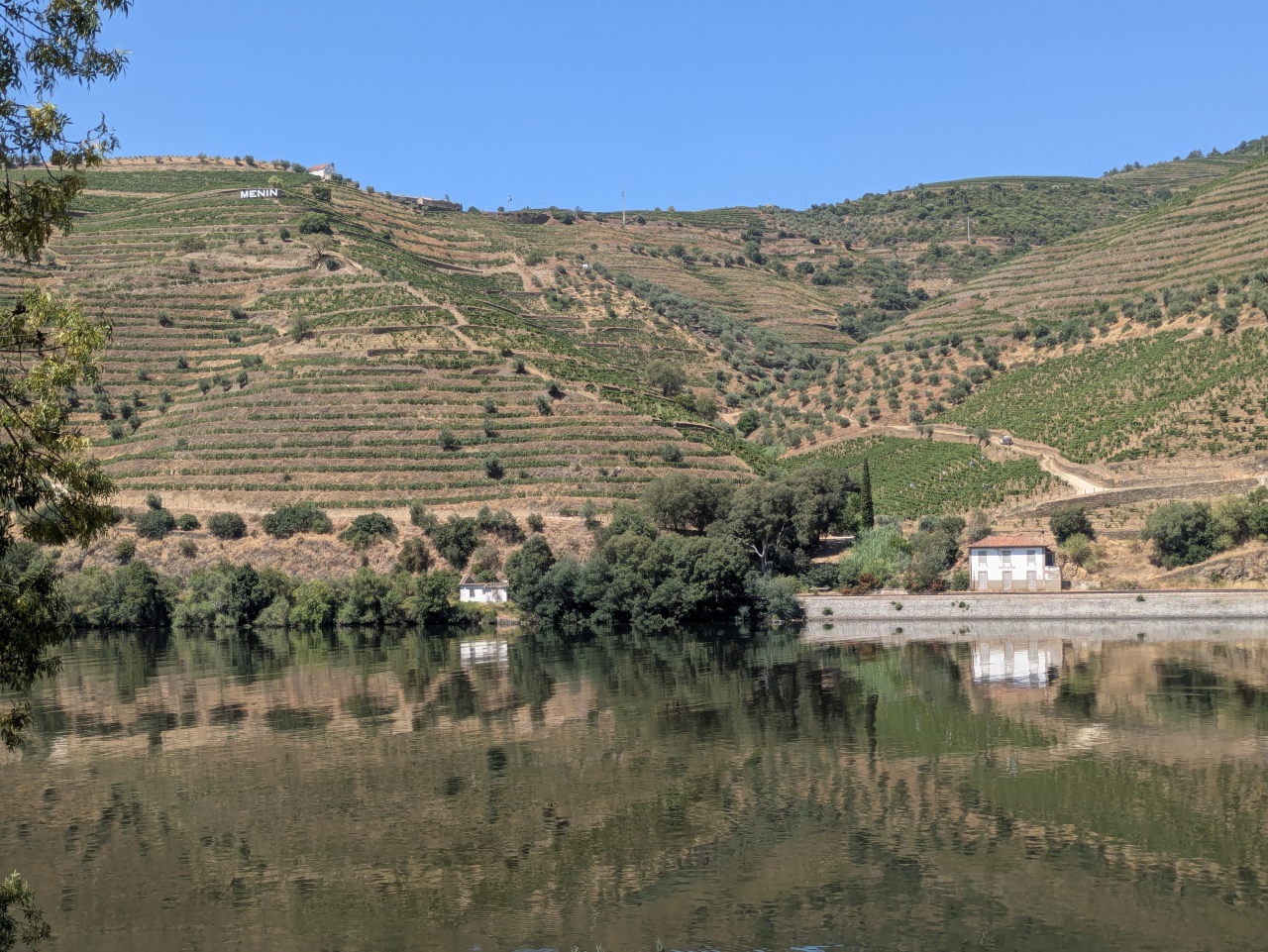
Reflections in the Douro.
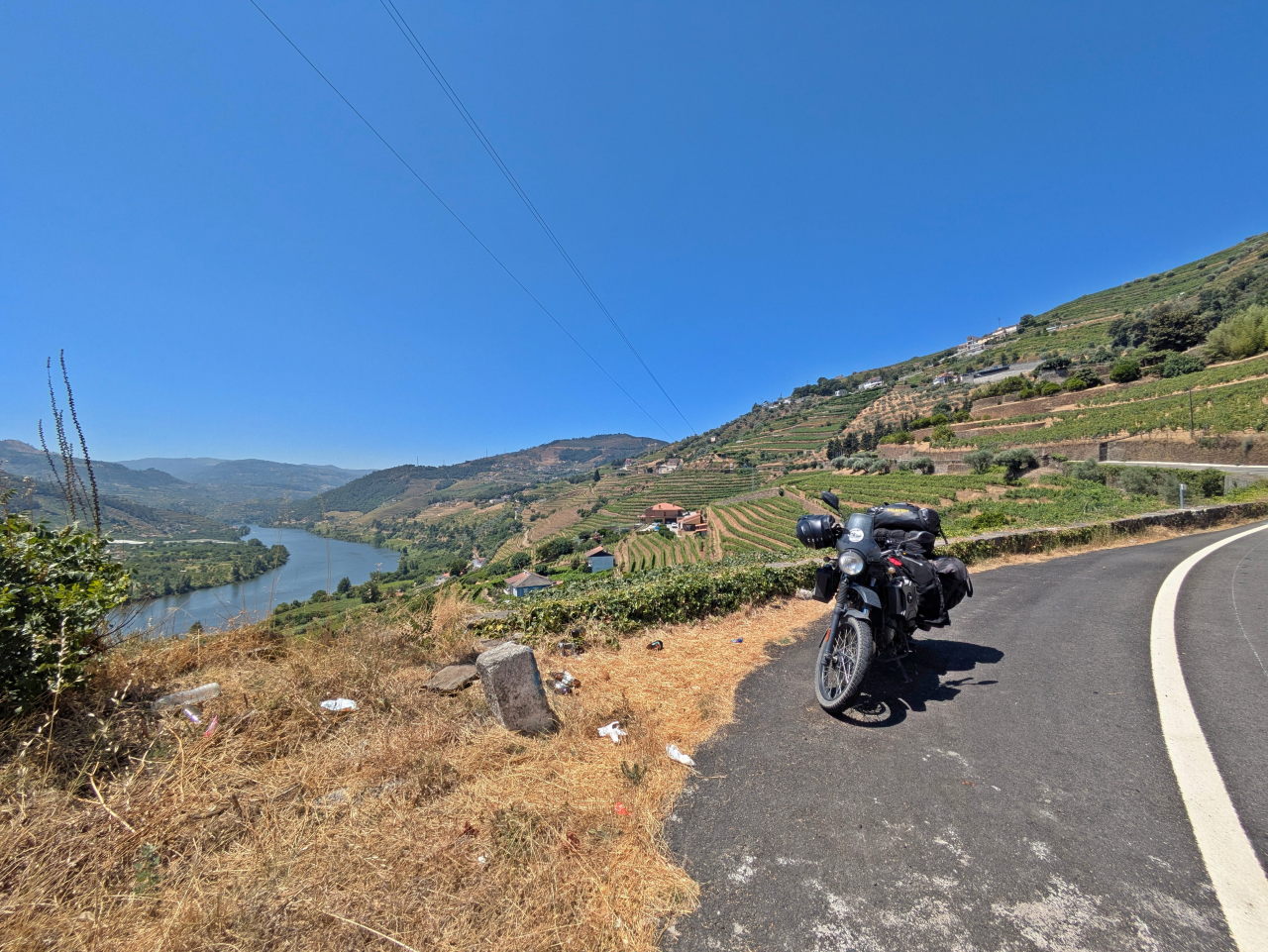
Kali, conquering the valley of the Douro.
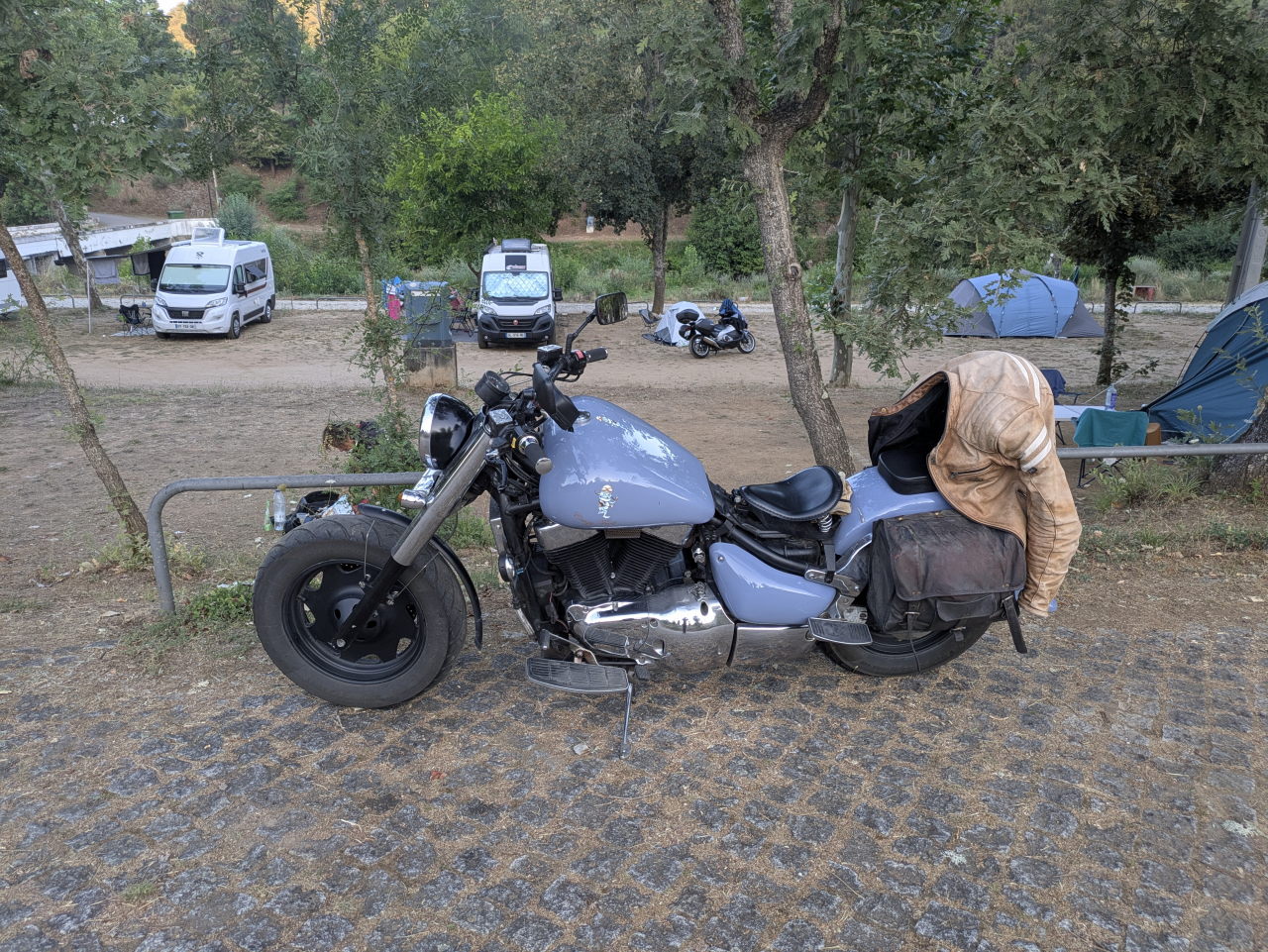
A traveller from Corsica.
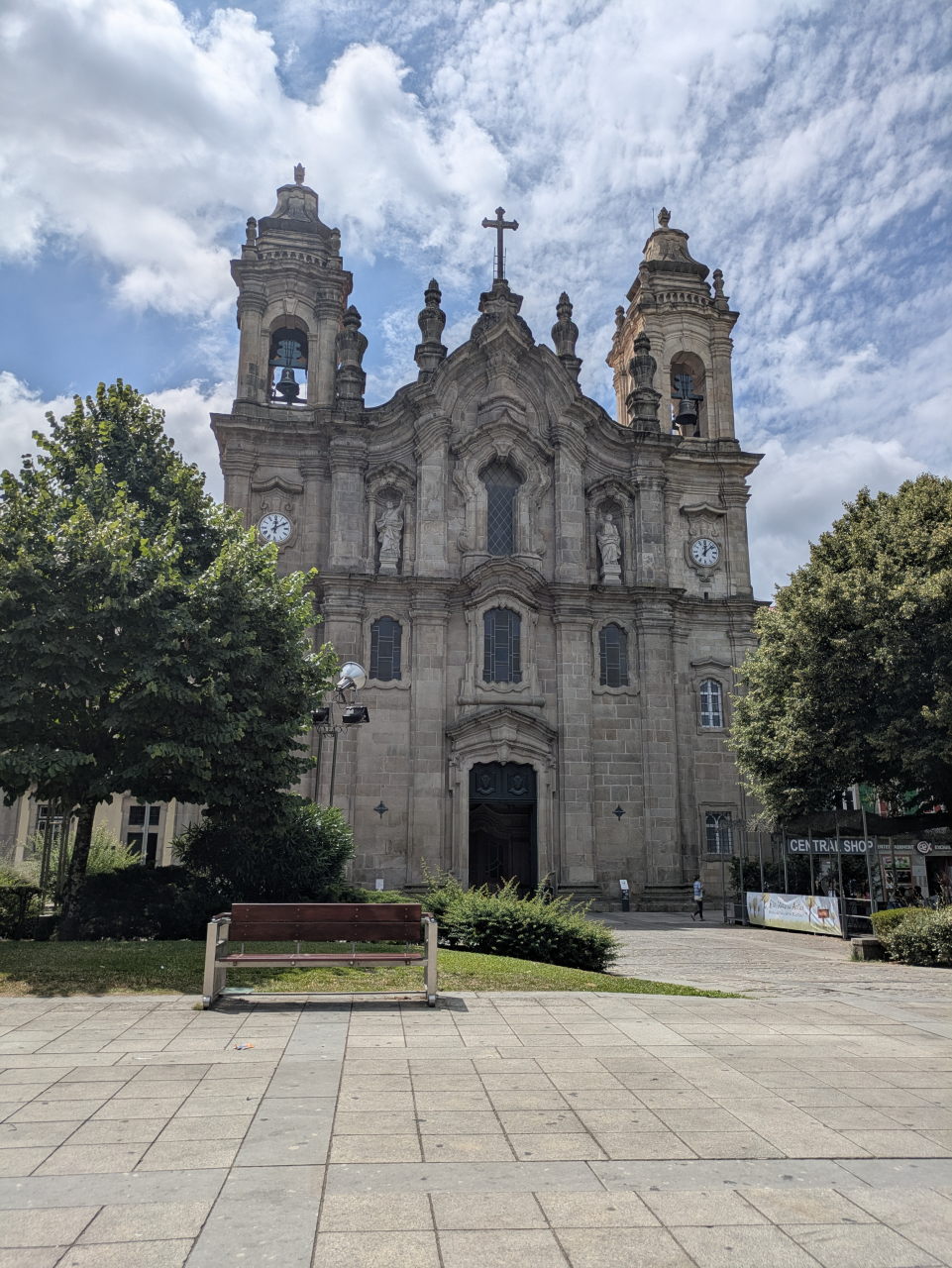
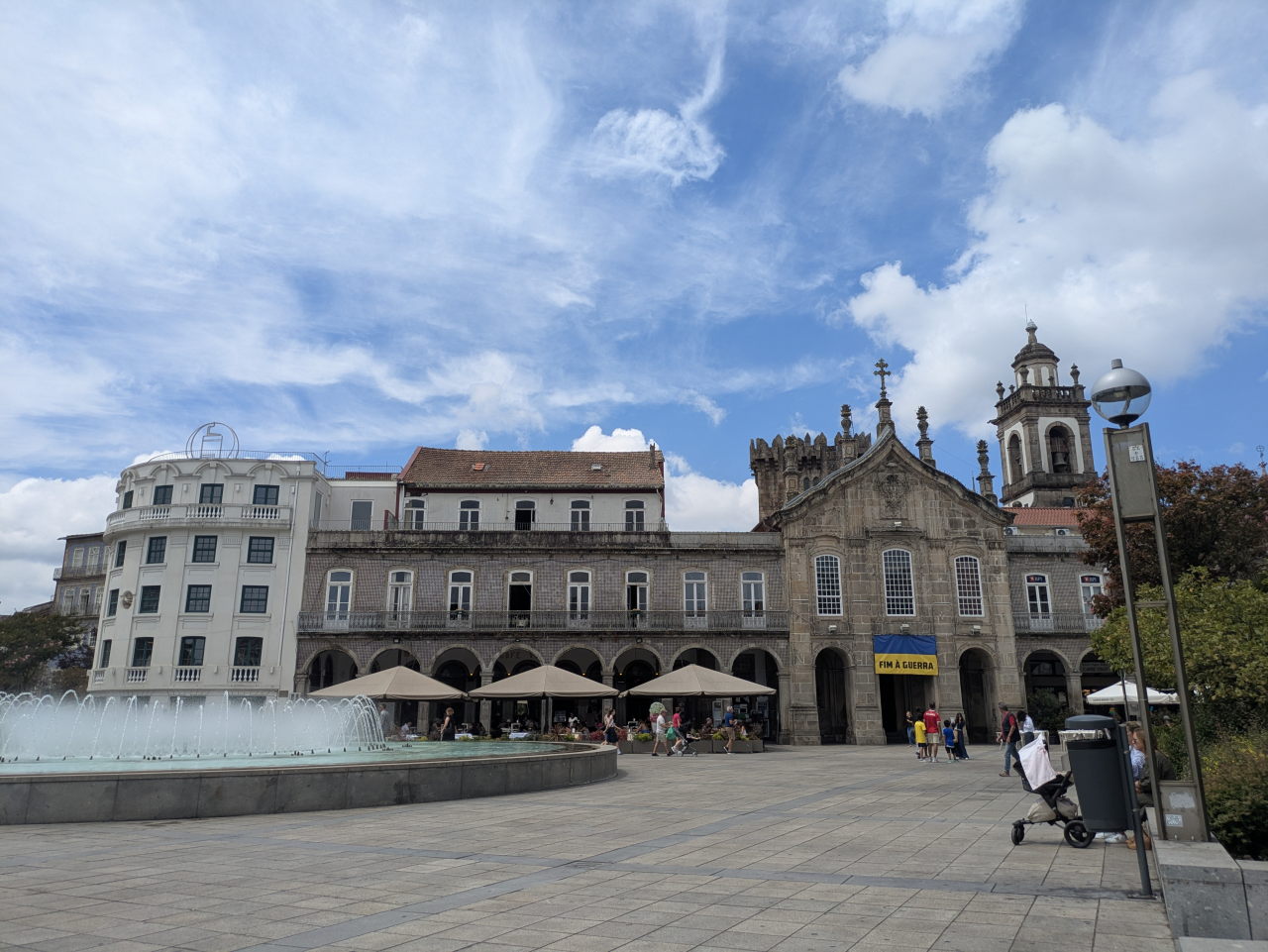
Braga, in the north of Portugal.
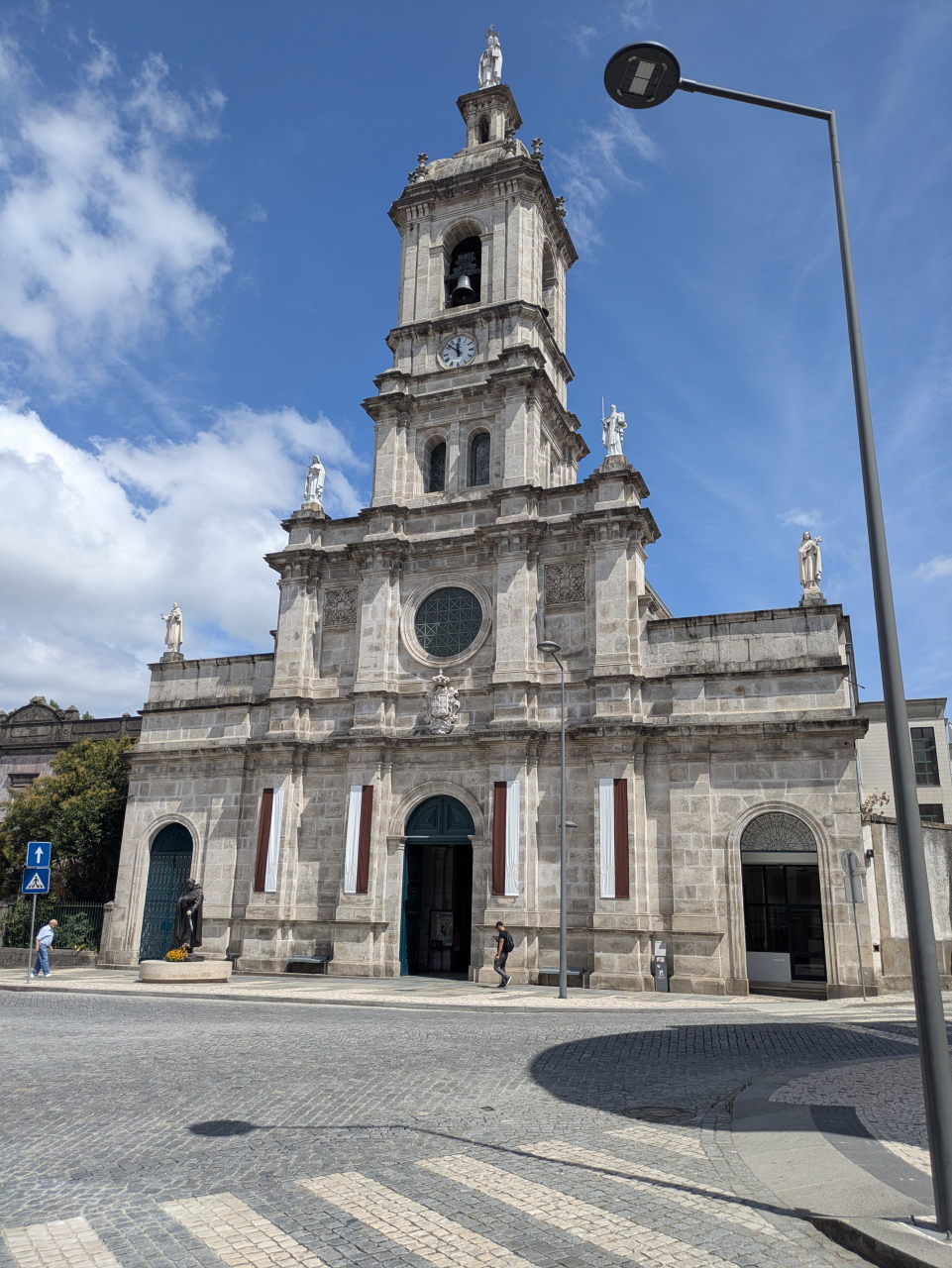
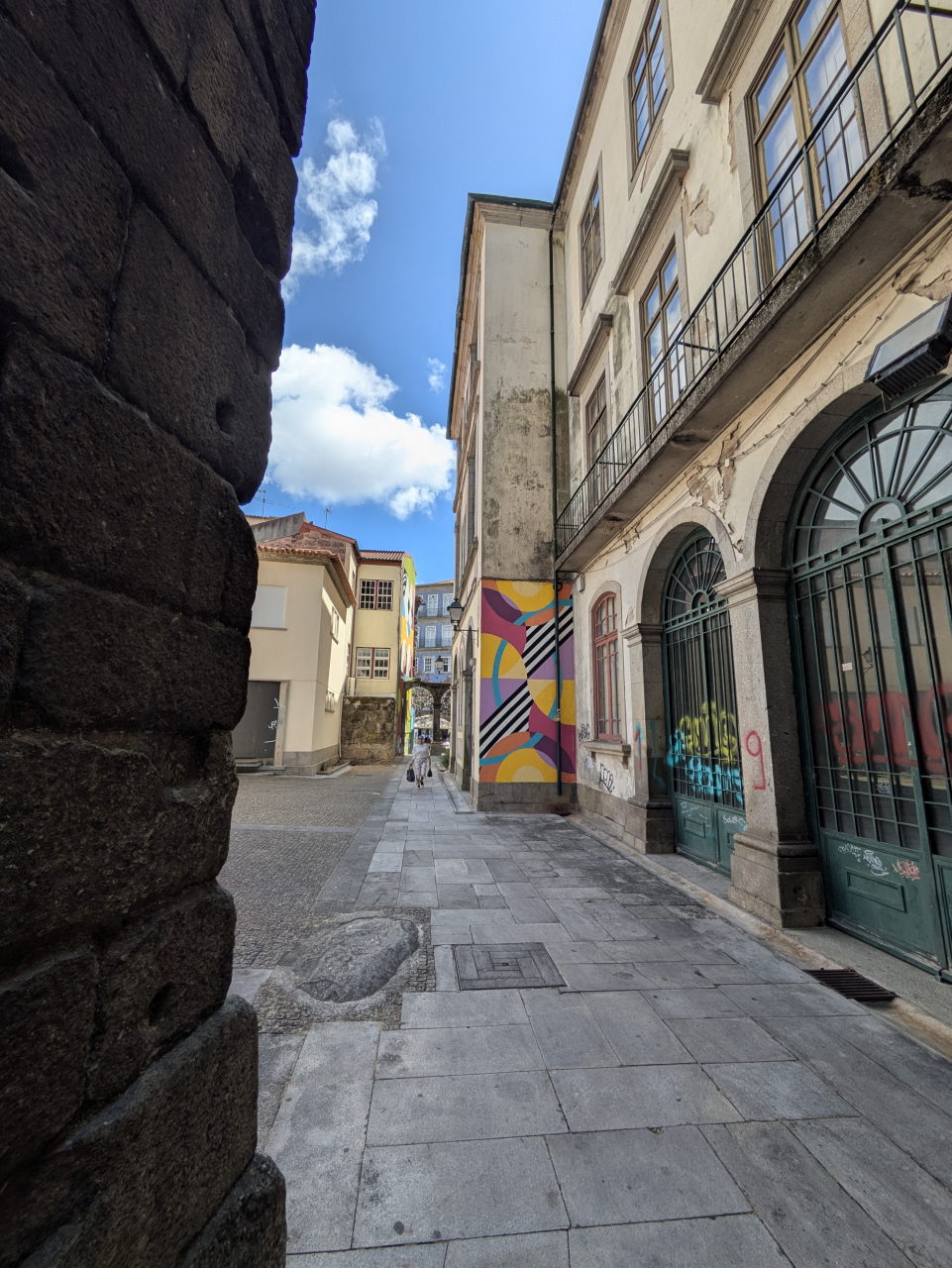
The land was greener, striking after the ochres and browns of the south of Europe. Green meant frequent rain. From now on, the weather would decide where I went.
A last visit to a town, that of Braga in the north of Portugal, a place of Baroque buildings and I forget how many cathedrals. A visit to a friend who lives there, then next day I said goodbye to Portugal. I’d very much liked the country and its people. One day, I hope to go back, but this time by plane or train, to visit Lisbon and Porto.
I slipped across the border to Spain, to camp in a site by the shore of an estuary. The next day, I rode to the end of the world (again), this time to Fisterra, considered by Spain in ancient times to be the end of the earth. It’s where the pilgrims of the “El Camino de Compostela” (St James’ way to the English) end their travels. It was very windy, alternating rain, fog and sun.
It was riding around here, severely buffeted by the wind, blown across the road by trucks overtaking me, tailgated by dangerous drivers in cars, that I knew I would be buying a more powerful motorbike; You’re only safe if you’re a long way in front of everyone else. Or off-road.
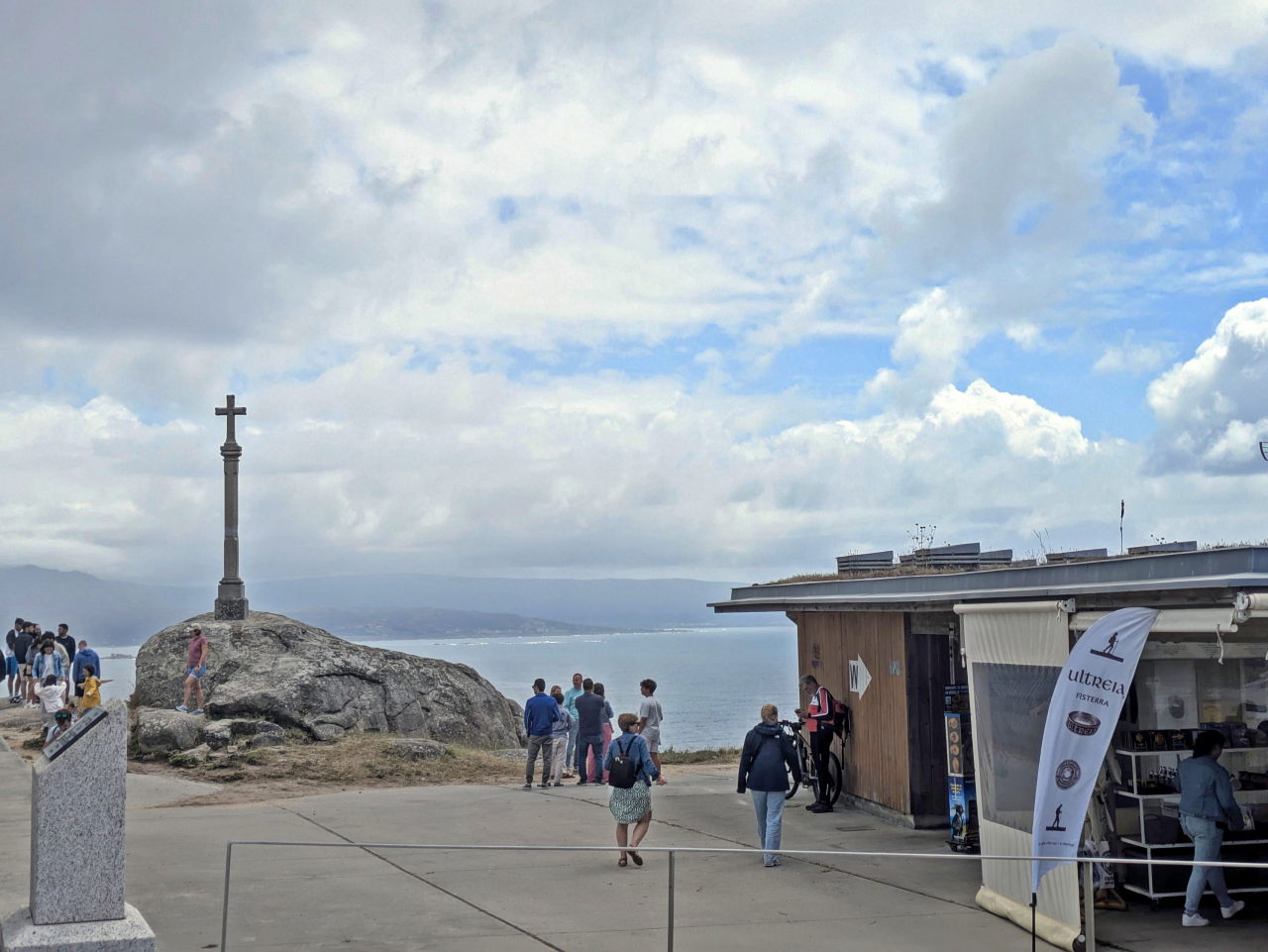
End of St James’s way.
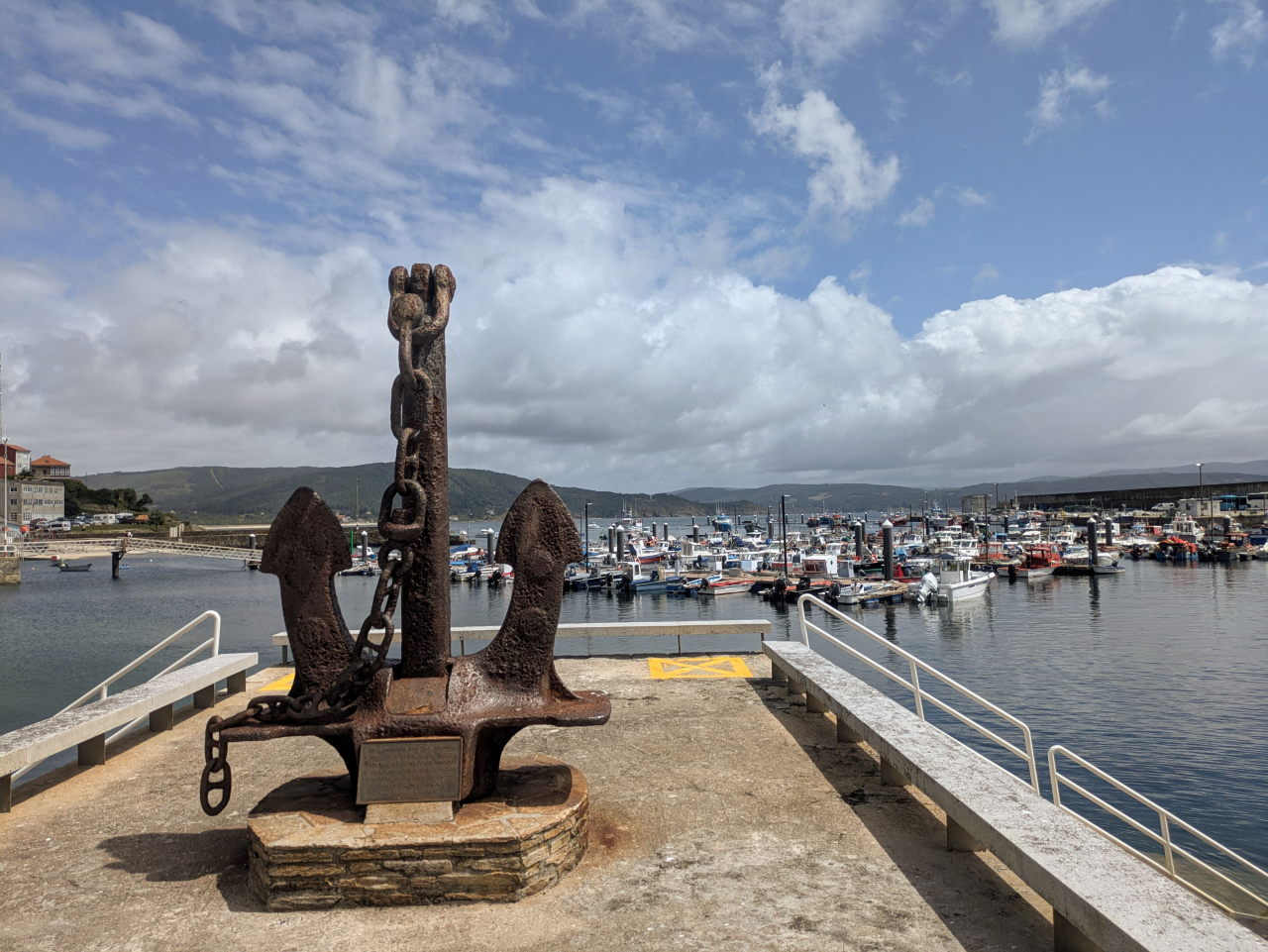
Fisterra Harbour.
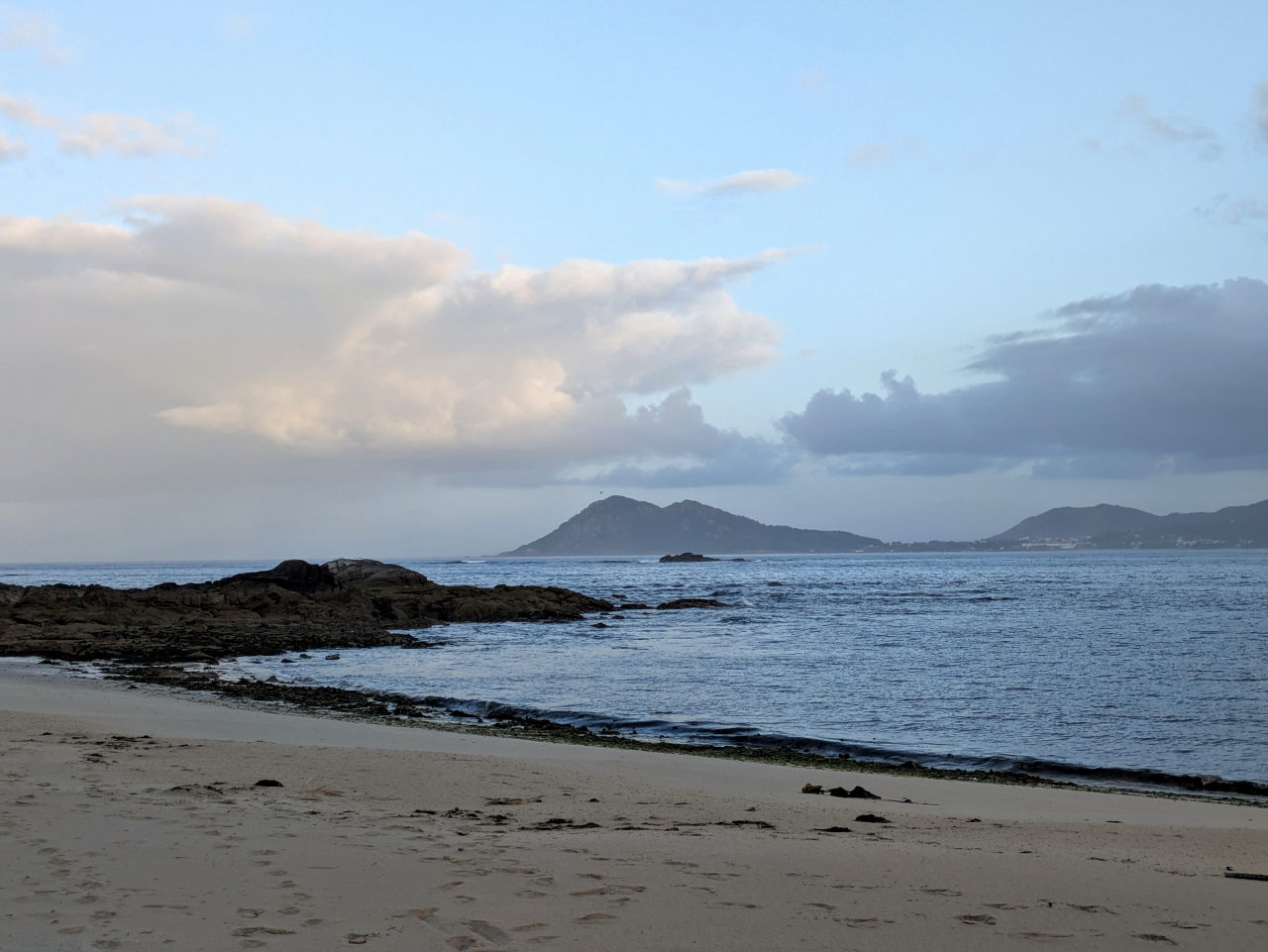
The next morning I had my first breakdown: a flat battery. I was push-started by a kind Englishman and rode to A Coruña to a motorcycle shop to buy a new battery. While there, I checked the weather forecast, one of doom and gloom, a weather front moving in from the Bay of Biscay, threatening heavy wind and a deluge of rain. I ran east, trying to stay ahead of the storm.
I visited a few places along the coast, enough to see that the north coast of Spain is very beautiful. Beaches of rocks and sand, green fields right up to the beach.
The storm was slowly winning the race. I ran east again and again. The rain caught up with me near to Santander, and I decided to make a dash for France.
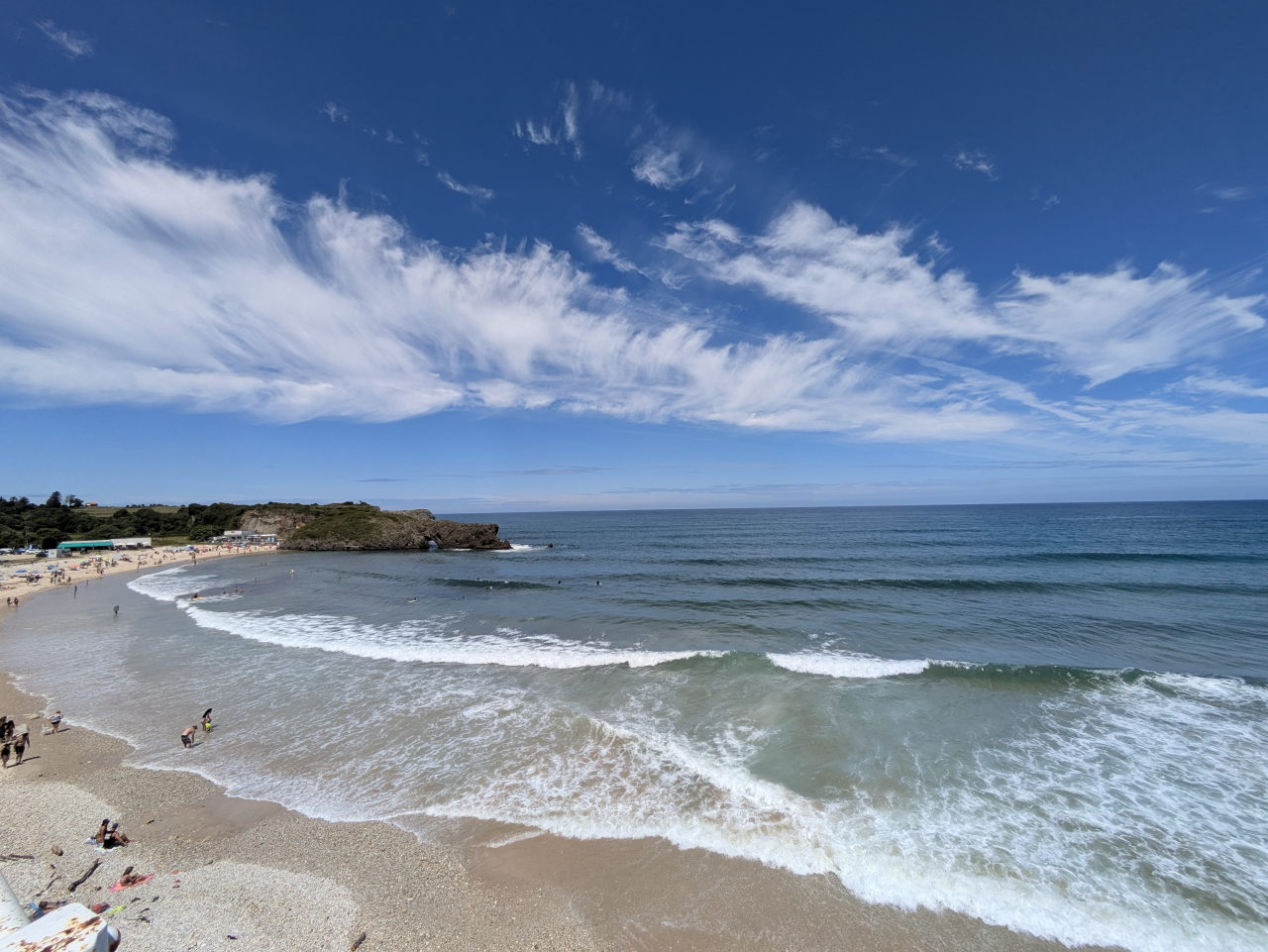
Coast near Santander.
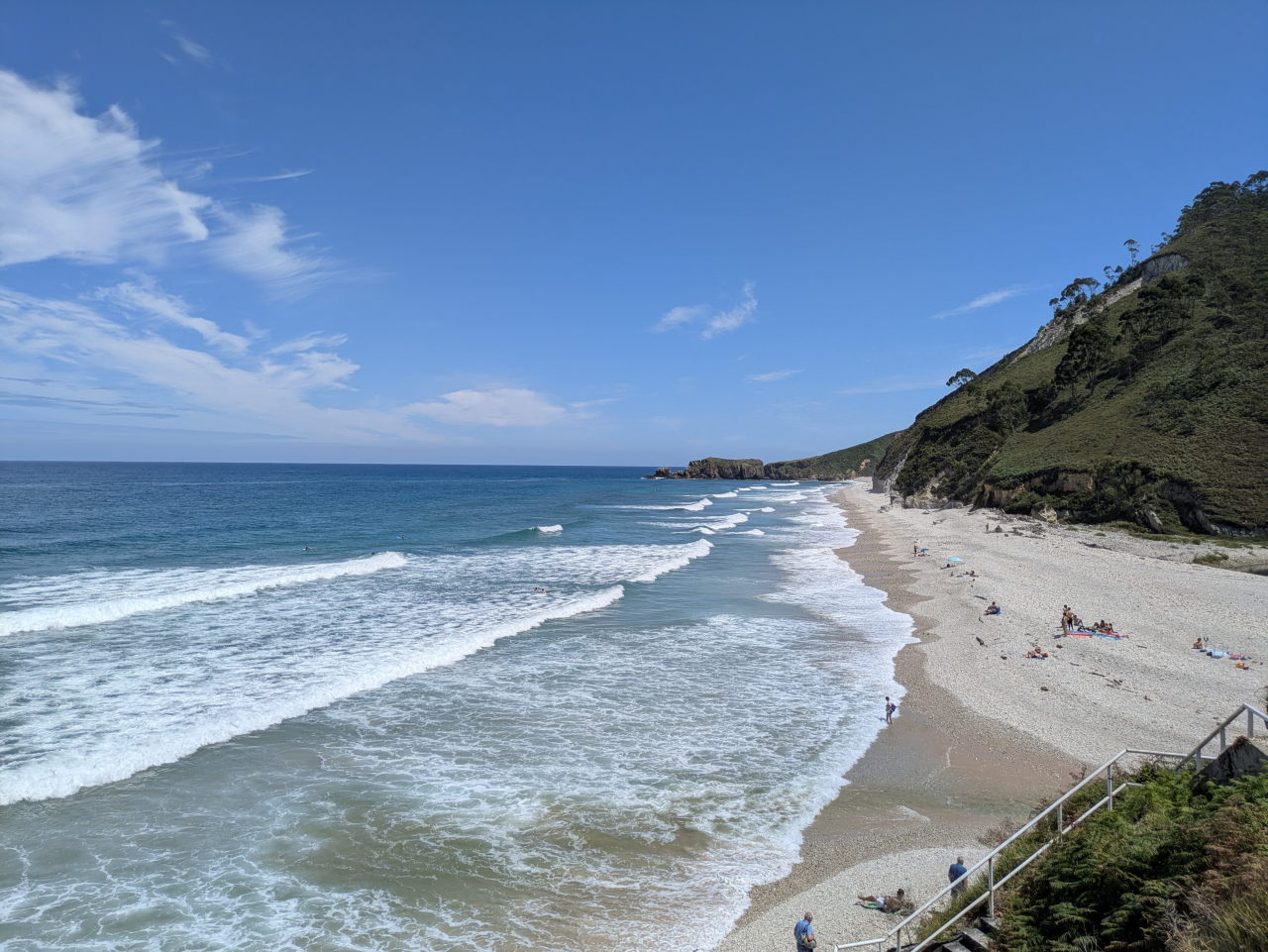
Coast near Santander.
I will never forgive google maps for taking me over an insane road over the Pyrennees. It was raining, dense fog and close to freezing.
The scariest road you can ride on an overloaded motorbike (at least for a beginner like me) is a switchback road up a mountain. You have to take a switchback slowly, but too slow and you fall over. It went on for what seemed hours, but in reality was ninety minutes. Cars suddenly appeared out of the fog, in the middle of the road, pushing me against the low stone wall at the side. I was shivering with cold when the fog suddenly cleared and I could see the dizzying drop just behind the low wall.
Fortunately, even if the view terrified me, I was nearly at the top of the climb and the drive across the plateau before the descent towards France, although cold, was at least easy. This is how I learned that, in spite of GPS and Google maps, it’s best to still have a paper map, so as to have an overview of where google is trying to take you.
I had a scary experience in Portugal. Riding along a perfectly nice secondary road the google maps voice told me to turn left, and, like a fool, I obeyed. The road went downhill, steeper and steeper, narrower and narrower, until I found myself riding through tiny abandoned villages, before going back uphill, on a road so steep I had to slip the clutch to not stall the engine. There was another near-empty village, the road three metres wide, a herd of goats running in front and a big, growling dog biting the heel of my left boot. I swore that never again would I blindly obey, and many times after that, Google would tell me to turn right or left in that horrifically confident voice, to which I would answer “Fuck you”, and ride on.
I intended to visit a friend in La Rochelle, but I discovered my second problem with the motorbike:
The tread on the rear tyre which looked fine three days before had disappeared. It was worryingly bald and I began making phone calls to motorcycle shops to find a replacement tyre. I couldn’t find anything heading towards La Rochelle, not even at Bordeaux. Apparently, most motorbikes use an eighteen-inch rear tyre and mine used a seventeen-inch (rarity since disproven). Finally, a shop who asked a friend of a friend of a friend said they had the right tyre in Agen and I set off in that direction.
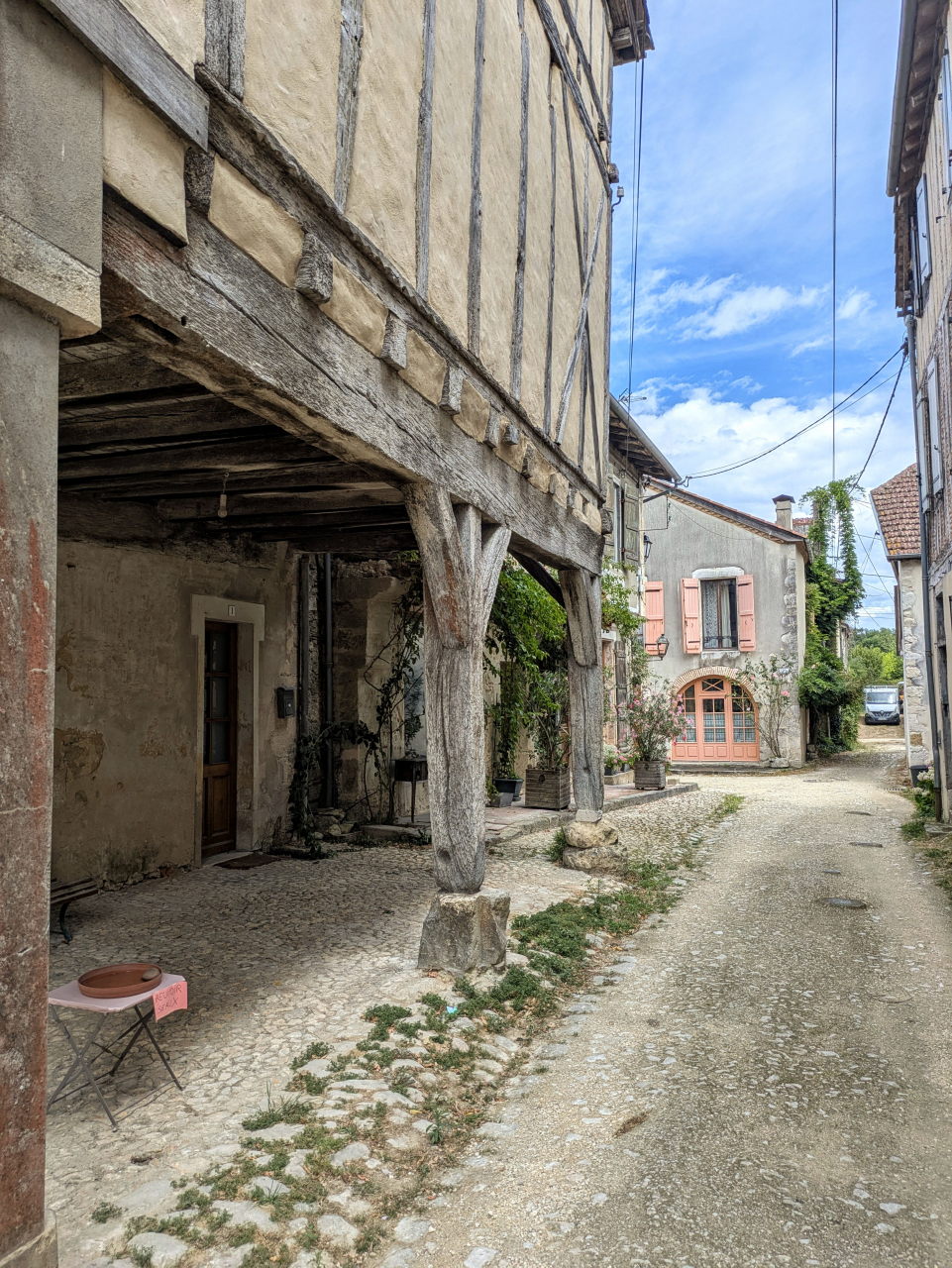
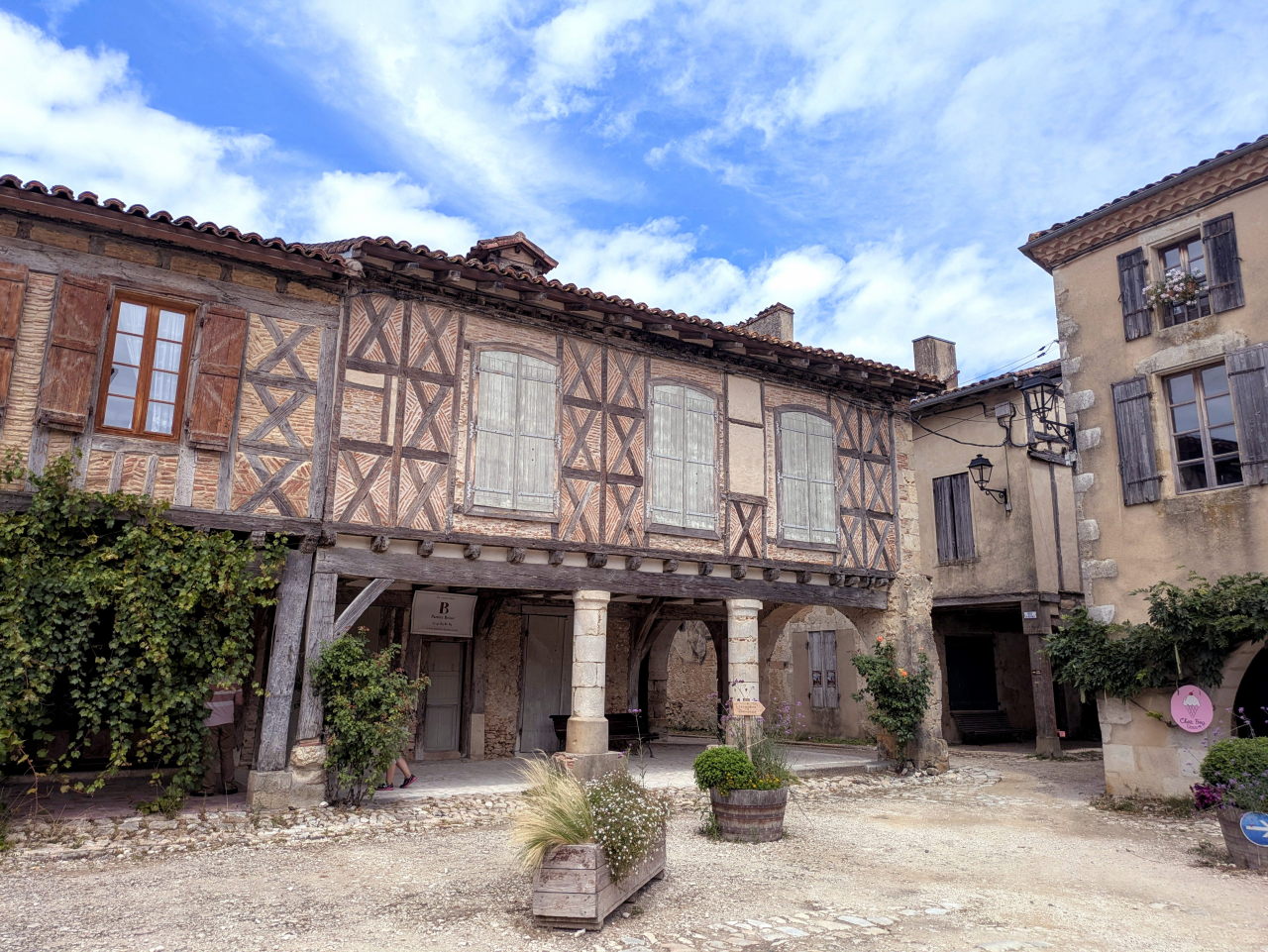
On my way, I stopped in a nice-looking village – “Labastide d’Armagnac” – with a beautiful manor house and, after reading a sign, walked into the village centre to visit “La place Royale”, which was the economic and mercantile centre of the village. Interestingly, after Eleanor d’Aquitaine married Henry Plantagenet, Gascony became English! There I was, an Englishman, quite by chance in a French village founded by another (more illustrious) Englishman in 1291.
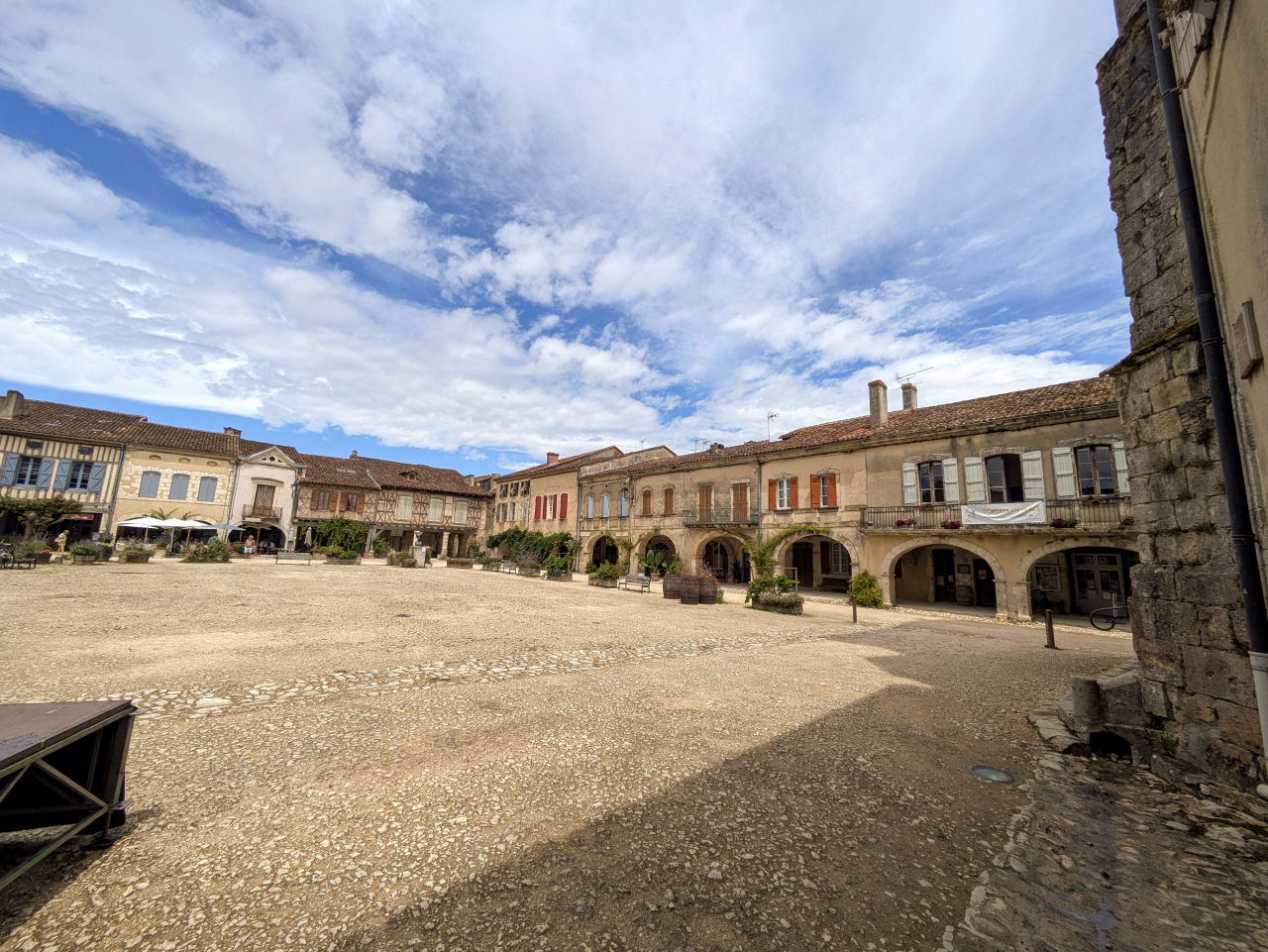
La Place Royale, Labastide d’Armagnac.
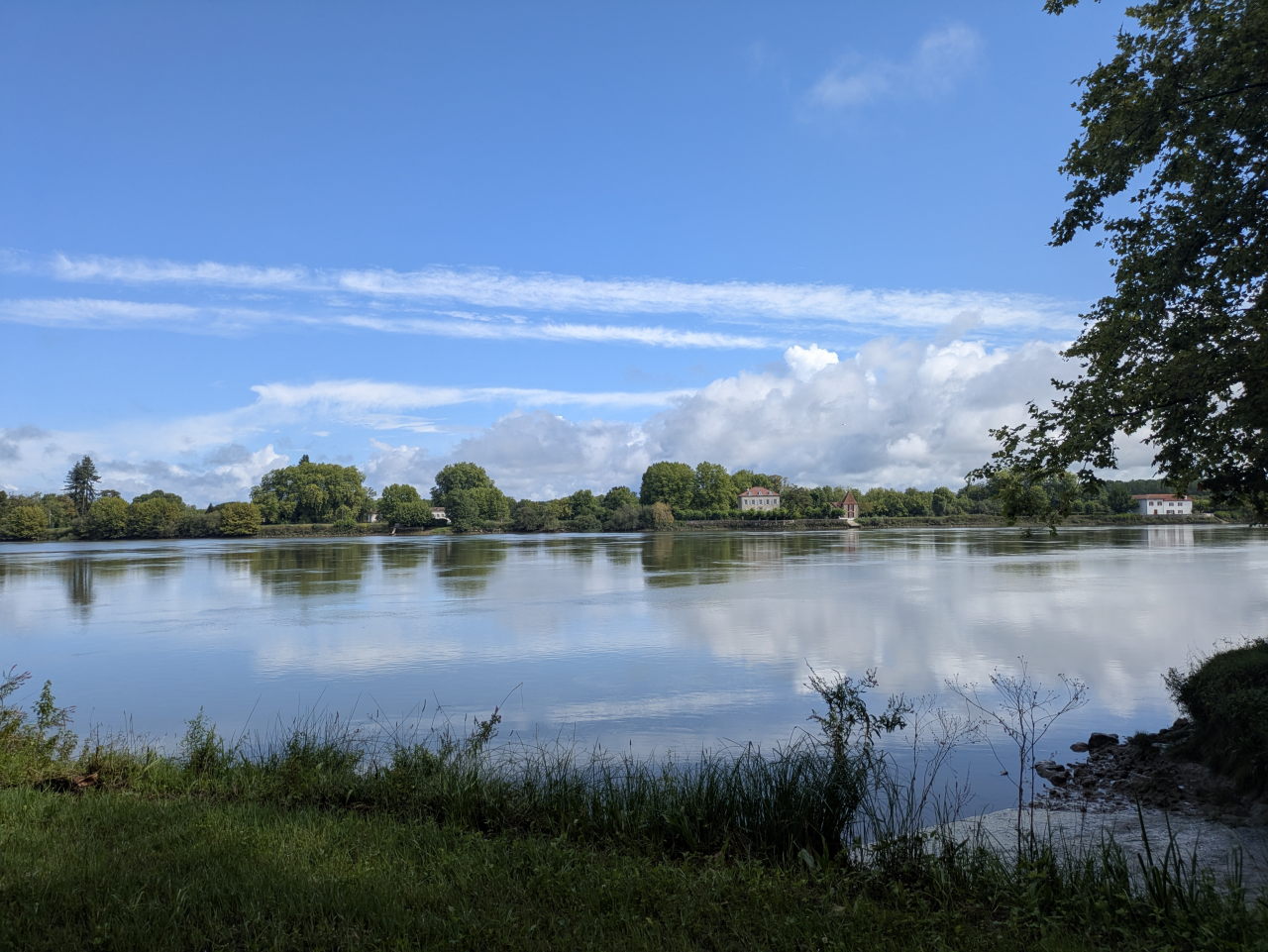
The beautiful river Adour.
I rode on, rode until I reached the town of Condom. Condom was a fairly quaint old town, but its claim to fame to anyone English, is that “Condom” is the name we use for the latex contraceptive. When English friends ask me what it was like, I tell them: “Very protective.”
Agen was a disappointment. The tyre wasn’t the one I needed, so I gave up worrying about it and just avoided places where anyone might notice the bald tyre. I was worried too about the rain starting again; I’d had 4 nights of wet camping (not wet inside the tent, yay Decathlon!)
I meandered my way through south-west France, through beautiful countryside and ancient villages. Through the French departments of the Lot (Beautiful river), Aveyron, Cantal (so beautiful), Haute-Loire, back to the Lozère, then into Ardèche. I finally got my new tyres (by now the front was bald too) in Aubenas.
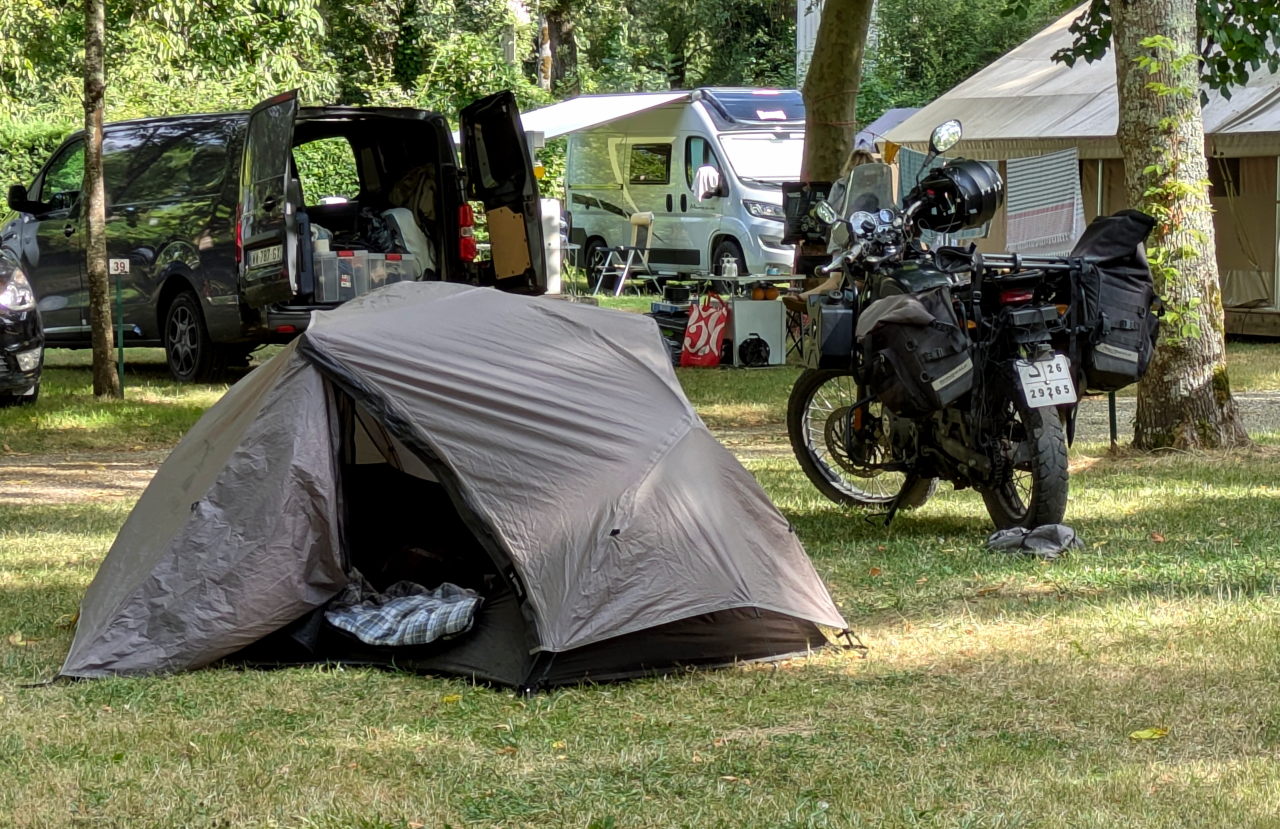
Campsite at Condom
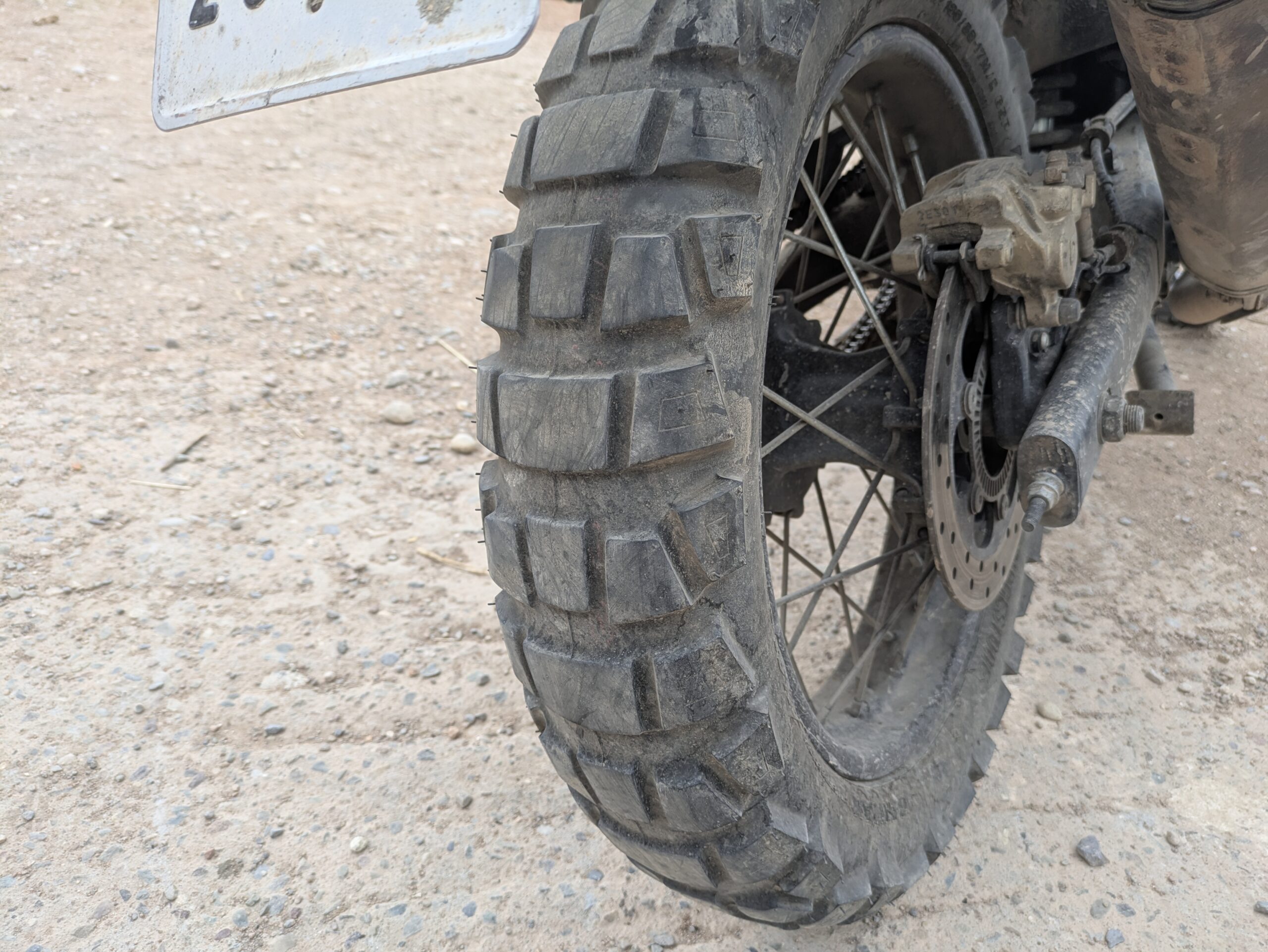
Kali’s new shoes (admittedly, a bit worn, the photo was later that year).
I felt quite proud riding along my fully legal bike. Of course, when you want a gendarme to see how legal it is, there are none to be found!
I left the Ardèche, heading for Switzerland, intending to sleep a night somewhere along the way, but it’s as if the motorcycle could smell her stable: I rode on and on. And on again. Thirteen hours later, at nine thirty at night I arrived home.
One month of travelling, seven thousand, five hundred kilometres, three hotels, one battery, two tyres. So many people and places, smiles from people who like the Himalayan motorcycle, other bikers that stop and chat, Moroccans who see the number plates, bikers who stop to ask if you’re OK when you stop to read a map. A vast wealth of images and human contact. All of the riding was done on small roads. No motorways at all.
It’s addictive. After three days at home, I was thinking of being back on the road. I’ll write about that soon.
0 Comments