Voyage to my roots in England 2026
Back in 2024, when I decided to learn to ride a motorbike, it was for a specific reason : I’d spent November, alone in Bab El Atlas in Morocco, working on my family tree. With the help of the internet and a DNA test, I’d gone from not even knowing the name of my paternal grandfather, to discovering origins from, amongst other places, Denmark.
Before going so far back (1150!), I learnt the names of many small villages, mainly in Wiltshire, but also some in Somerset. I wondered what they were like. The idea came to me to visit all these villages. Added to the ones I’d learned of in my Mum’s family tree, there were an awful lot of places to visit, which would be far outside my budget, if I were to fly to the UK and rent a car.
The idea fused : I would learn to ride a motorbike, travel with it, and camp my way around Wiltshire.
So, after my travels last year in Morocco, Portugal, Spain and Switzerland, I sold my Royal Enfield Himalayan and bought a more powerful Voge 900 (A Chinese BMW) and this year, set off from Bab El Atlas (Our guest house in Morocco) at 4h30 in the morning on the 29th of July. The new bike has much better lights, otherwise I would have waited for daylight.
By 10h30 I was already on the north side of Marrakesh, which is what I was trying to do, so as to avoid the worst of the city traffic. I took the road towards Khourigba and Tangiers.
It was a long (965km) and tiring ride to Tangiers. The final two hours were riding in strong crosswinds along the coast and steadily climbing temperatures. In the last hour on the road, it was 39°C.
I reached Tanger Med (That’s the port, not the town) and spent a night in a cheap hotel overlooking the port. I bought my boat ticket that evening from a ticket office one minute’s walk from the hotel, before hurrying back to the air conditioning!
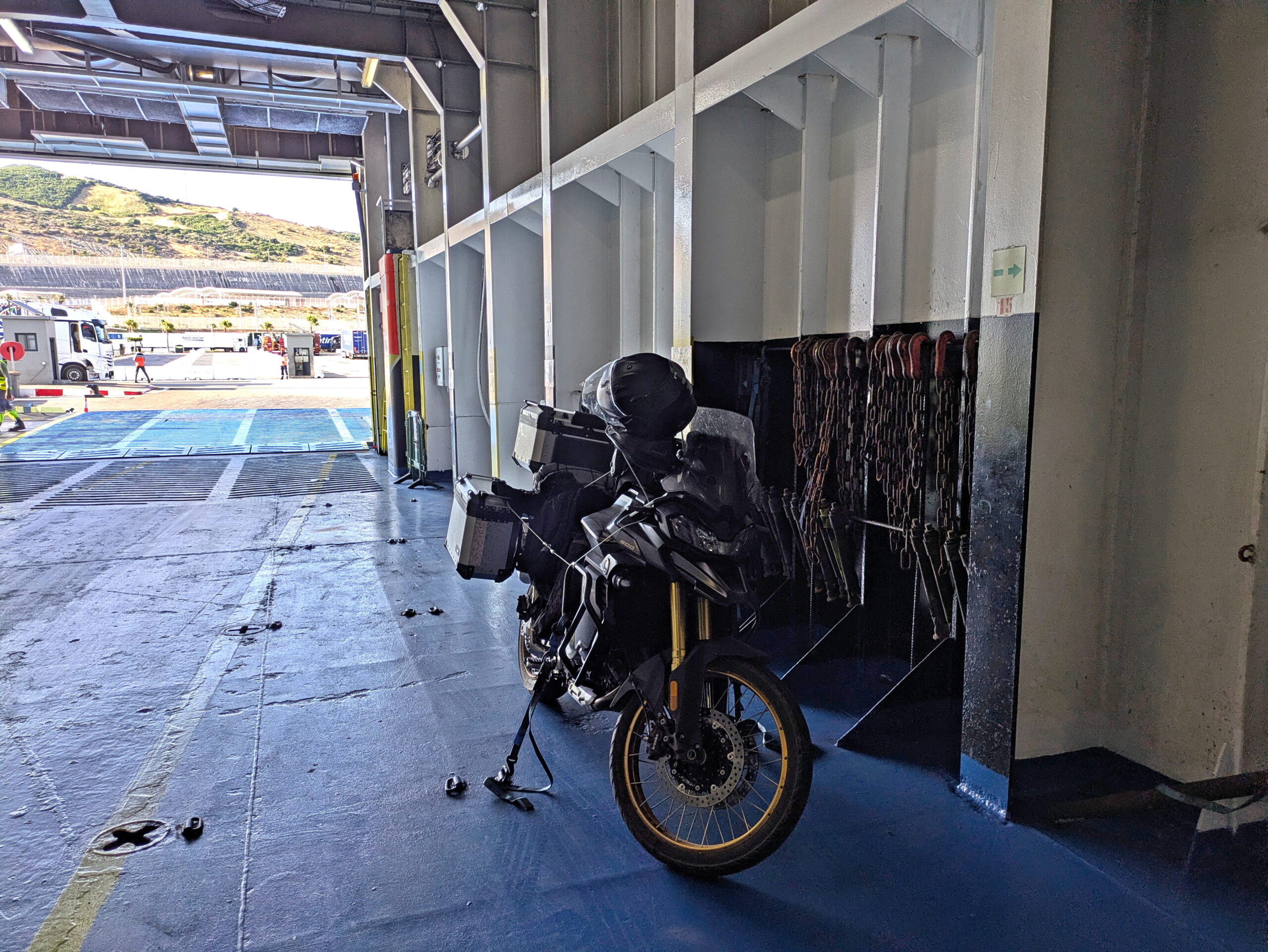
The next morning at 8 a.m., I rode the bike onboard the ferry and parked it where the crew told me to. I tied it down with straps. 90 minutes later, I disembarked. At the border control, I offered my Swiss passport. I was told to wait. They walked off, and I worried. When they came back, it was with a Swiss customs officer, happy to greet his first-ever Swiss in Algeciras! I entered Spain with no complications.
Taking the coast road (not a toll road, but a dual carriageway), I rode for a few hours until I started to tire. I booked a hotel at Roquetas del Mar, 320 km away, near Alméria.
The road from the highway to the town went through thousands of acres of plastic greenhouses and almost nothing else, except for one low, brick-built building with a sign proclaiming it was a flamenco school. The only people I saw were on electric scooters and all were sub-Saharan Africans. This is where your supermarket strawberries and tomatoes come from.
The rest of Spain was a repeat of the first day : Very hot, very strong winds. I was certain it was going to burn and burn it did. By the time I reached Switzerland three days later, much of the Andalusian mountains seemed to be burning.
After a few weeks rest and family visits in Switzerland, I set off again, this time through the Swiss and then French Jura mountains, heading north, aiming for Reims. I didn’t quite reach Reims on the first day, but spent a quiet night in a campsite on the ramparts of Langres,a beautifully-preserved, walled, medieval city. Next day I rode vaguely towards Calais, heading a little further east and following the Belgian border to avoid rain. and finally taking the Dover boat from Calais the next day after a night in a hotel at St Omer.
Entering the UK was straightforward. I headed west from Dover in a heavy drizzle and stopped to put on a rain suit. The rain was heavy at times, but I was pretty dry inside the rain gear. Just damp feet and hands. I tried to use secondary roads as much as I could. Motorways are boring on a motorbike. The state of the roads was terrible. Not so much with potholes, but many UK roads have had trenches dug out, presumable for water pipes, then badly filled in. The “crack” between the original tarmac and the repair acts like tramlines on a motorbike and can be pretty scary.
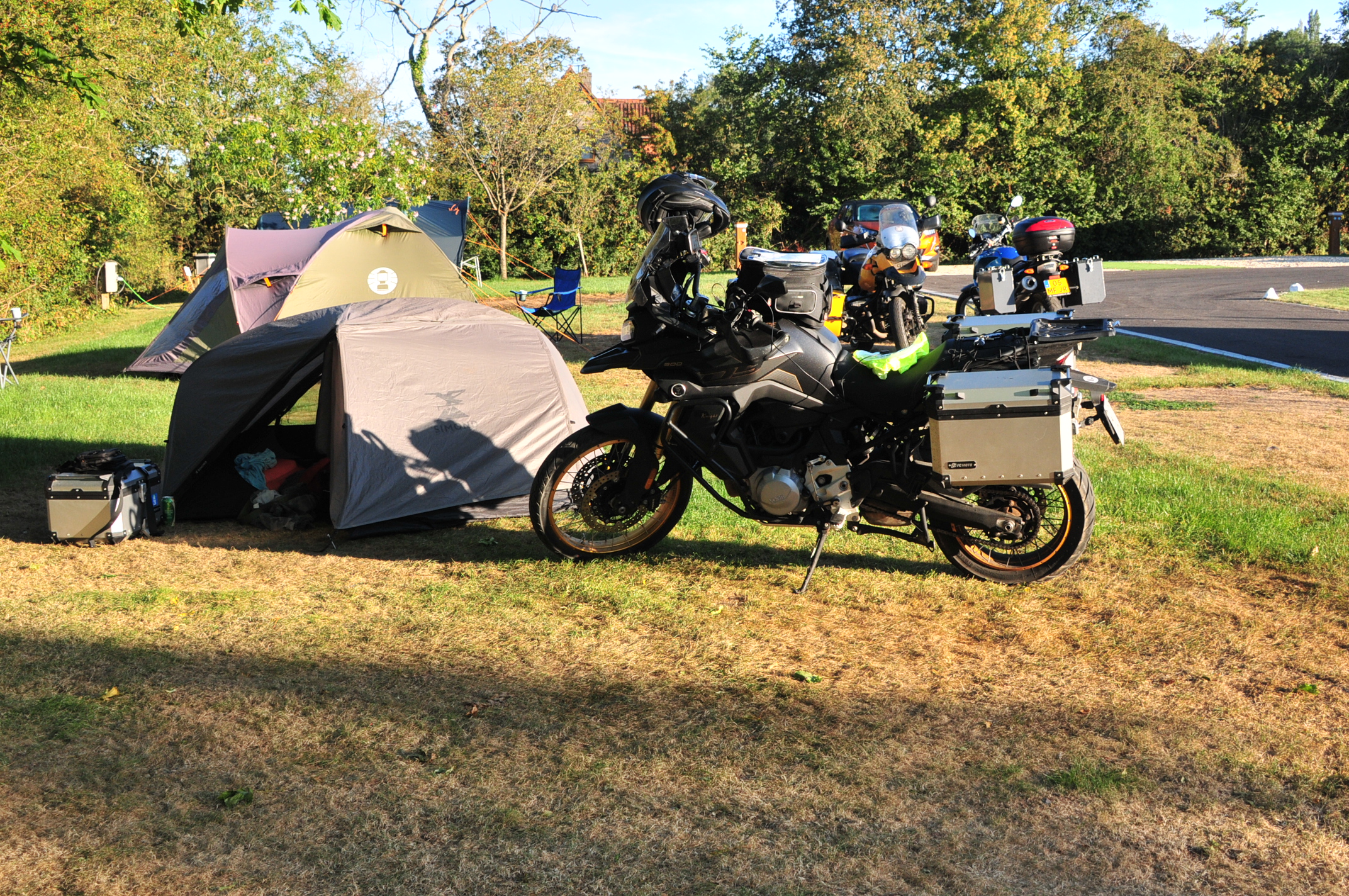
I crossed from east to west, north of Hastings and slept in a camp site at Battle, where William and Harold slugged it out. The camp site gave me my first two surprises in England : The high prices of camping compared to Europe and the awful cellphone coverage, which makes planning routes and stops a bit complicated !
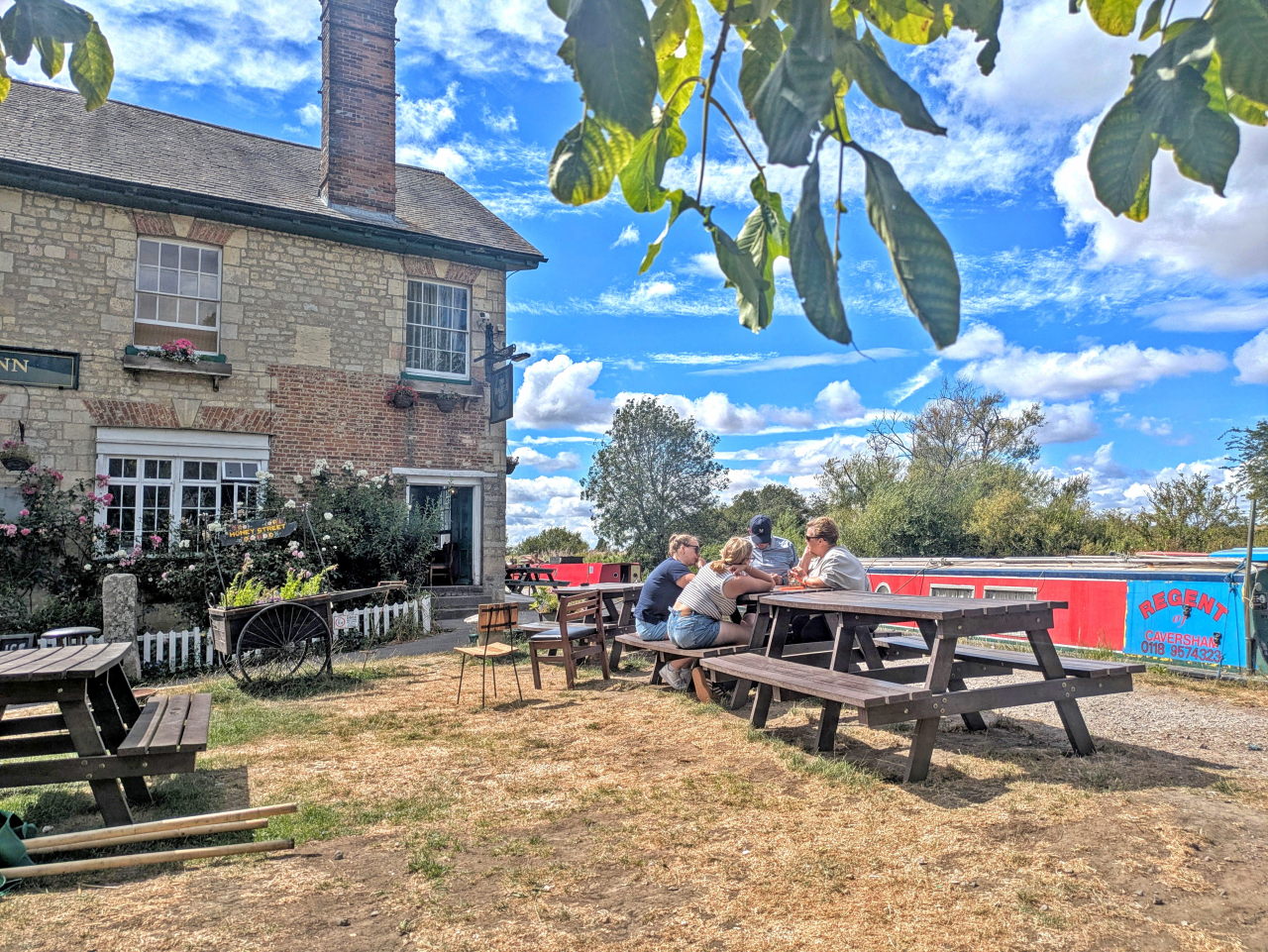
After another day’s riding, I arrived in Wiltshire, near to a place called Pewsey. I found a pub with a campsite in the fields behind. This was a very quiet campsite, few people and even a pub for food and drinks ! I made this my base in Wiltshire.
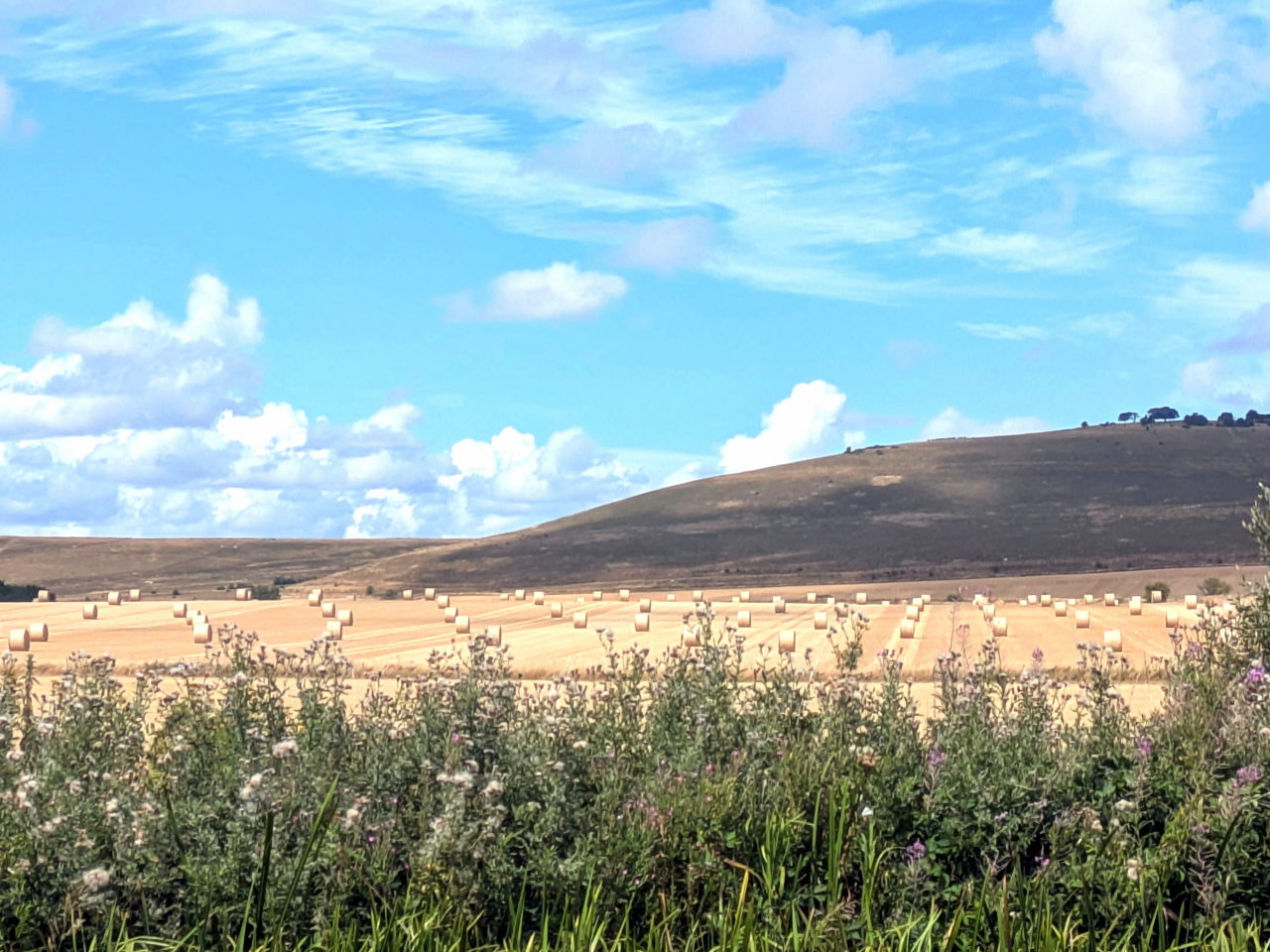
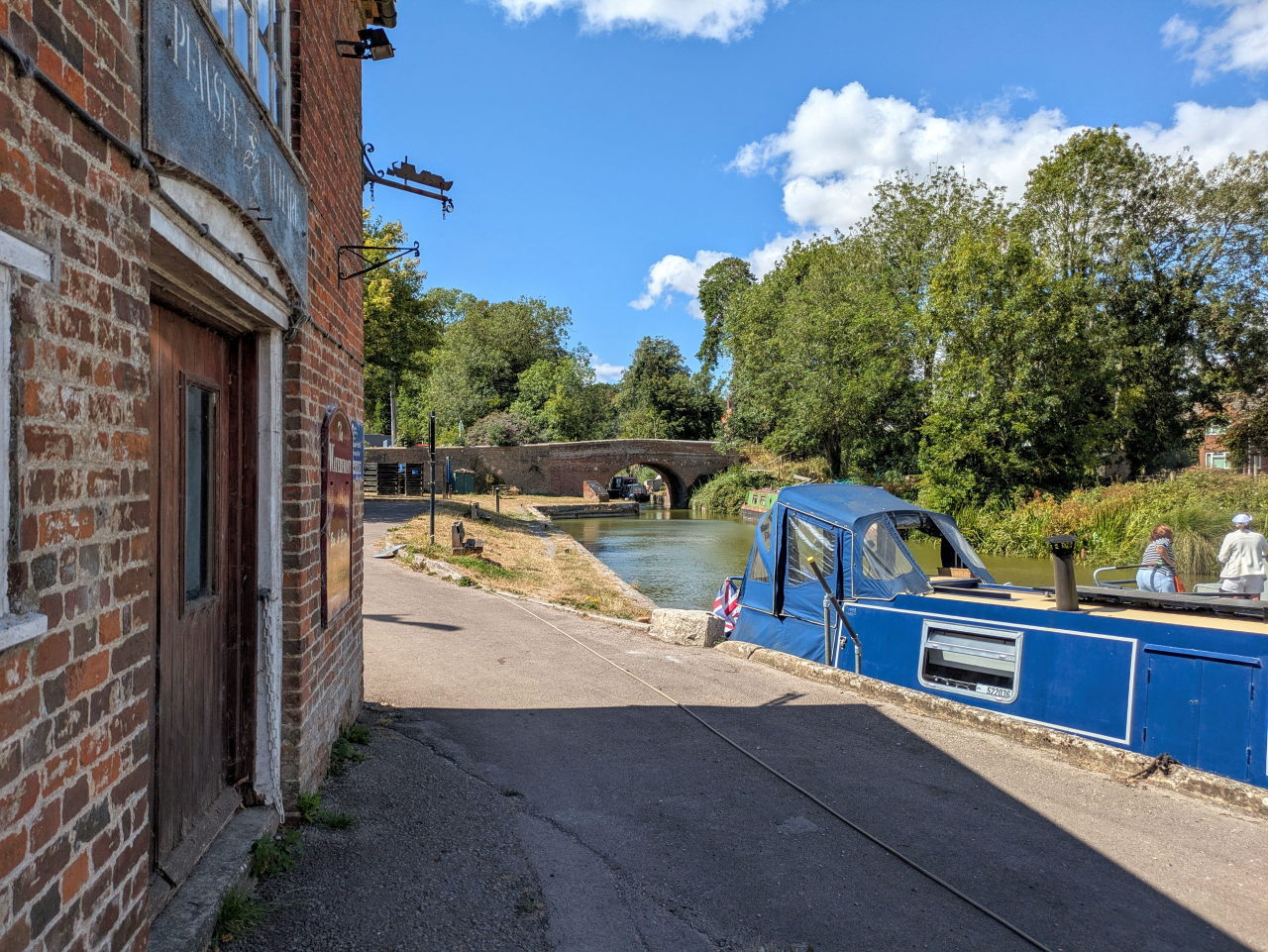
The very next day, leaving the tent and side cases behind (The motorbike feels so light without all that!) I started exploring « The family » villages :
Winterbourne
Great Durnford
Dinton
Teffont Magna
Tisbury
Hindon
Boyton
Heytesbury
Warminster
Chiseldon
Swindon
Avebury
Wincanton (Somerset)
Milborne Port (Somerset)
I was looking for nothing specific; just a « feel » for the villages. I visited churchyards and churches, wandered around streets and just contemplated, thinking how little had changed in these places since the days when my ancestors lived.
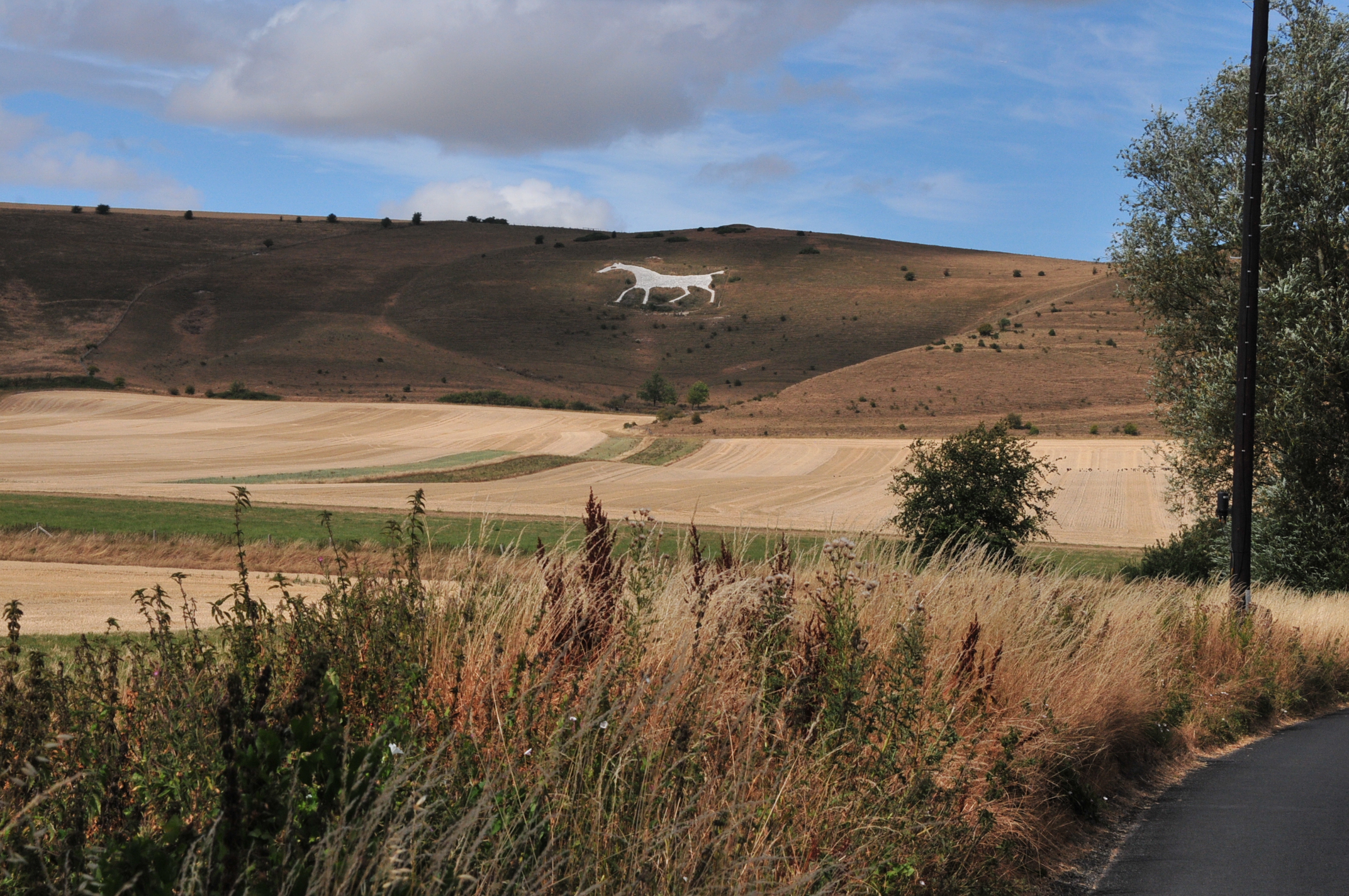
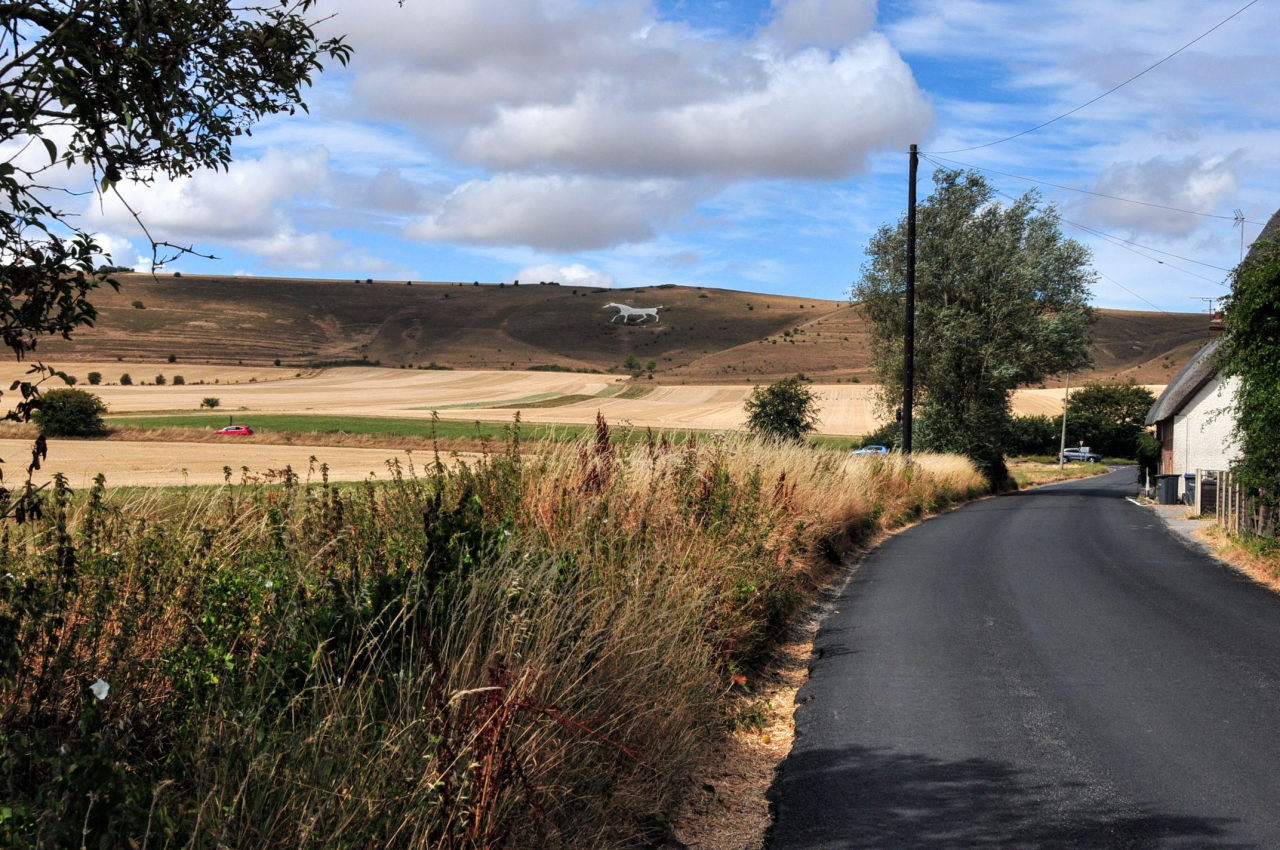
The Pewsey White Horse
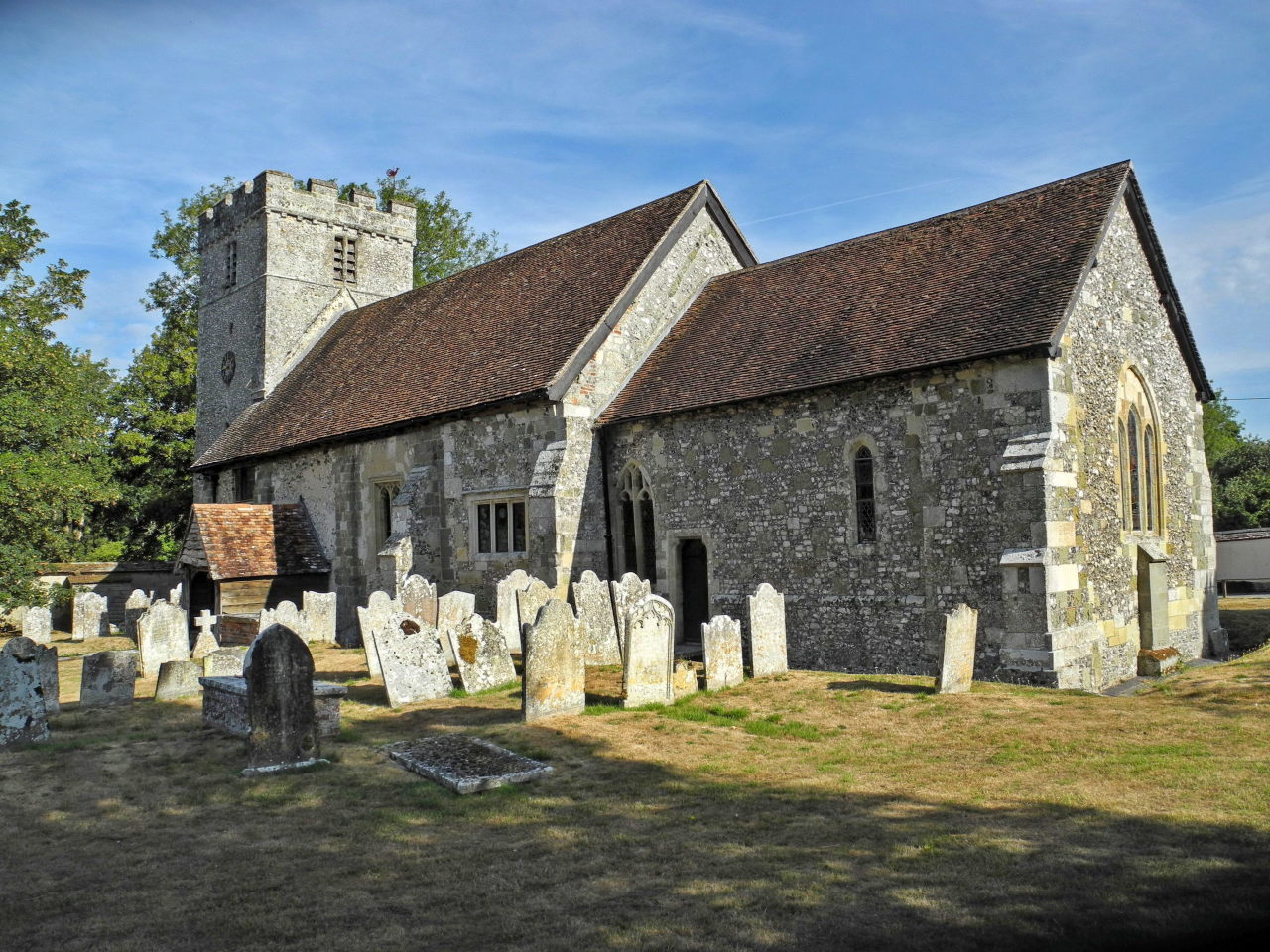
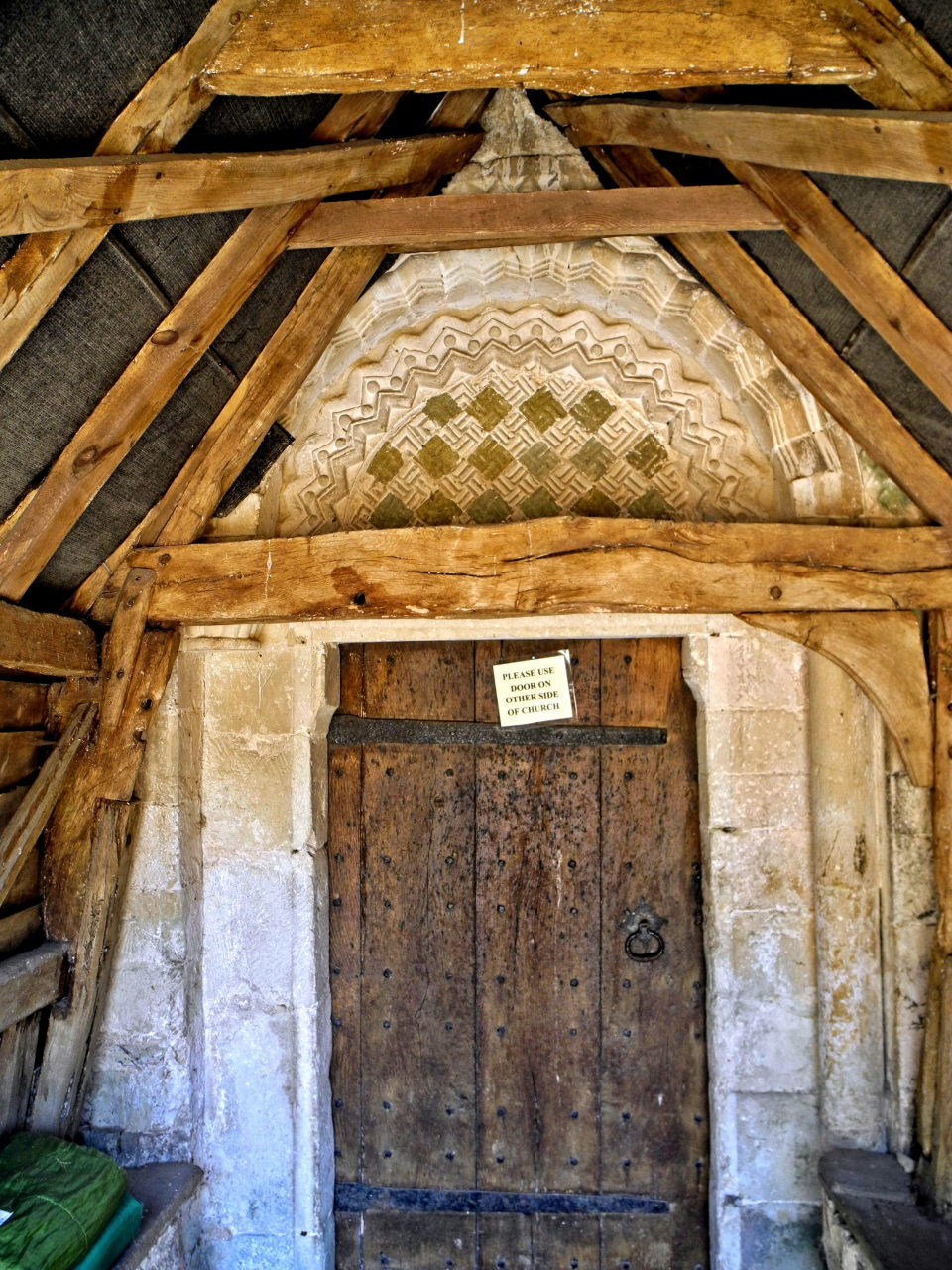
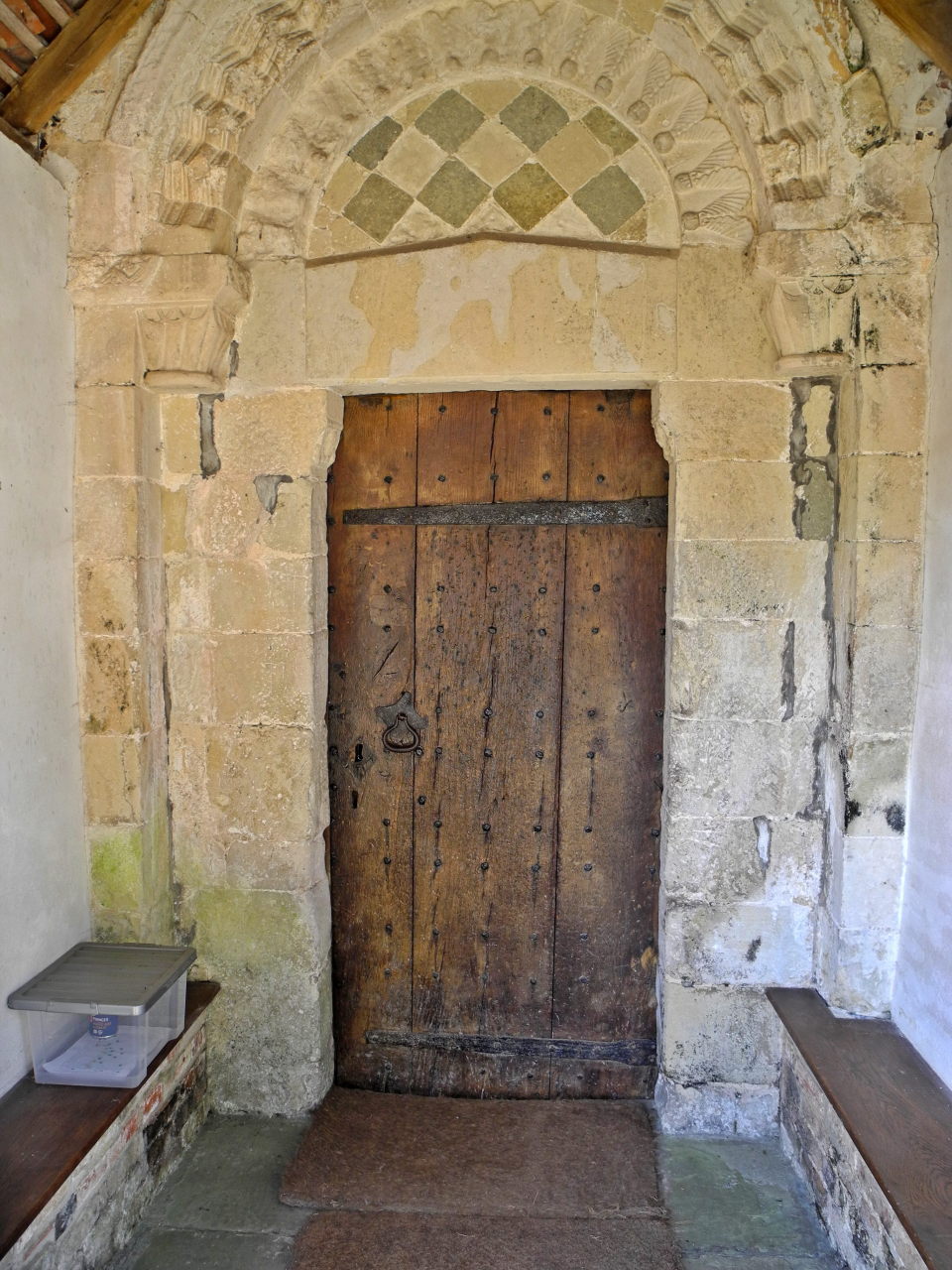
The Church in Teffont Magna
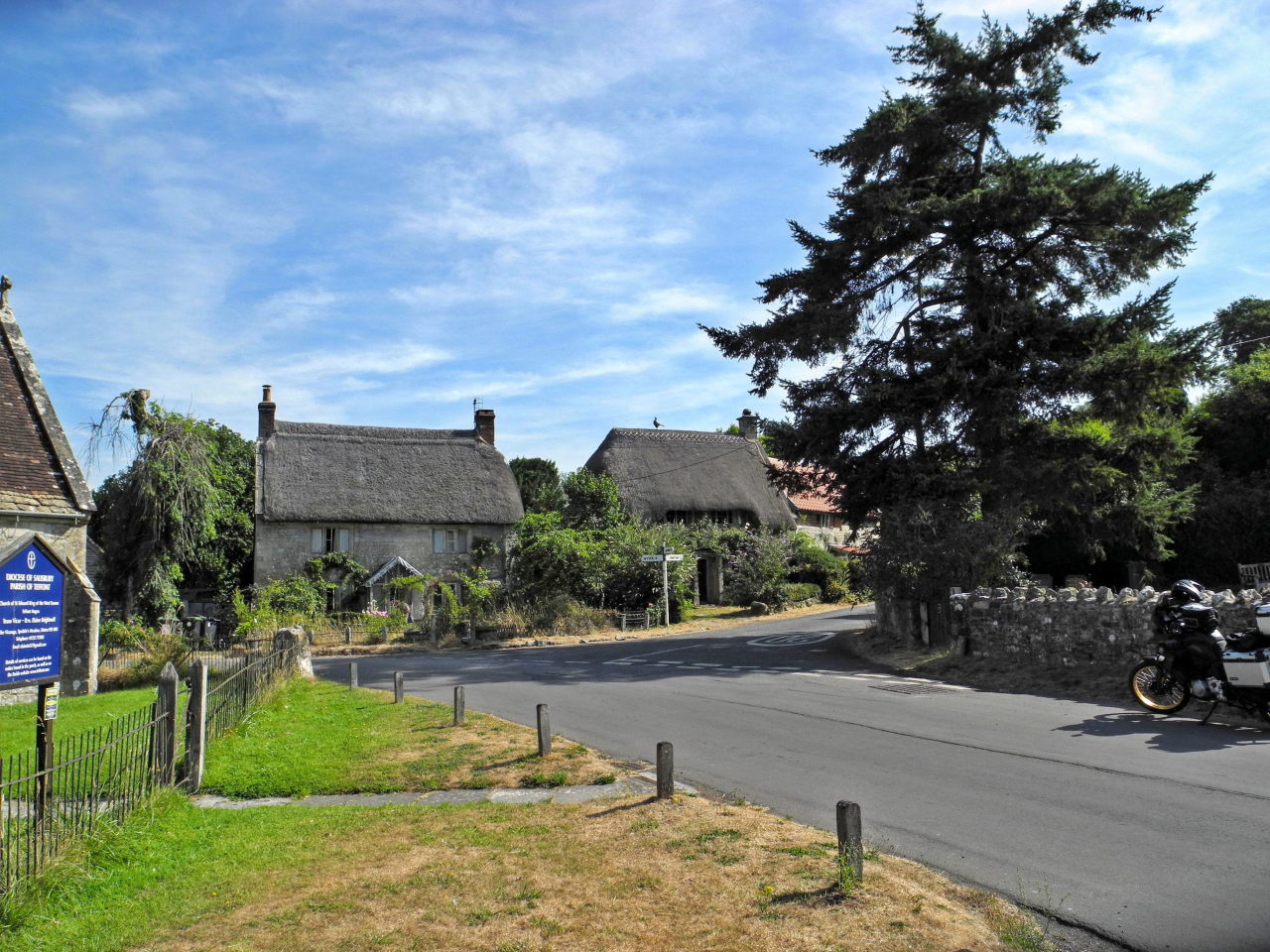
The turning for Dinton
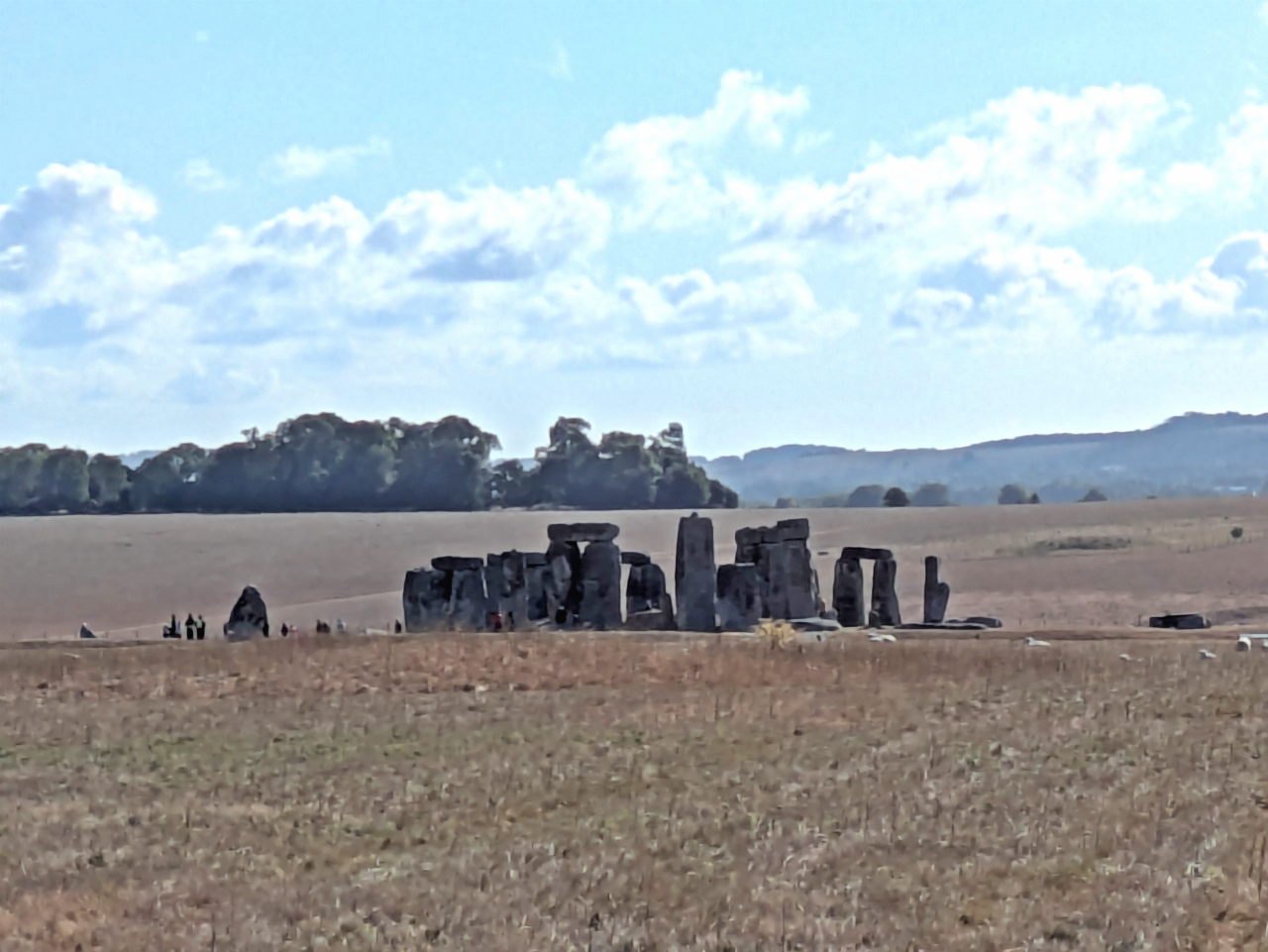
Stonehenge
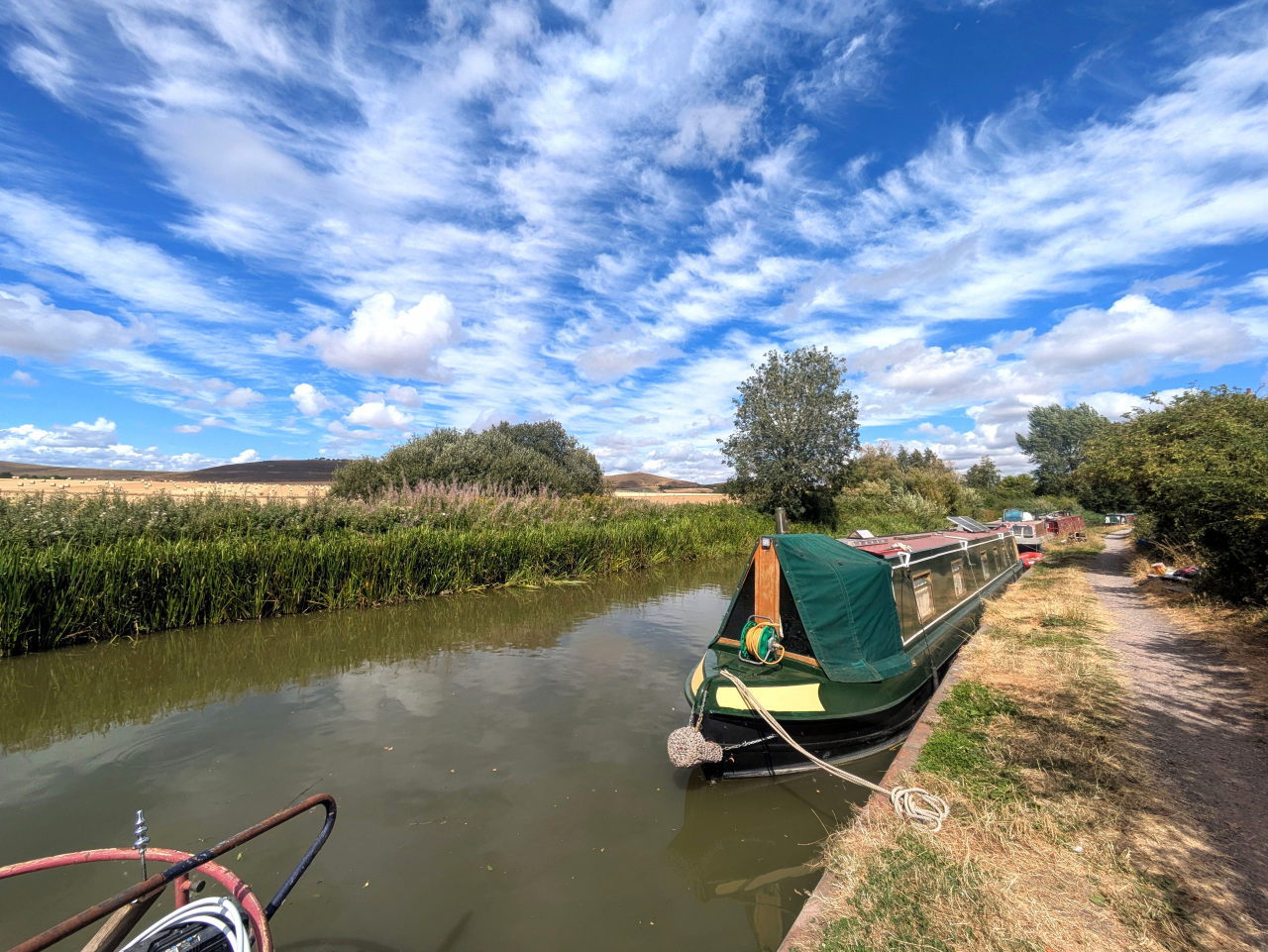
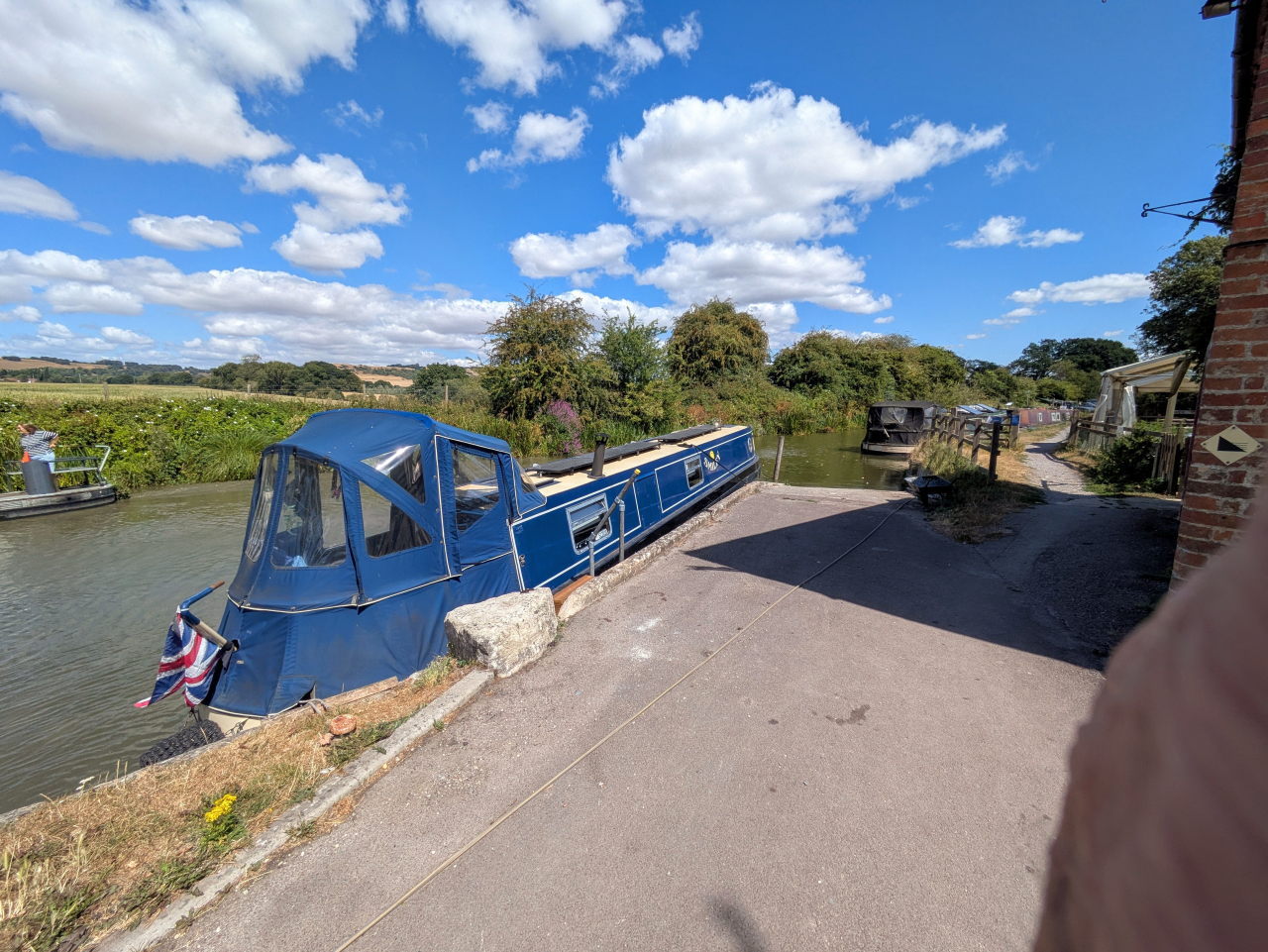
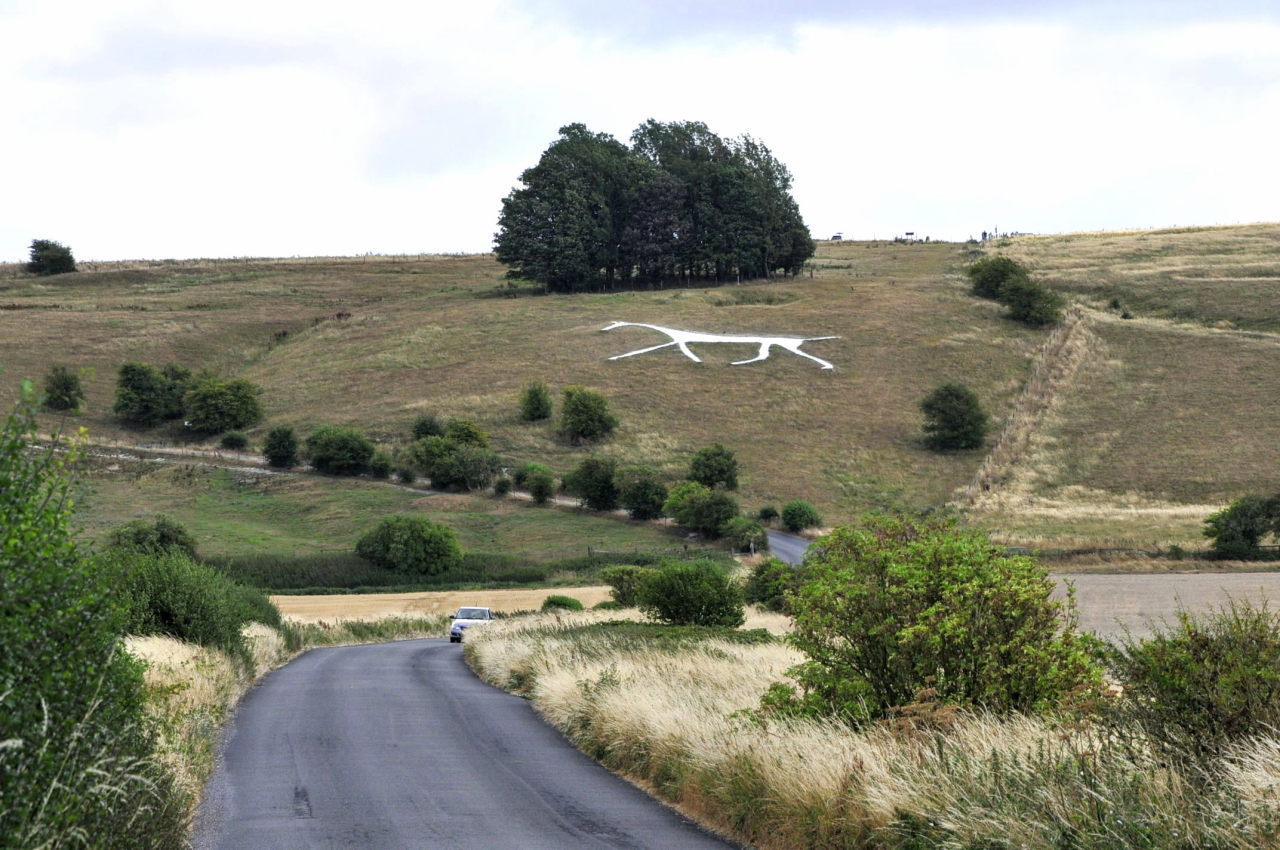
Alton Barnes white horse
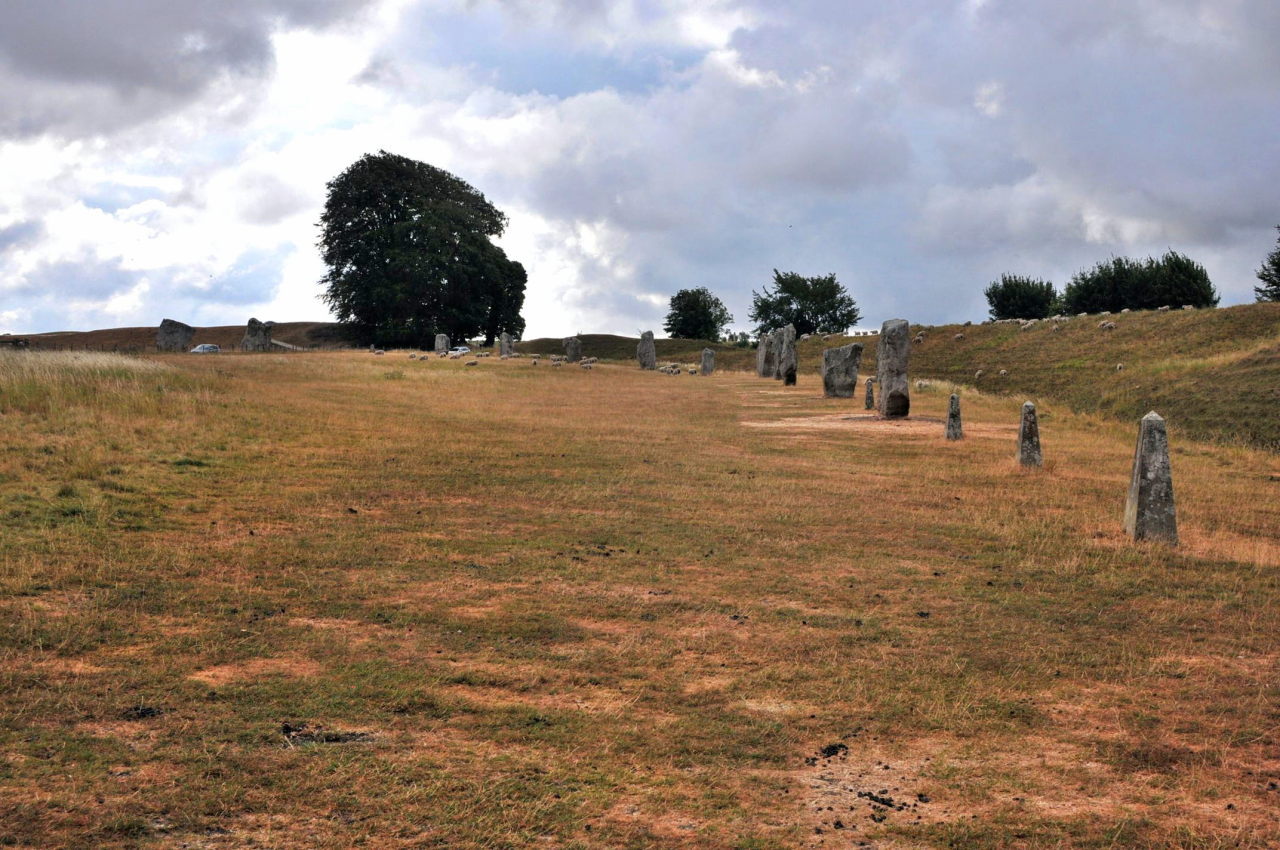
Avebury
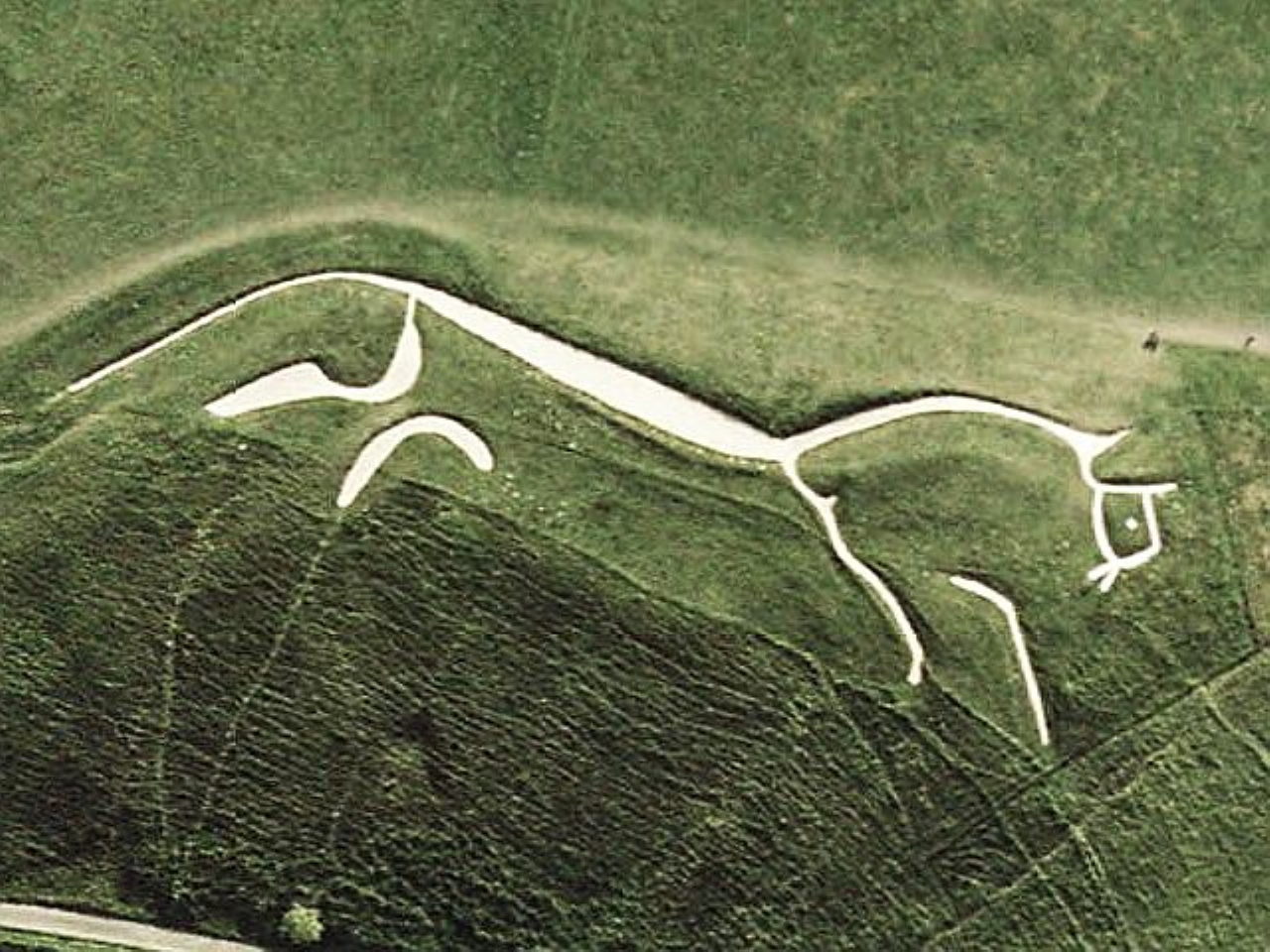
The Uffington white horse (just in Oxfordshire) is about 3600 years old. This one is the king of the white horses (or the queen); some say it was a dragon, others say a sabre-toothed tiger. What is certain is that this white horse inspired the others.
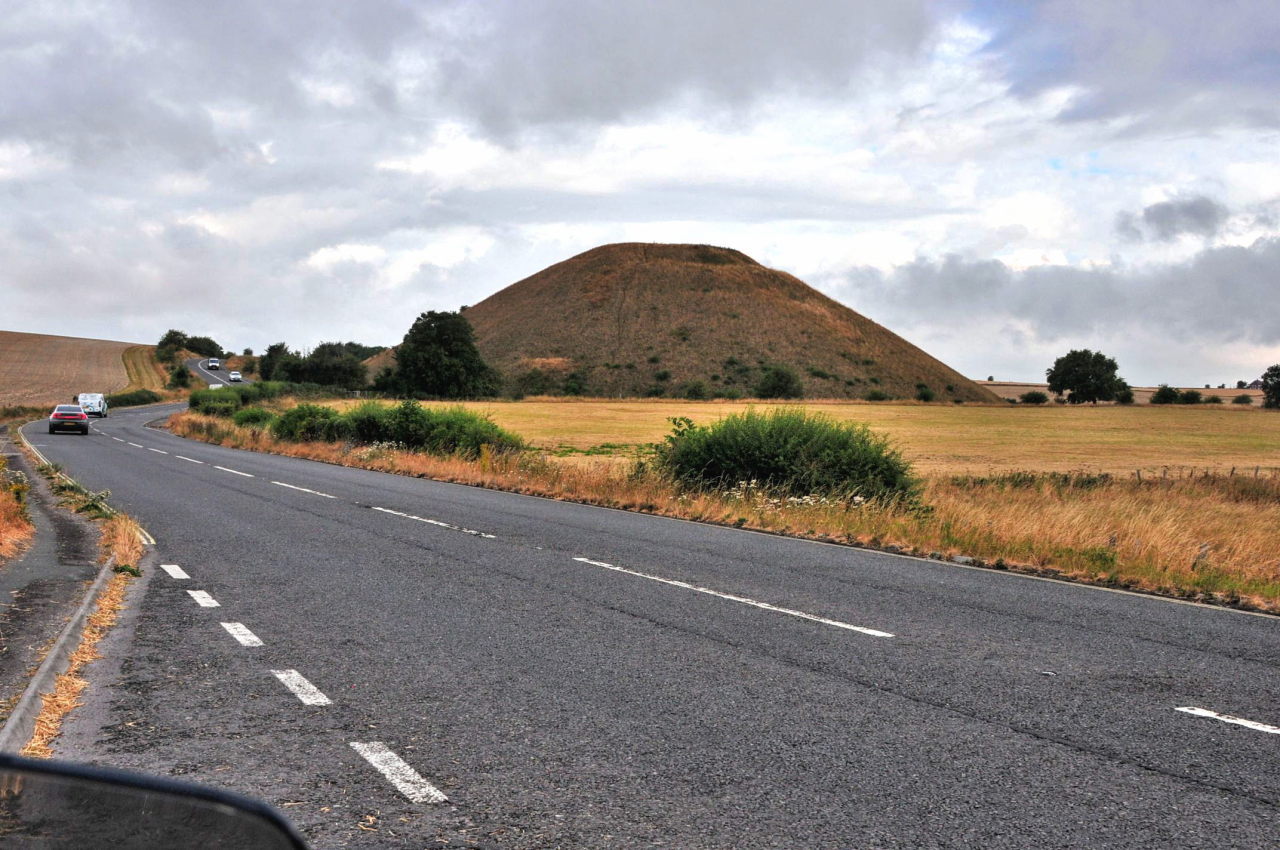
Silbury hill, also 3600 years old. It would have been (chalk) white, originally. It’s 80 metres high – roughly as high as an Egyptian pyramid.
I visited Wiltshire many years ago. I was left with an impression of an immense, flat plain, with Stonehenge in the middle, and other than Stonehenge, nothing, other than an enormous army training ground.
I came away a changed man. Wiltshire is beautiful : Rolling hills and downs, traces of history and prehistory everywhere you look. Enormous works like Stonehenge, surpassed, even, by Avebury and Wood henge, the utter gigantism of Silbury hill. Clean streams, filtered by the chalk, woods and coppices, ancient villages and towns, sitting in their sleepy peacefulness, barely disturbed by the passing centuries, Old Sarum ; the seeds of Salisbury, lying, almost forgotten next to the modern city. The army training grounds are pretty much invisible, except for road crossings. Signs saying beware of tanks crossing, reminded me of Switzerland!
I visited as much as I could : The white horses carved into the chalk downs, the canals, the pubs selling ciders that I enjoyed discovering, the pub food. I enjoyed the old houses with stone or brick walls and thatched roofs.
By the way, if you’ve never seen Stonehenge, please do so. Rather than be part of the crowds, getting as close as possible to it, go early in the morning, find a good viewpoint from a fair distance away and just look at how it fits into the plain, how it dominates, how it draws the eye. Just from that aspect, it’s an amazingly spiritual place.
I loved it all.
I left Wiltshire with a feeling of awe, that I’d reached the age I am before finding this jewel in the English crown.
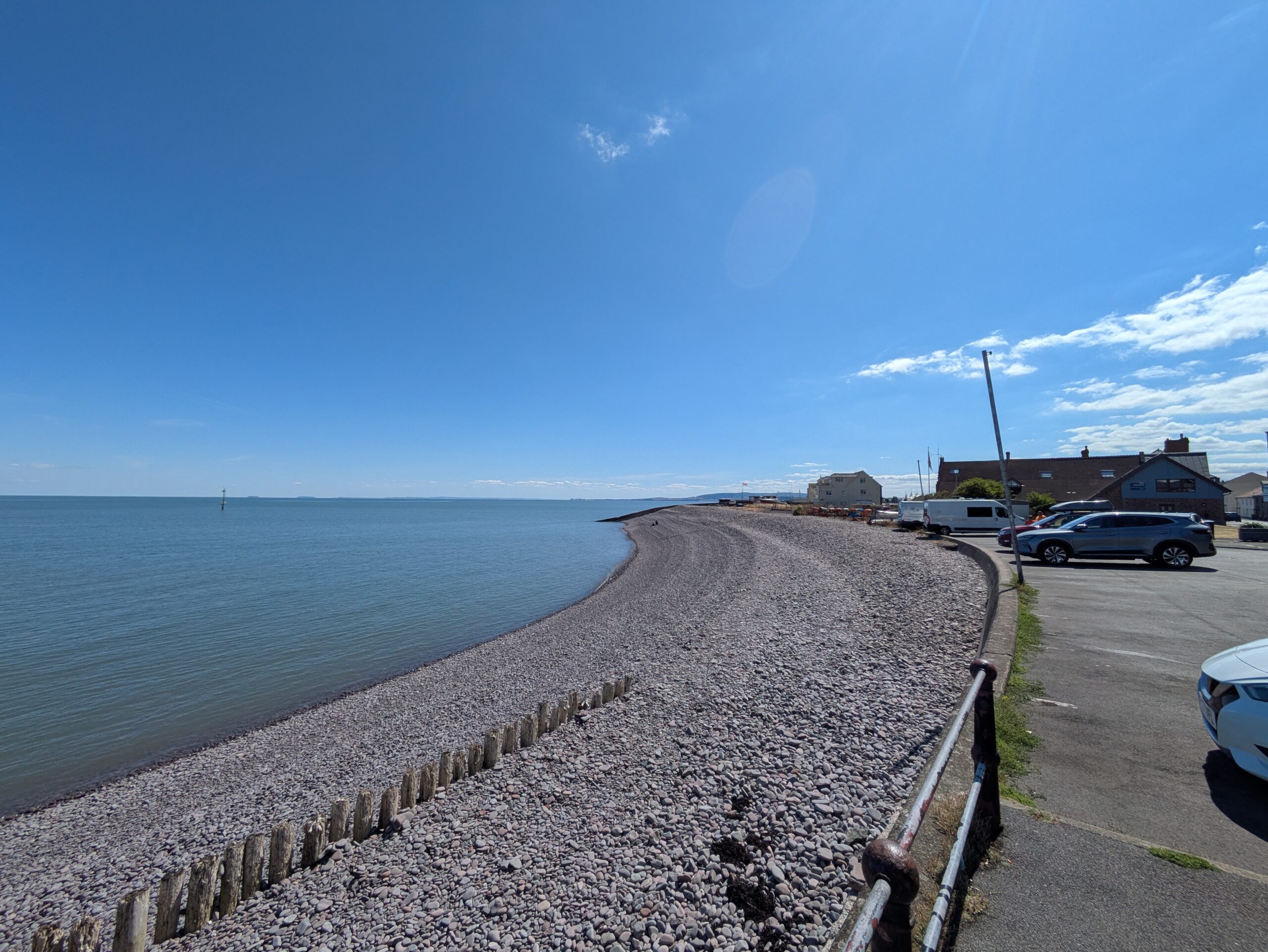
Minehead, Somerset.
I set off again, this time towards Somerset, went through Wincanton where a distant ancestor was lord (supposedly), stopped for breakfast, then on through Yeovilton where I discovered the Naval Aviation museum and took the time to do a quick visit.
There were many historic aircraft, but one exhibit particularly caught my attention :
The Fairey Swordfish.
On a dark night in 1940, this « obsolete » 1930’s biplane took off from British aircraft carriers in the Mediterranean and flew in two separate waves to attack the Italian fleet in harbour at Taranto in southern Italy. Both waves hit home and they sank, in one attack, over half of the Italian capital fleet.
I felt humbled by the courage of those 20 and 22 year old people that completed a near-suicidal mission. Who, if by some miracle, survived the Italian defences, needed a second miracle of finding their darkened ship on dark sea. They did it, and some even survived.
The thought of their selfless valour and the enormous risks they accepted literally brought tears to my eyes. I got strange looks from visitors, but one of the retiring-age naval personnel just touched my shoulder and said : « Gets to you doesn’t it, mate? »
It does.
I spent a night in another expensive camp site at a place called Rodney Stoke, then a day in Cheddar, riding through the gorges and tasting the cheeses.
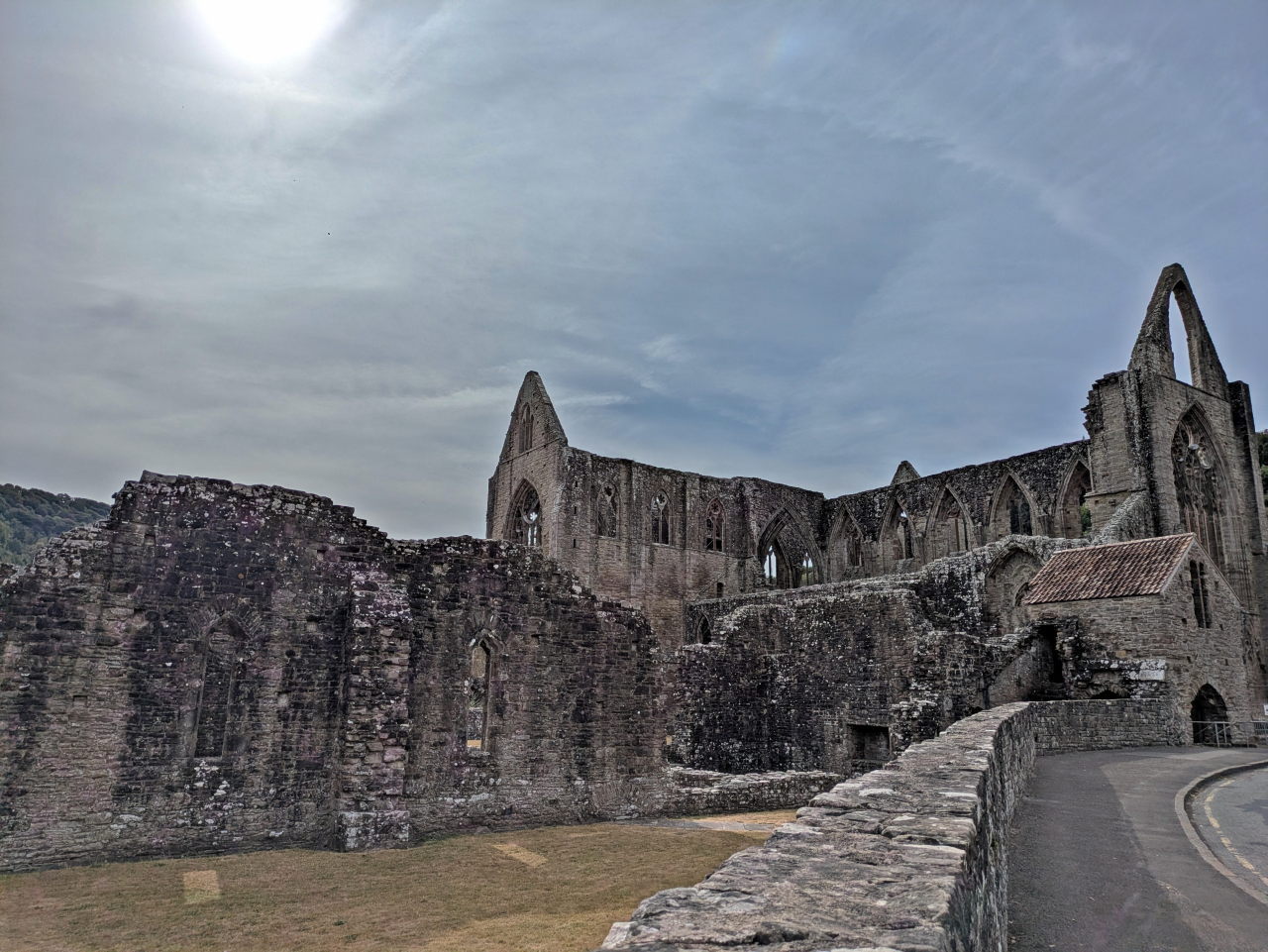
From there, I intended to ride through Somerset, Devon and Cornwall to Land’s End, but the fierce holiday traffic had me backtracking. I crossed the Severn bridge and after a night in a pub room, had a prowl around Chepstow castle and Tintern Abbey, before going across to South Wales.
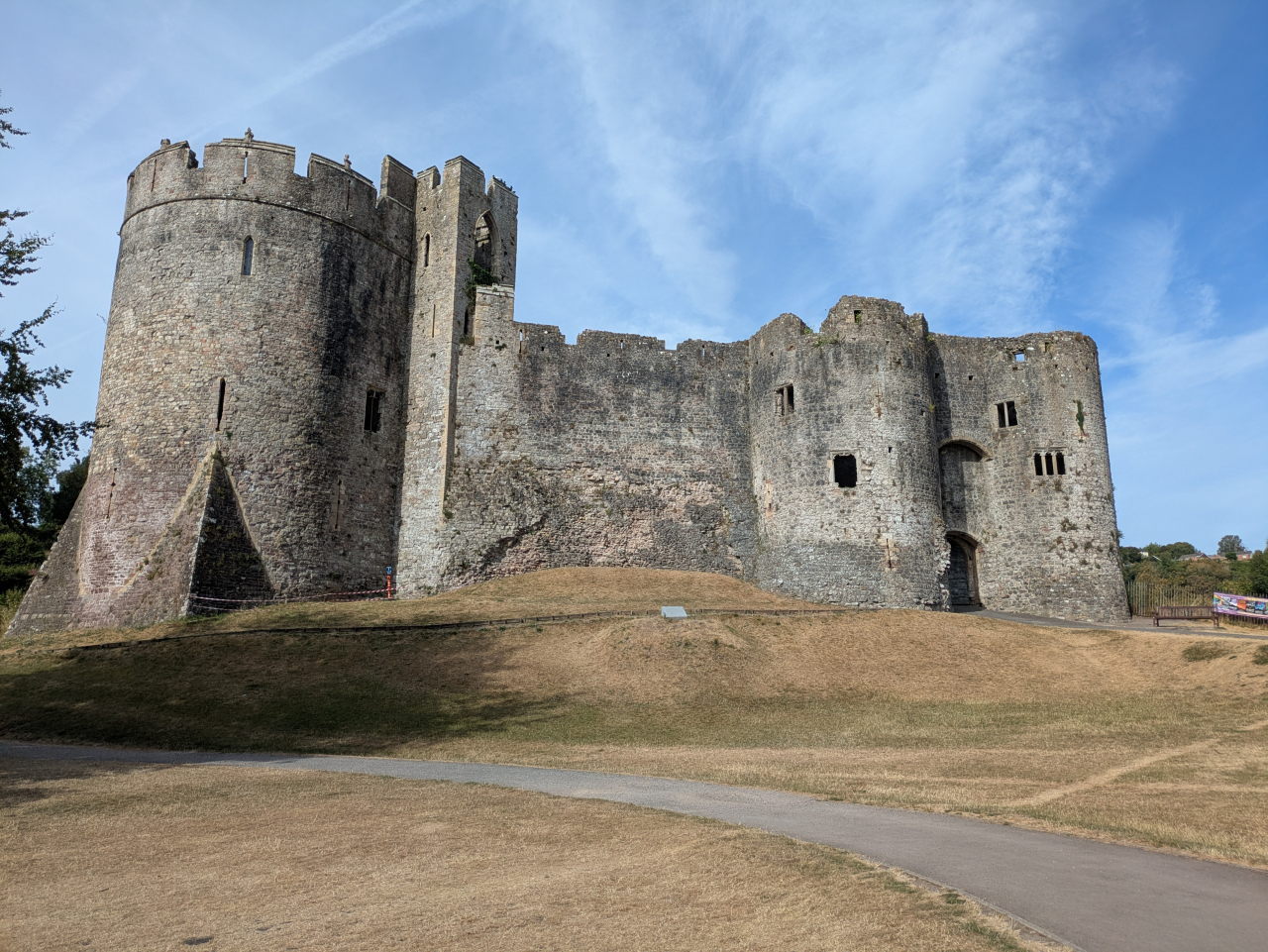
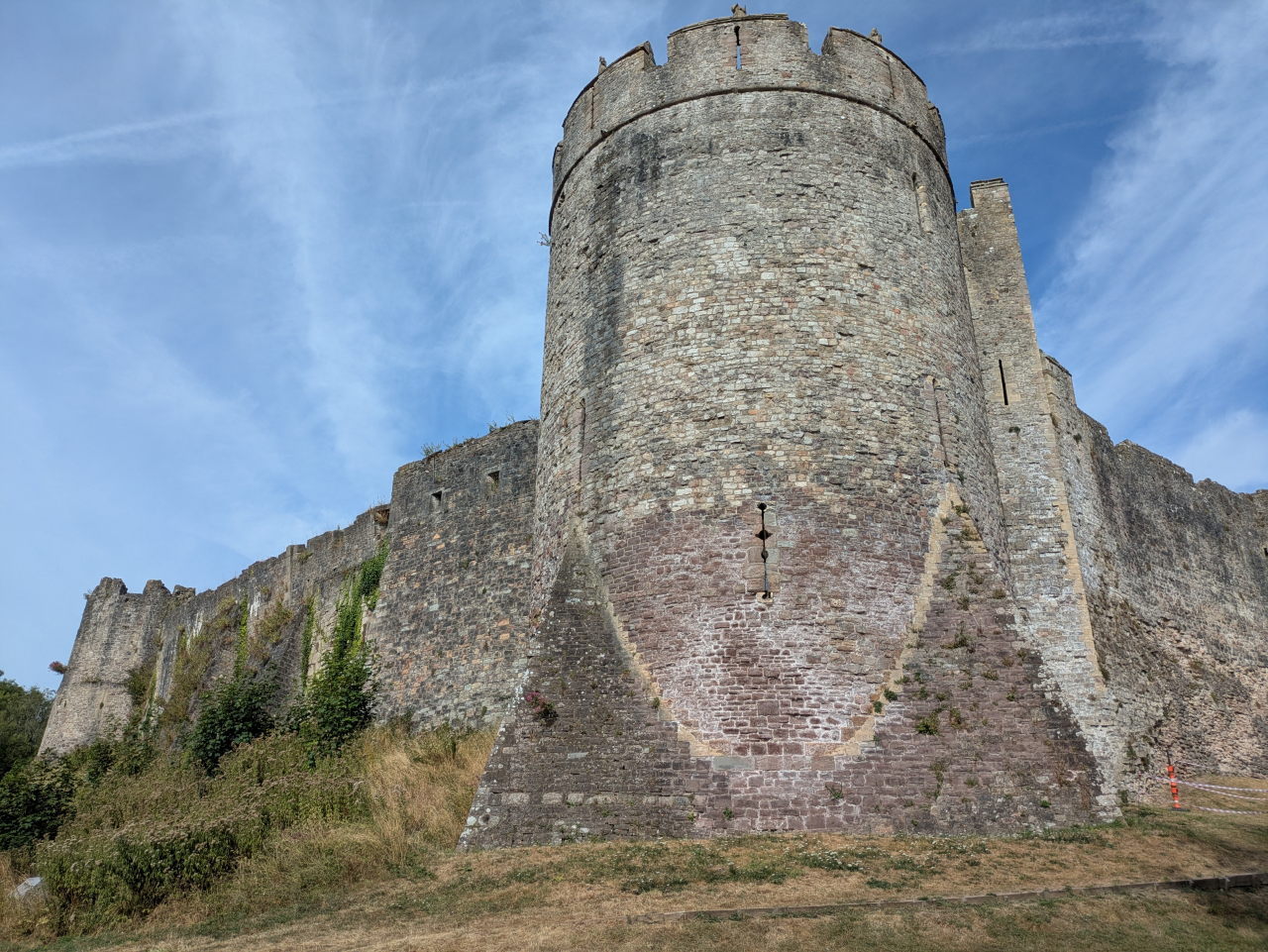
Chepstow Castle
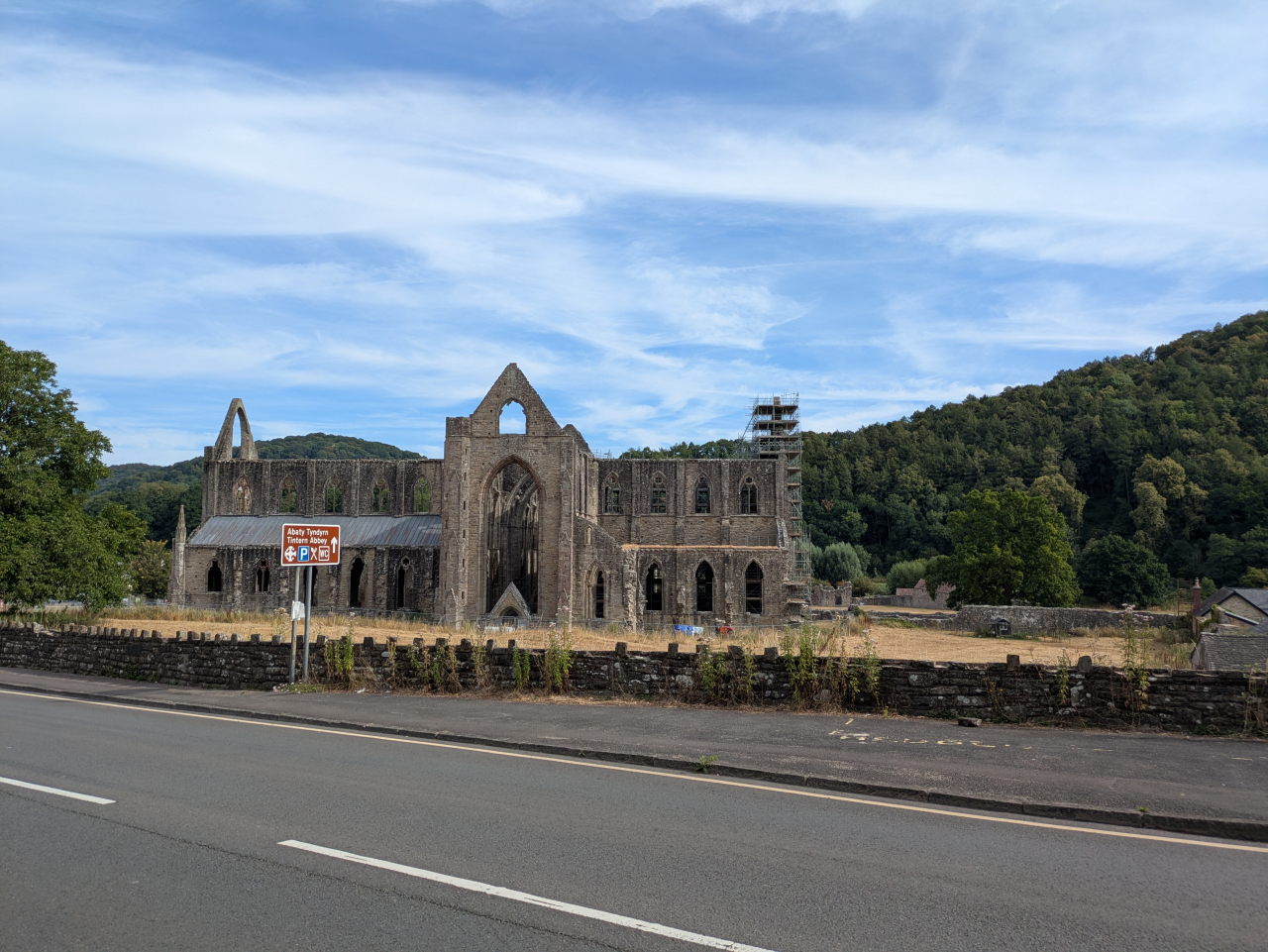
Tintern Abbey
In all the years I lived near to mid-Wales, I never had the chance to visit south Wales until now. I passed a couple of nights near Saundersfoot, explored the Pembrokeshire coast national park, then made my way up the coast, through mid-wales, spent a night near Barmouth, then on to north Wales and found a small campsite about 10 miles east of Porthmadog, a small town that I liked. Again, no phone reception, so for planning, I used coffee shop Wi-Fi.
From here, I explored the Lleyn peninsula, Anglesey and had a look at the many castles in the area. I particularly liked Beaumaris castle.
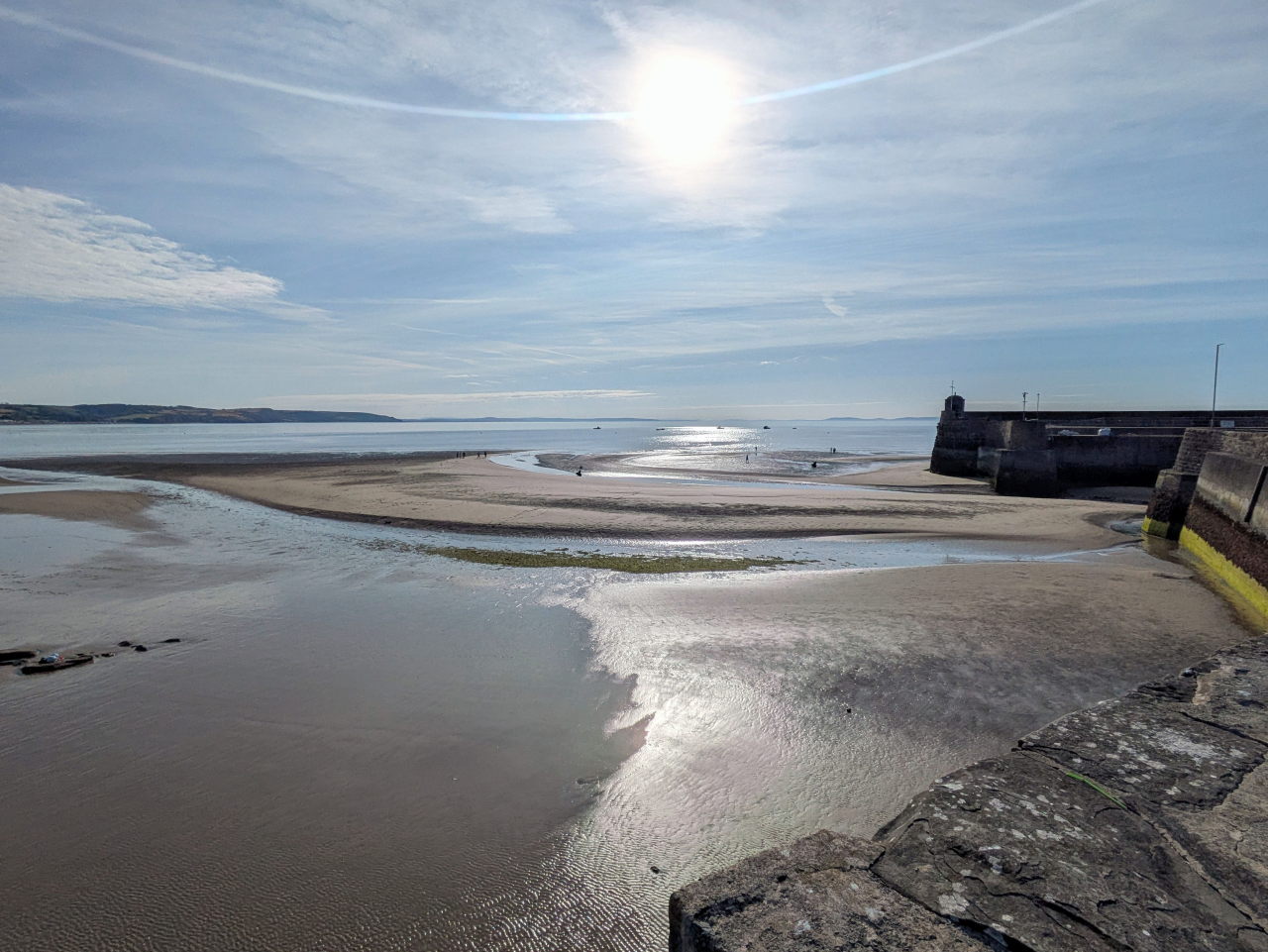
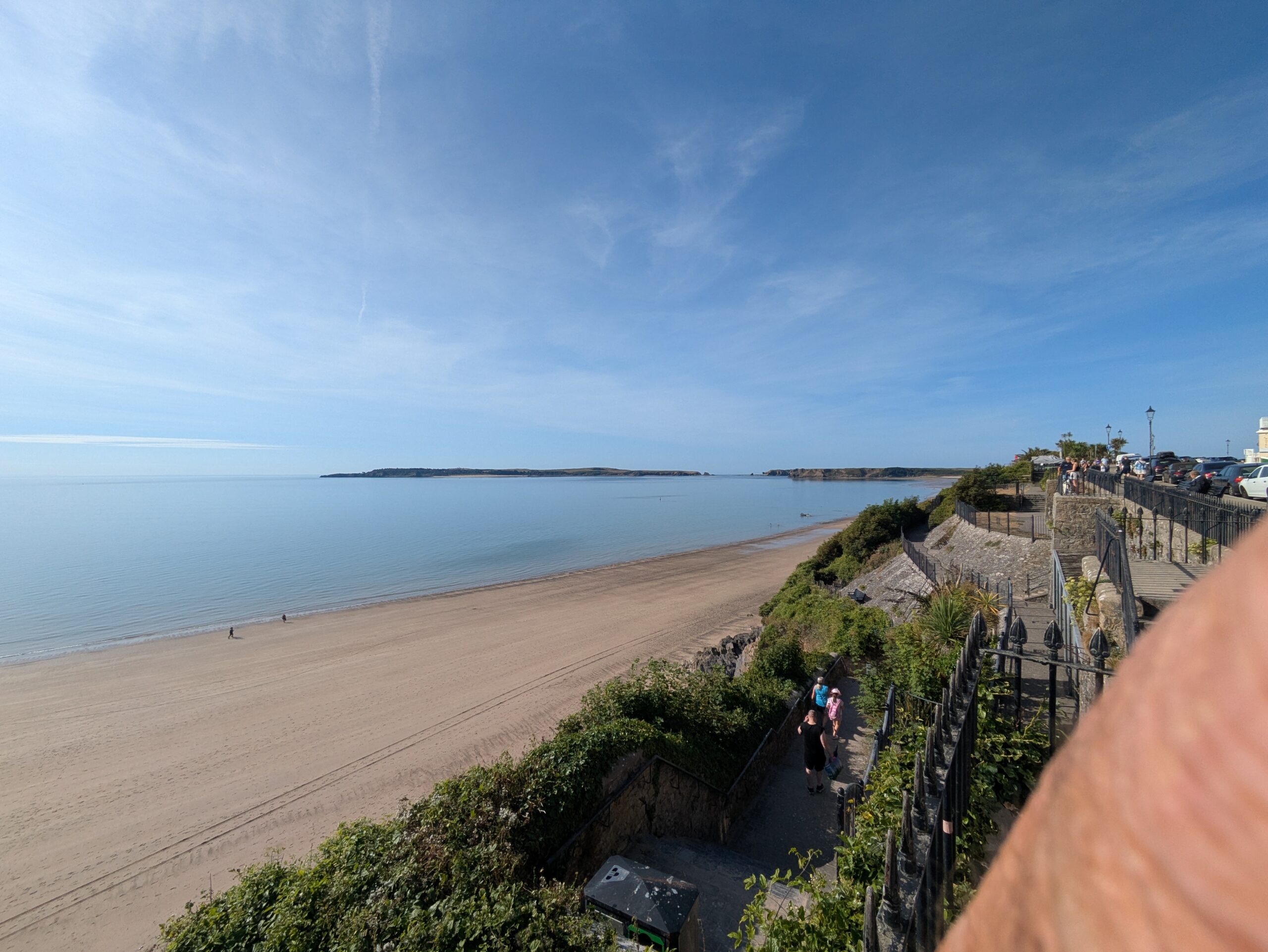
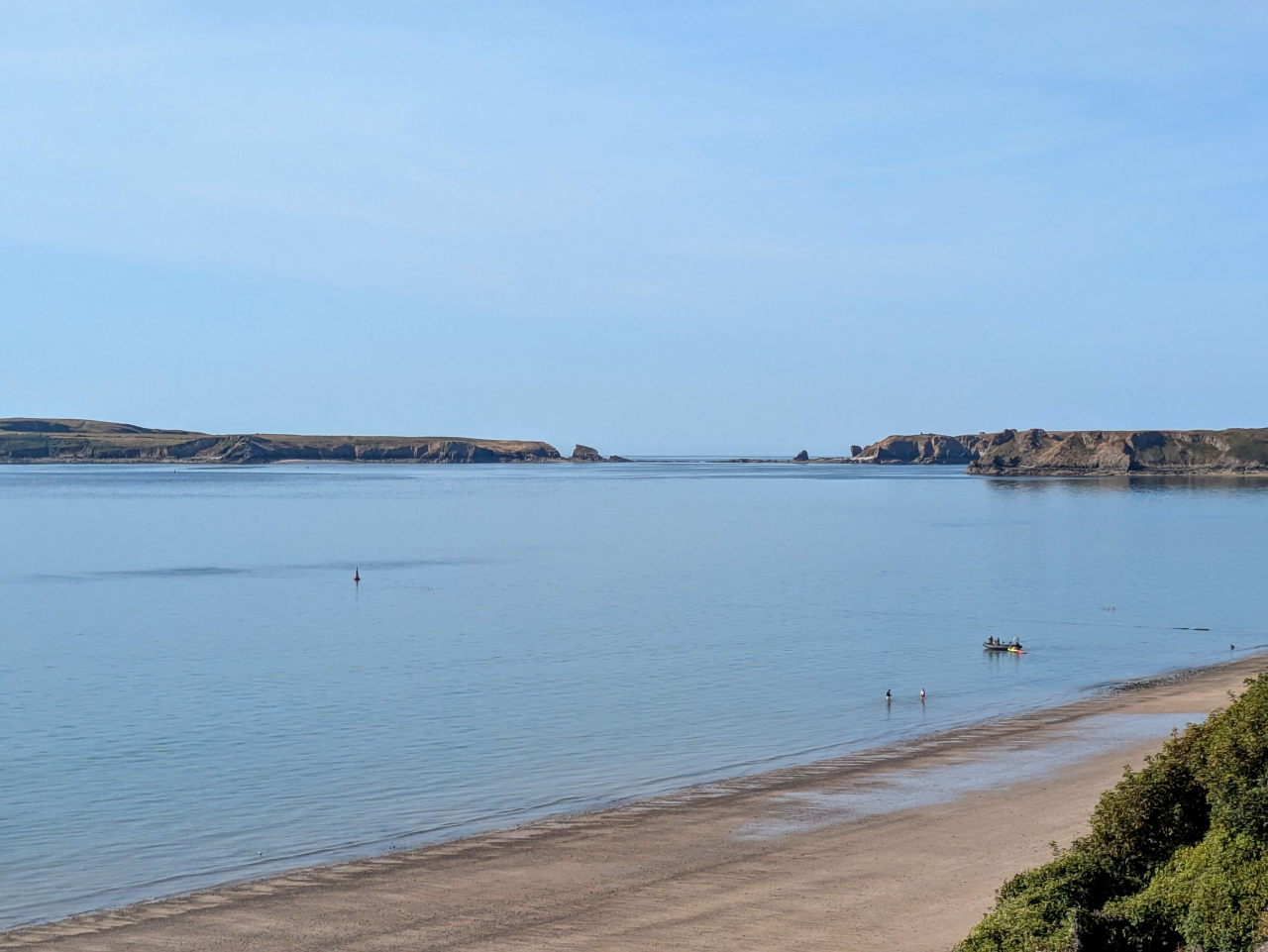
Tenby Bay.
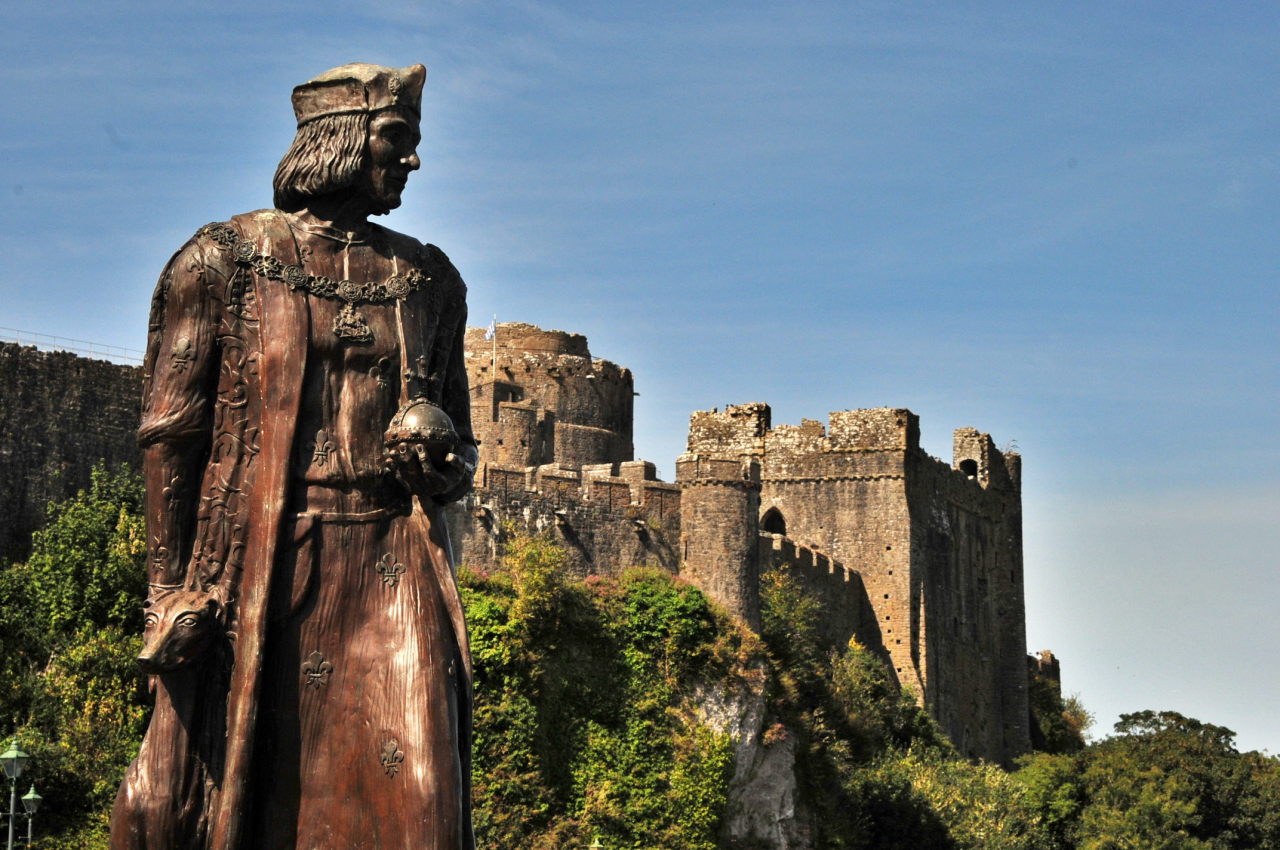
Statue of King Henry VII in front of 12th Century Pembroke Castle.
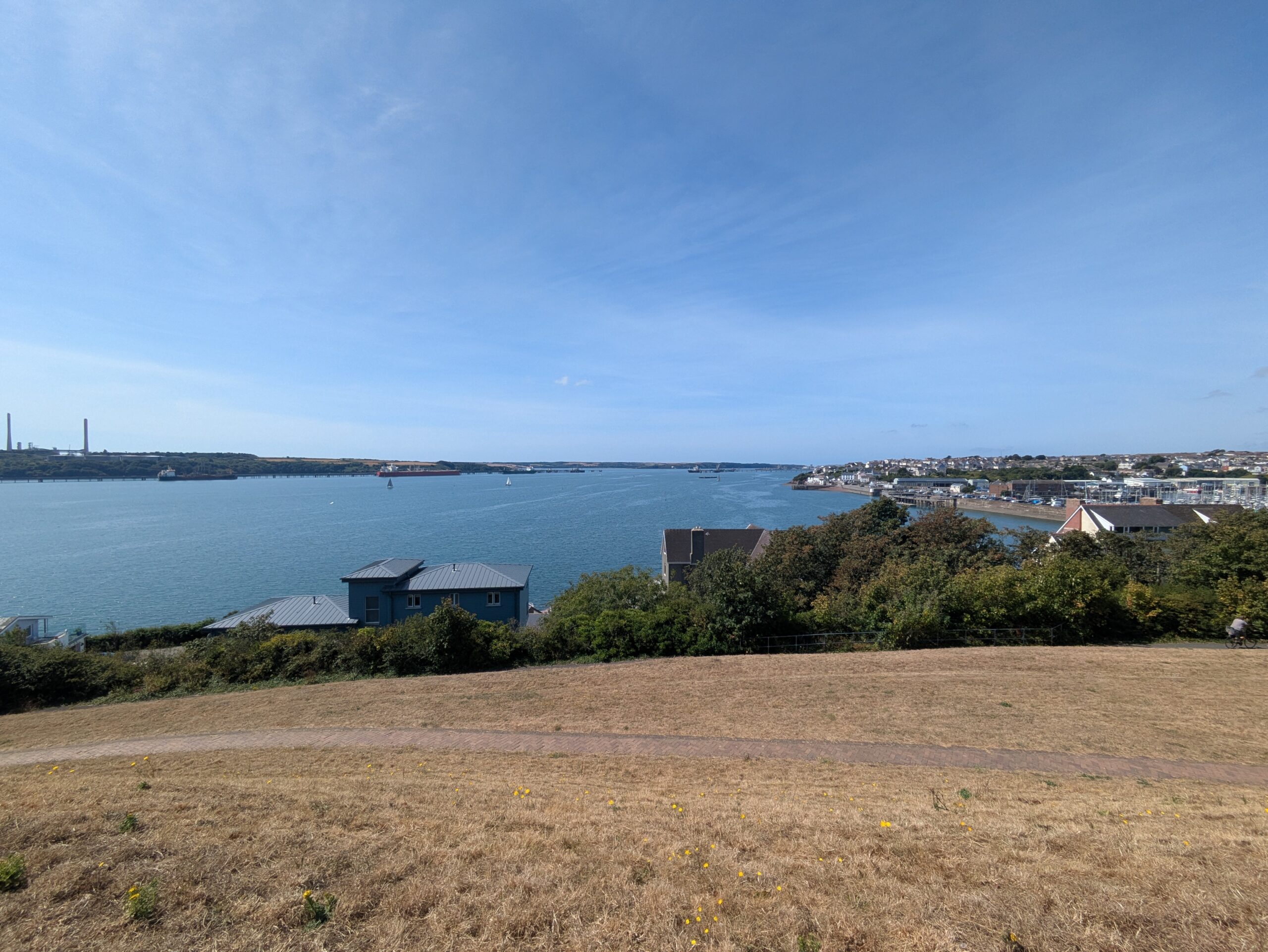
Milford Haven.
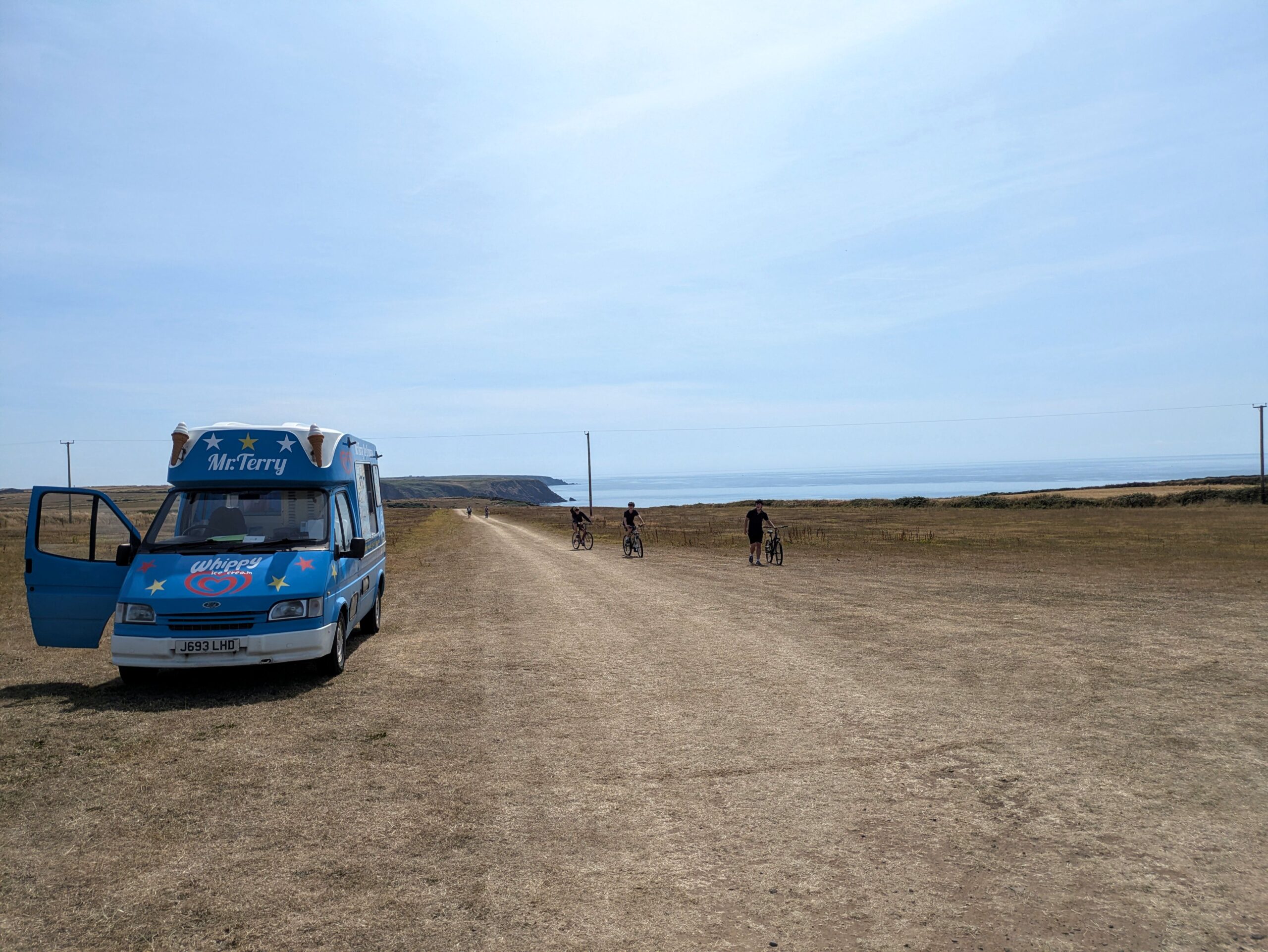
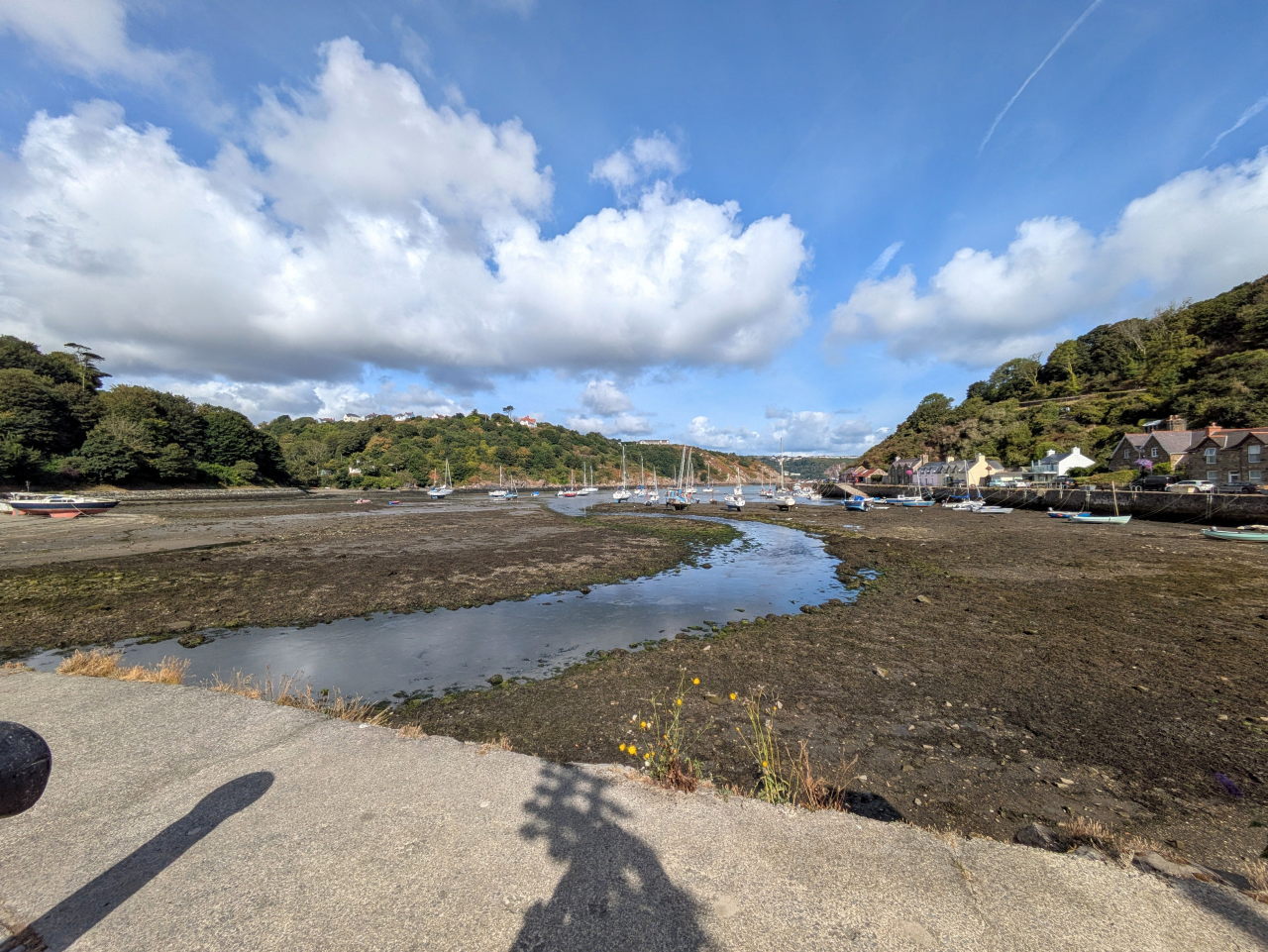
Fishguard.
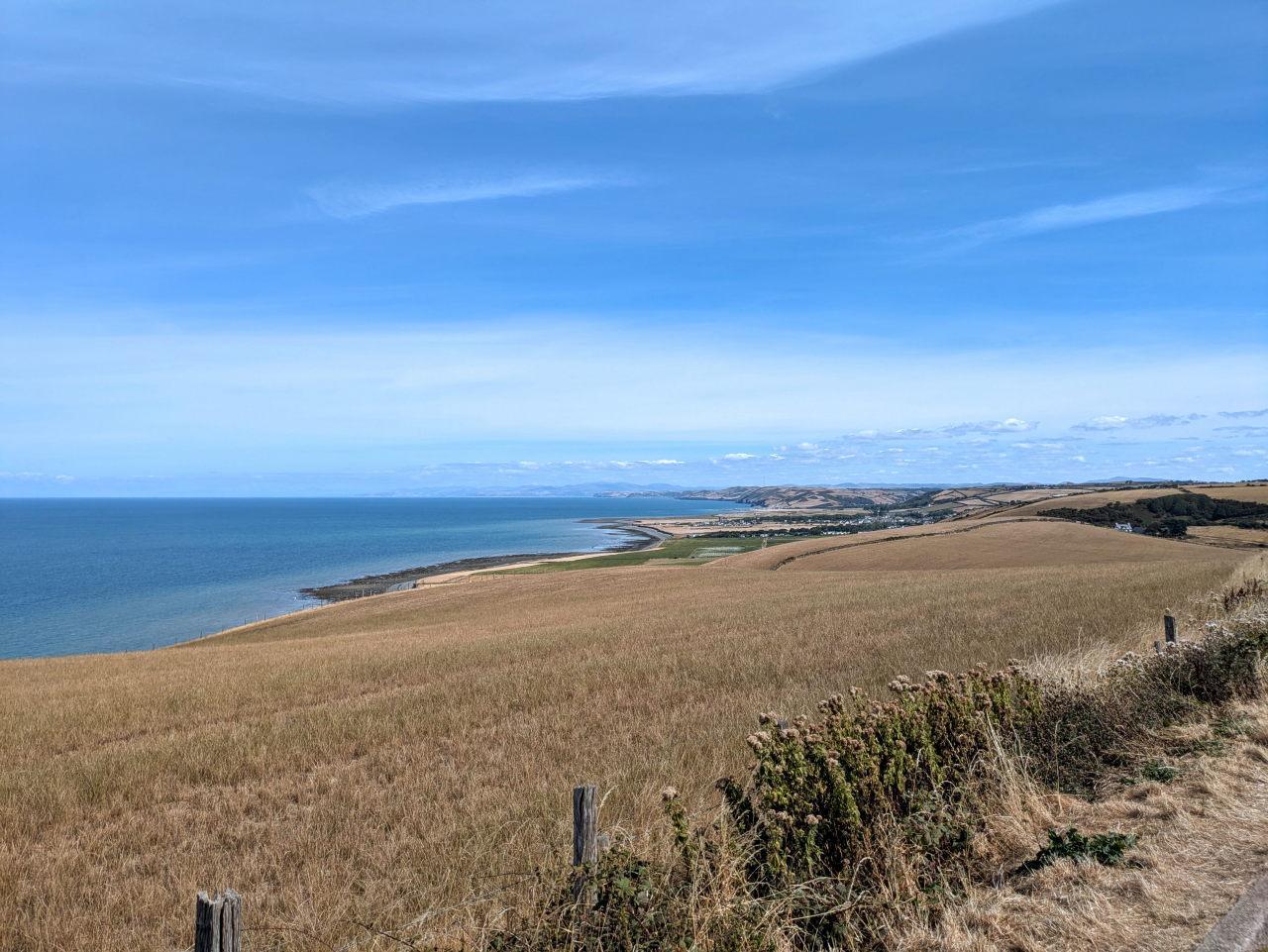
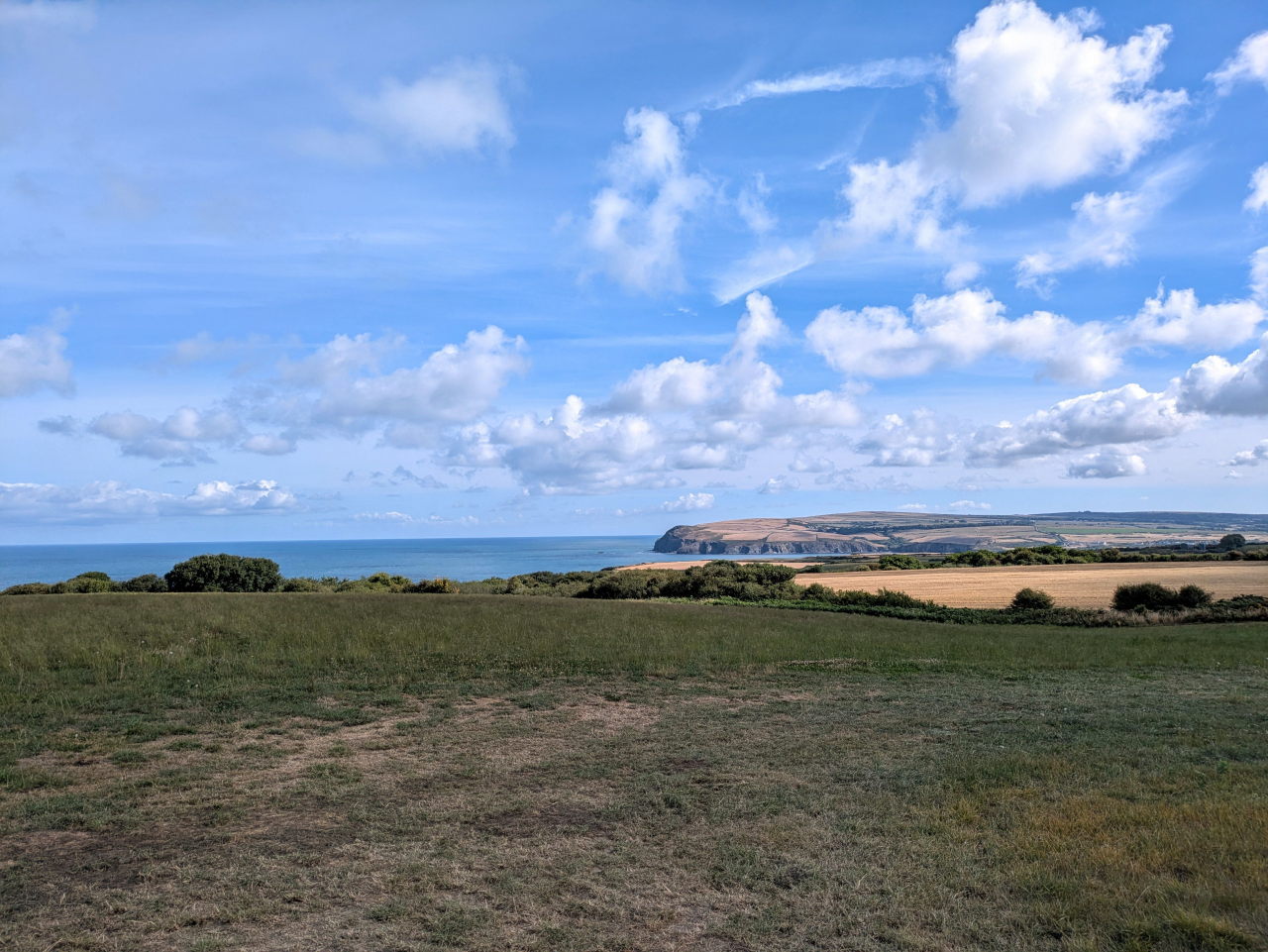
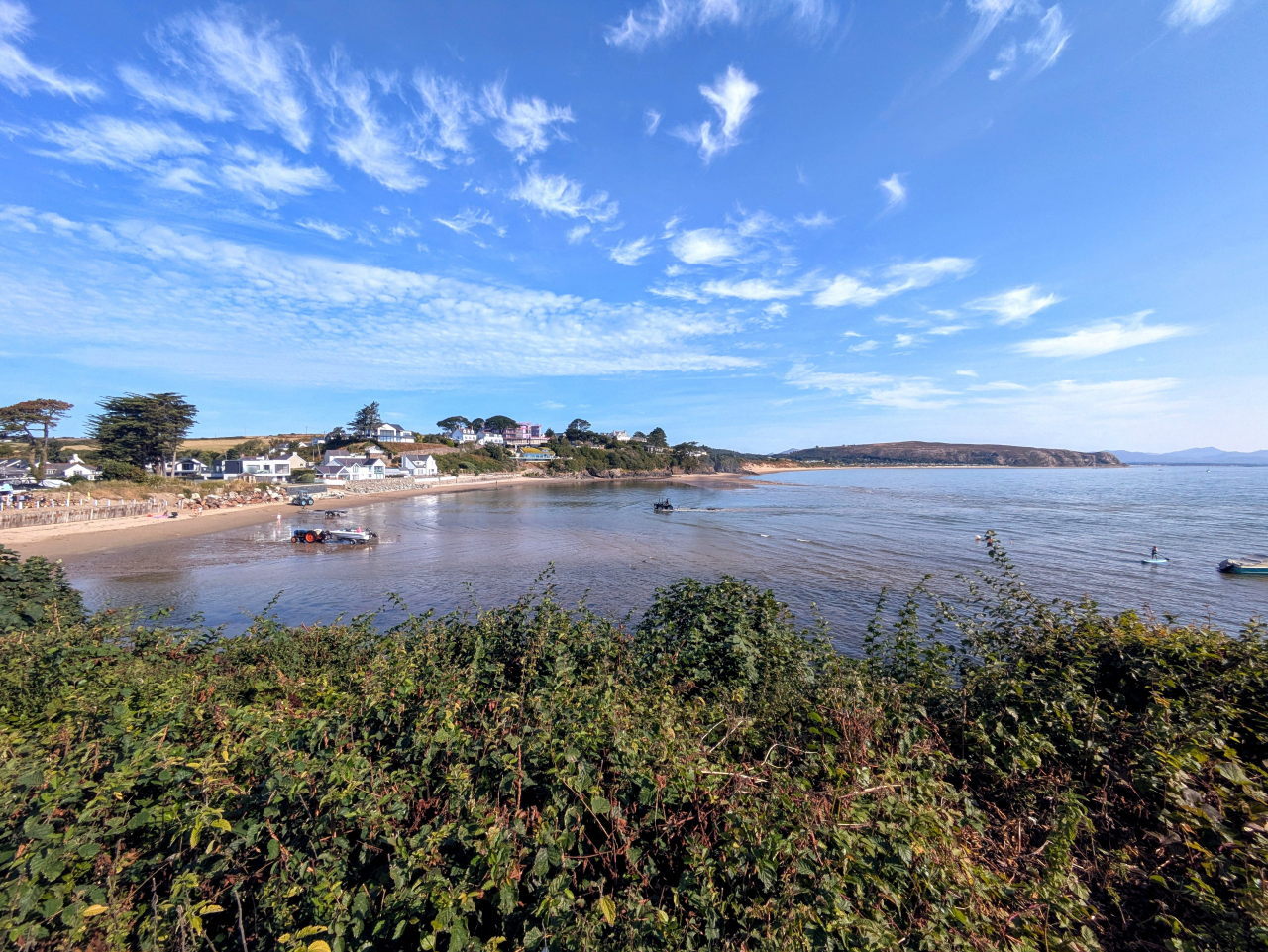
Abersoch.
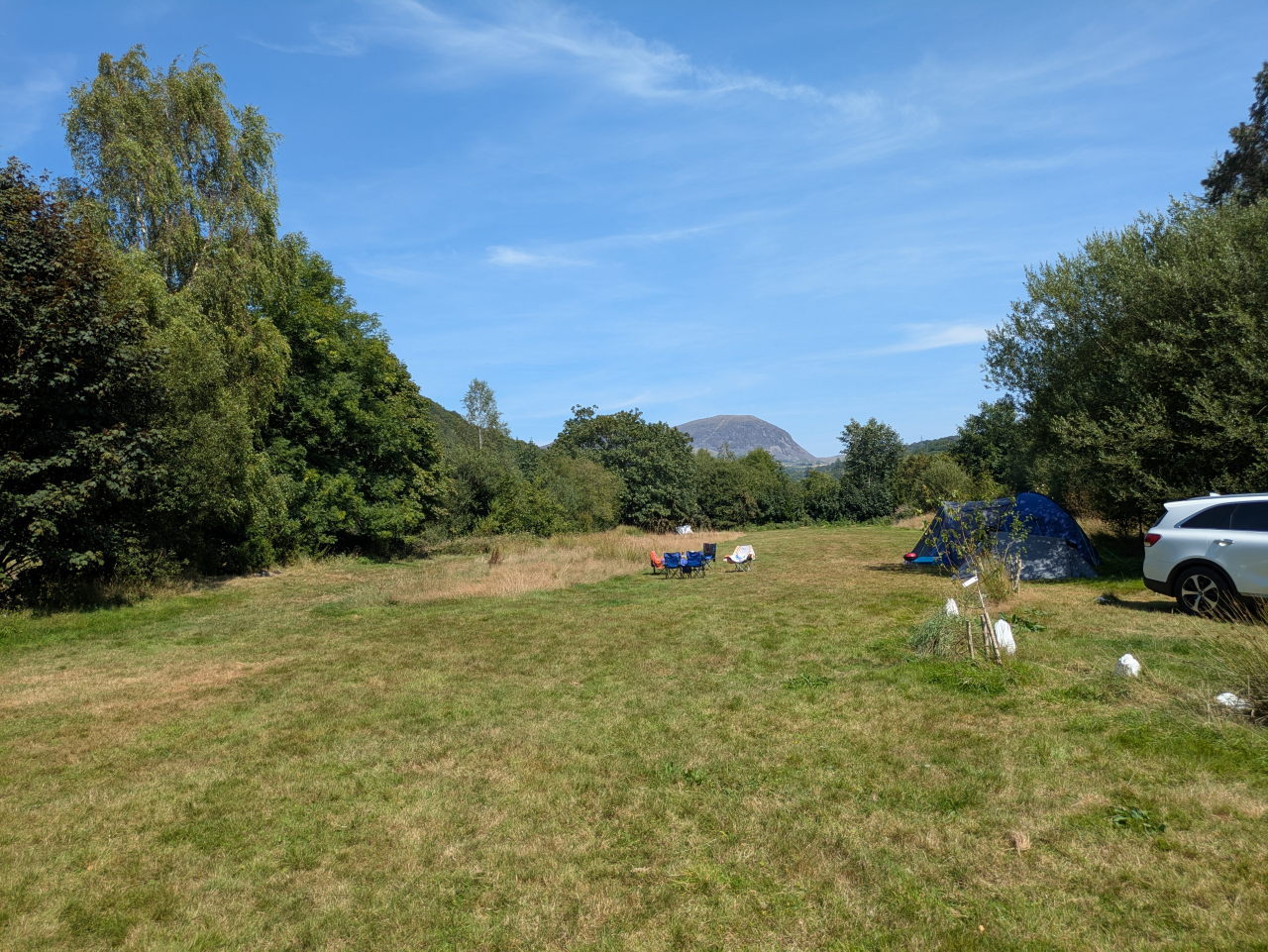
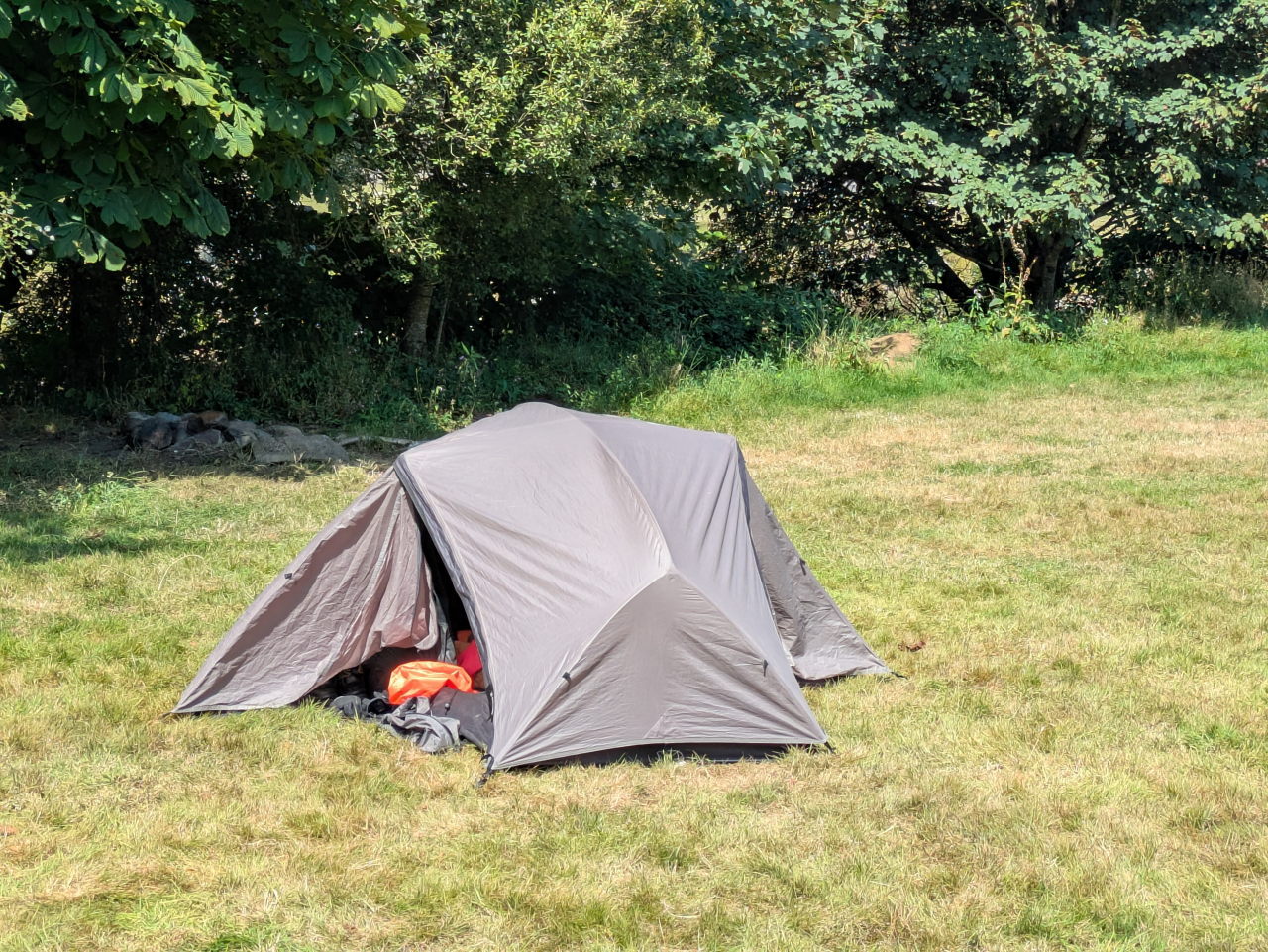
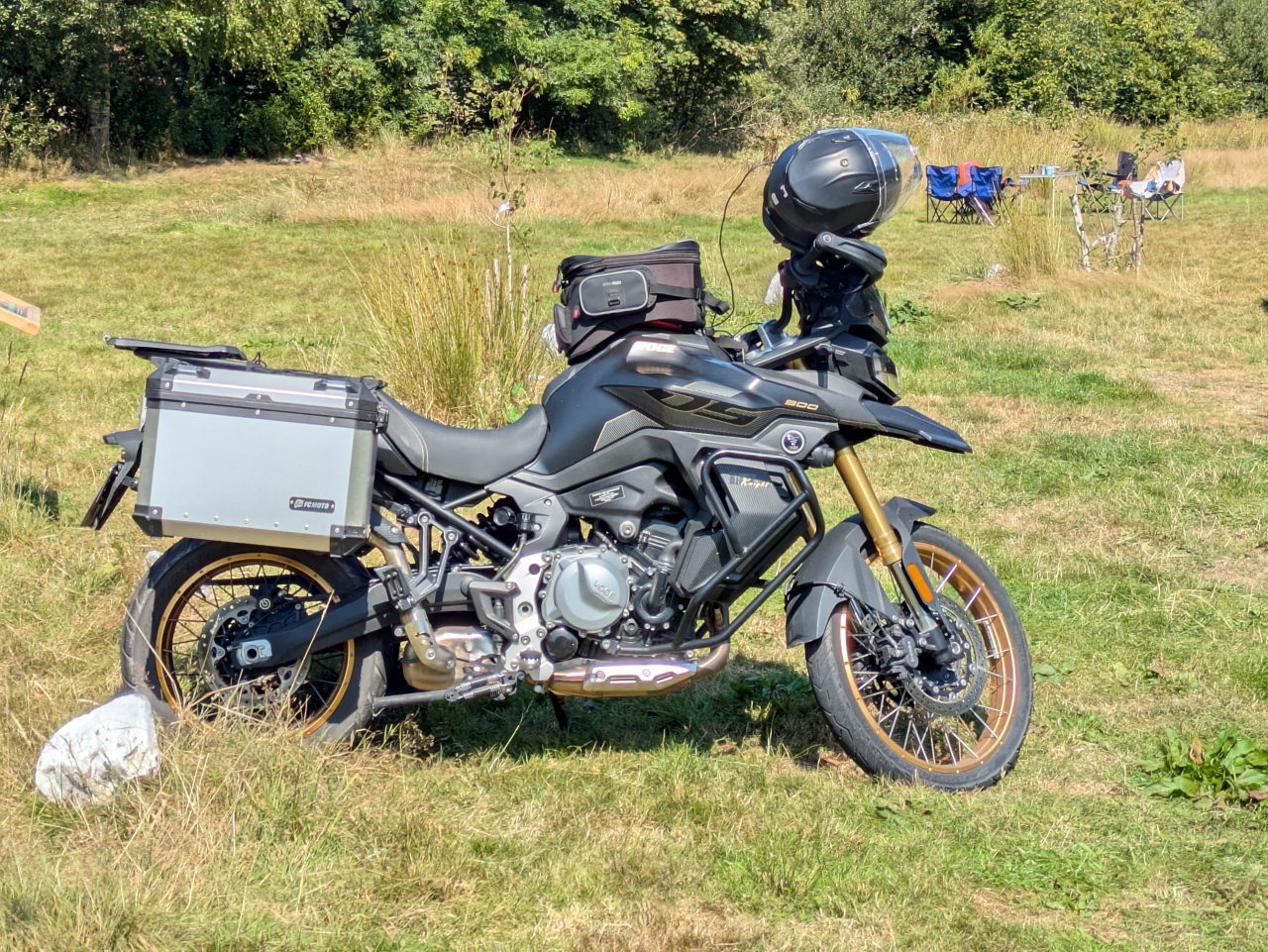
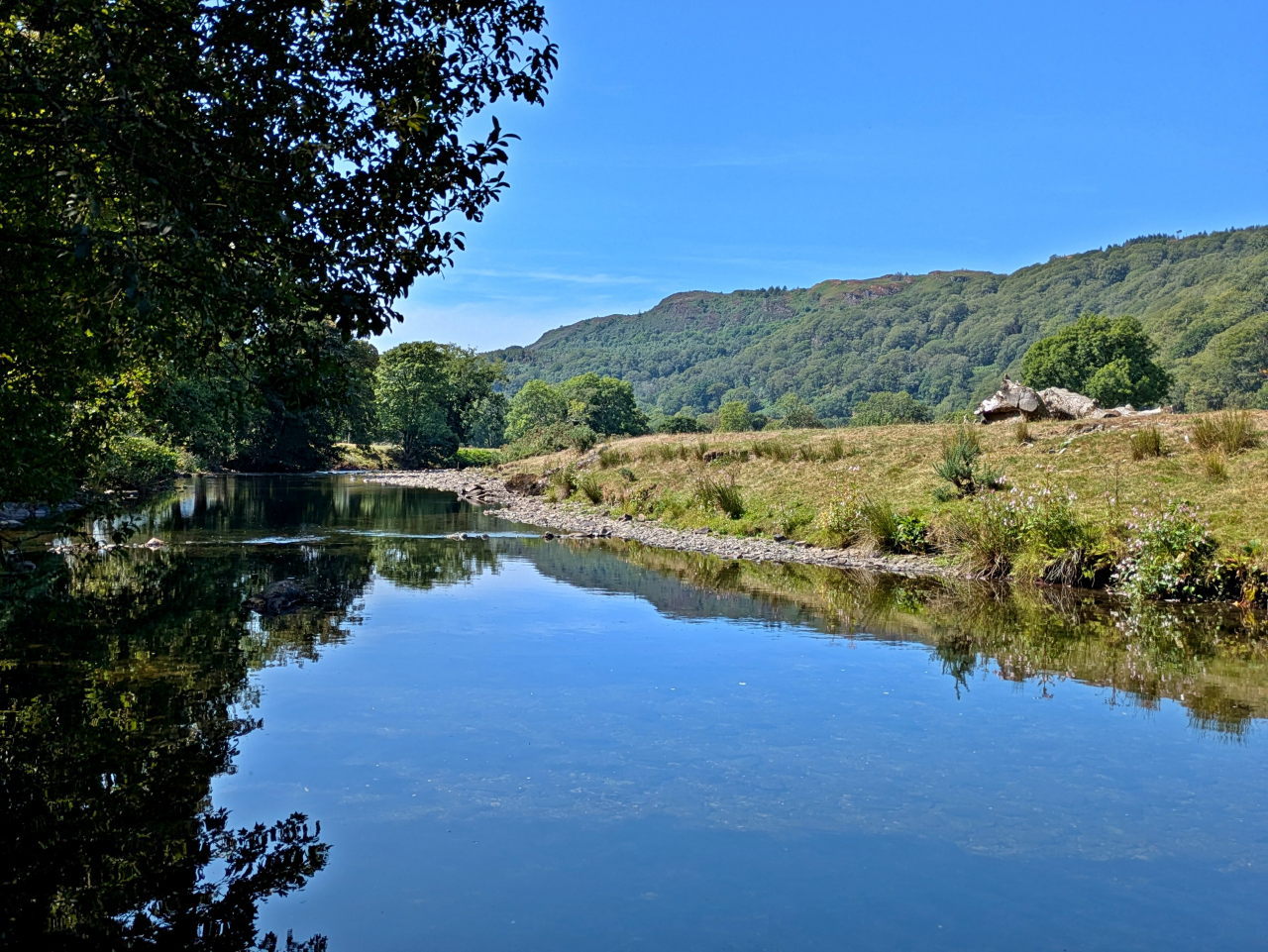
Campsite, between Porthmadog and Ffestiniog. No network, route planning was done in a cafe at Porthmadog.
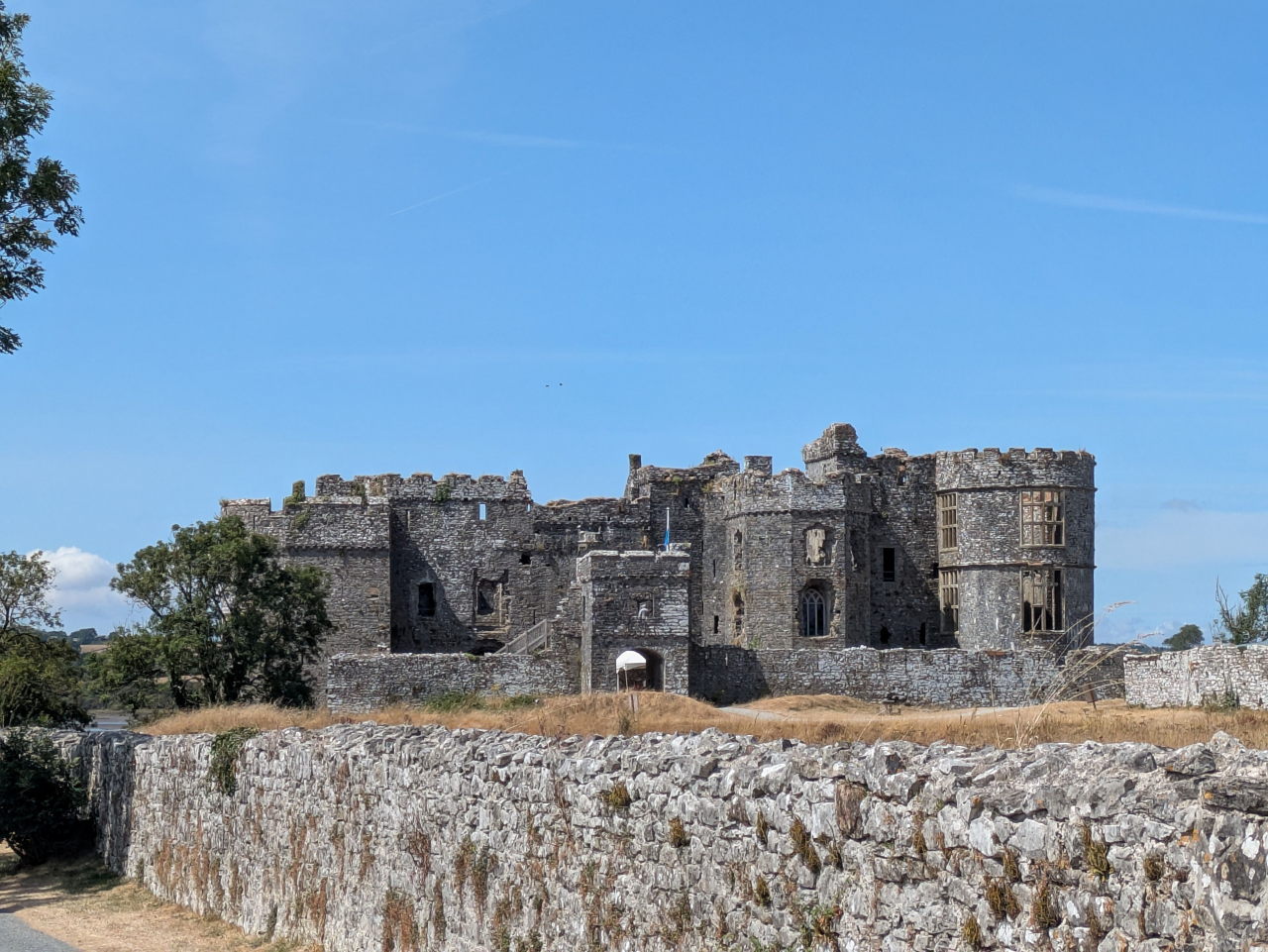
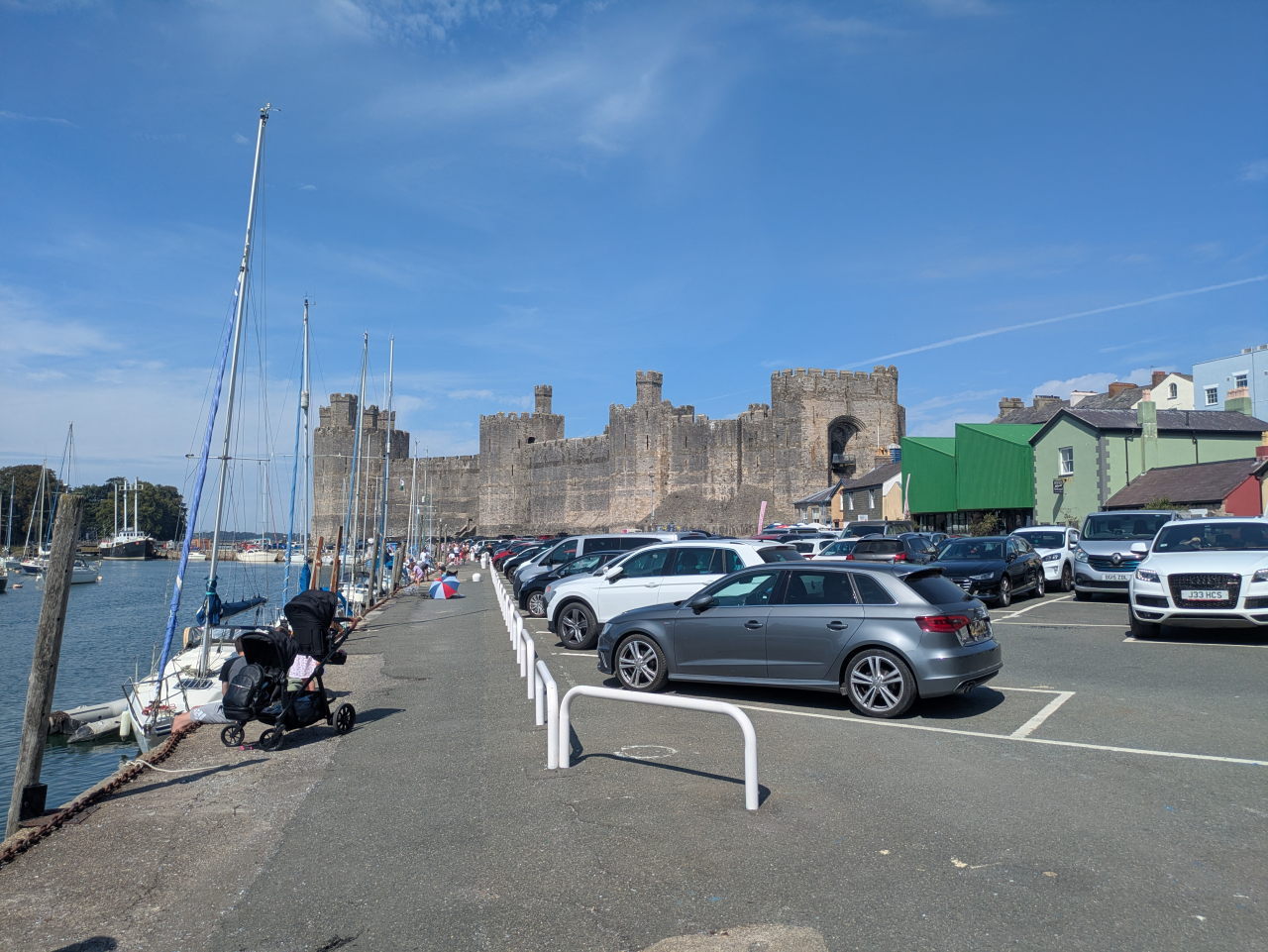
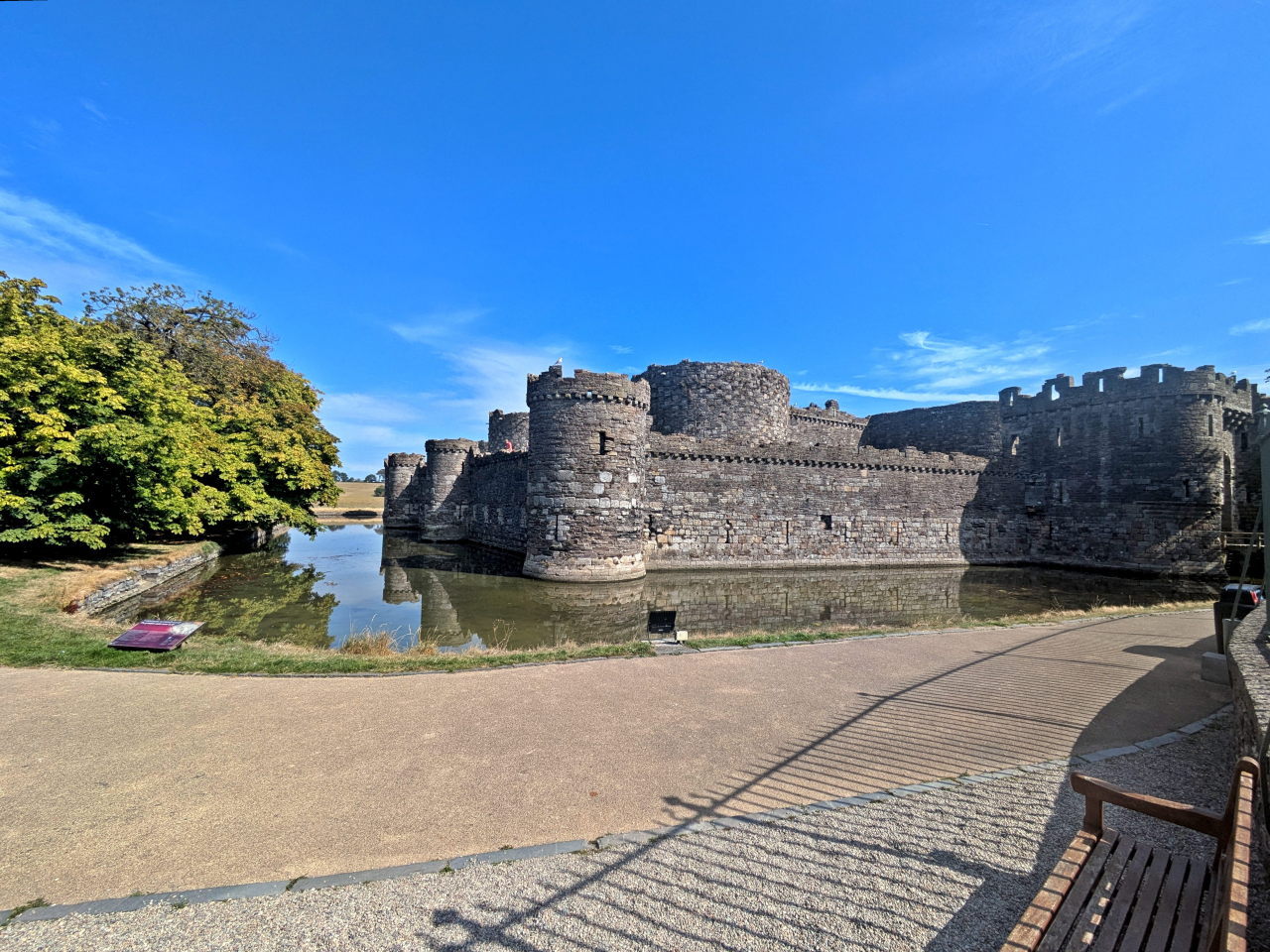
Beautiful Castles: Carew, Caernafon and Beaumaris.
On another day I rode through the beautiful Snowdonia national park, then, leaving Porthmadog, crossed wales to Chester and Chirk, where one of my uncles came from (told you, this voyage was about roots), then down to Birmingham, to see my sister, Ros.
Because it’s not easy to find people free when I can visit, I found myself going down to visit my cousin in Bedfordshire before going back north to visiting Birmingham and Herefordshire, where I mostly grew up.
What I did with family tree places in Wiltshire, I did again in Bedfordshire, where my mum came from. I didn’t take photoss there; it’s much more urban, with heavy traffic, but I did my pilgrimage to all the villages I knew in the family tree, and those I remember my mother mentioning. I visited the graveyard in Shefford, where several family members are buried.
Back up to Shropshire, Herefordshire and Powys, the camp sites are very luxurious, set up for camping cars and, the rare ones that had room, were way too expensive for me. Explain to me how a camp site for a motorbike and a tent can be £49.50, but a room in a nice old pub can be £68.50 including a full English Breakfast and free parking?
The cost of a luxurious camping car, plus the luxurious campsite fees, make it pointlessly expensive. You may as well sleep in hotels. Add to that the fact that you are not really camping, surrounded as you are with TV and all the electronic gadgets from home. It’s a mystery to me.
I had a lovely time seeing old friends, even a motorbike ride to Aberystwyth with Jon Pascoe, a beer or two (ginger beer for me) with Geoff Vickress and Graham Price inn the Sun Inn in Leintwardine, a historic English pub. I enjoyed a meal with Elaine and Richard Duggan and a spent a couple of nights in Cath Stead’s spare room. I visited the old house at Adleymoor, where I grew up. I wish I could have seen everyone, but I suppose I’ll have to come back!
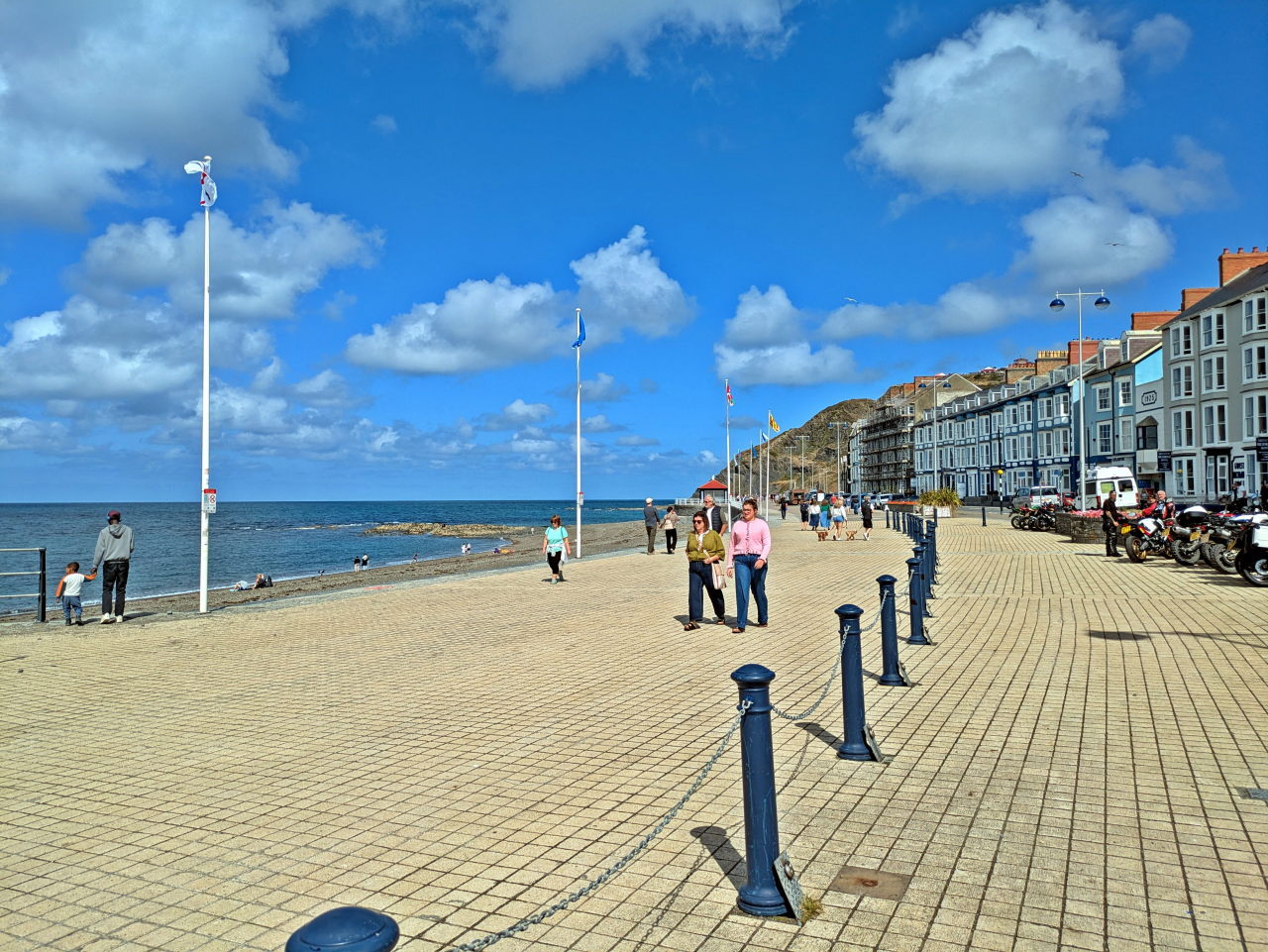
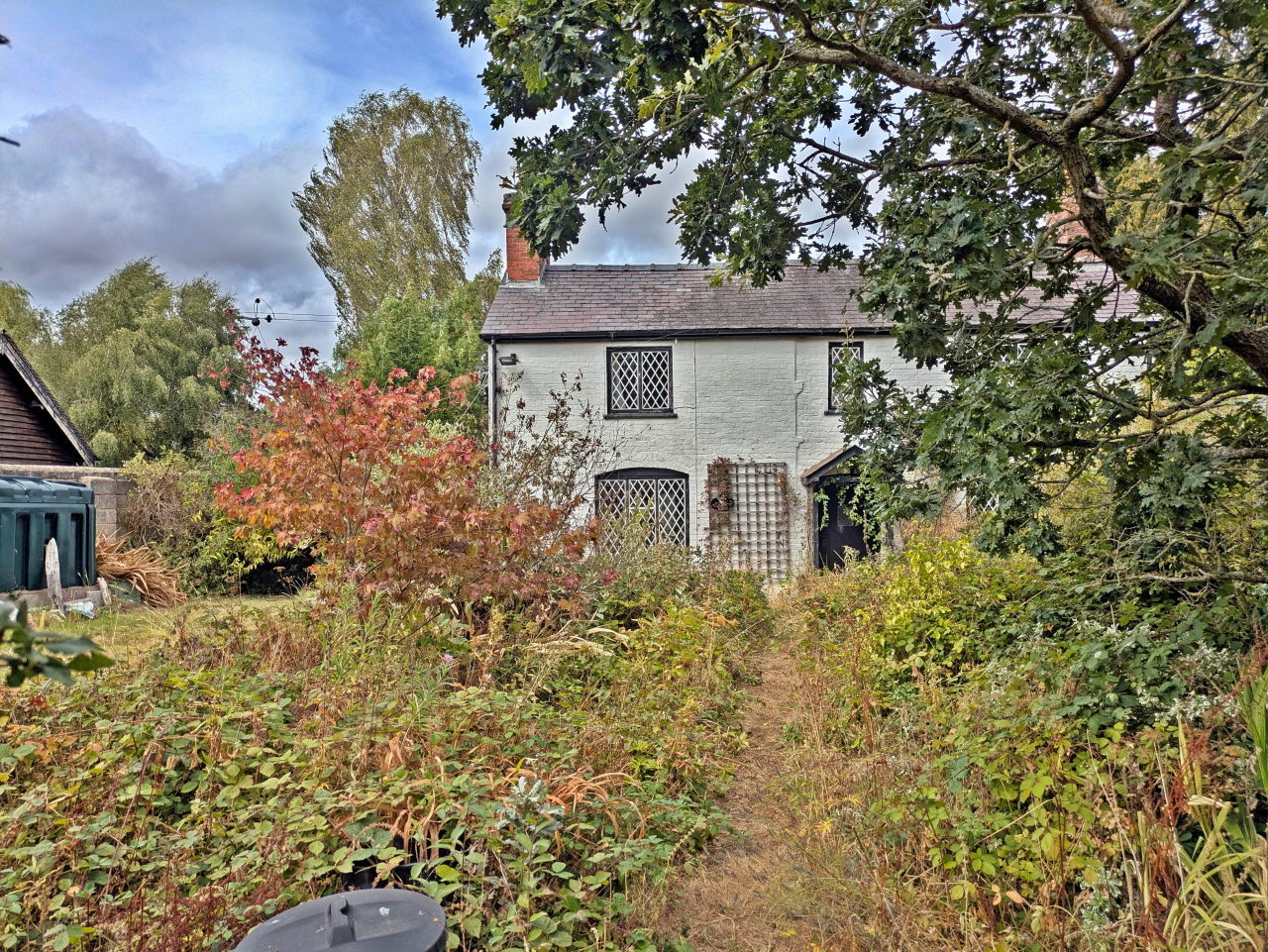
Aberystwyth, The White House at Adleymoor.
After three weeks of travel and discovery, it was time to leave Wales, Leave England and go back to Europe,
I rode down from near Telford (where I slept a couple of nights in a not-quite-sleazy hotel) to Harwich, booked into a room in a pub only a mile from where I needed to catch the boat. I spent a peaceful evening there, walking around the historic harbour and looking at the boats.
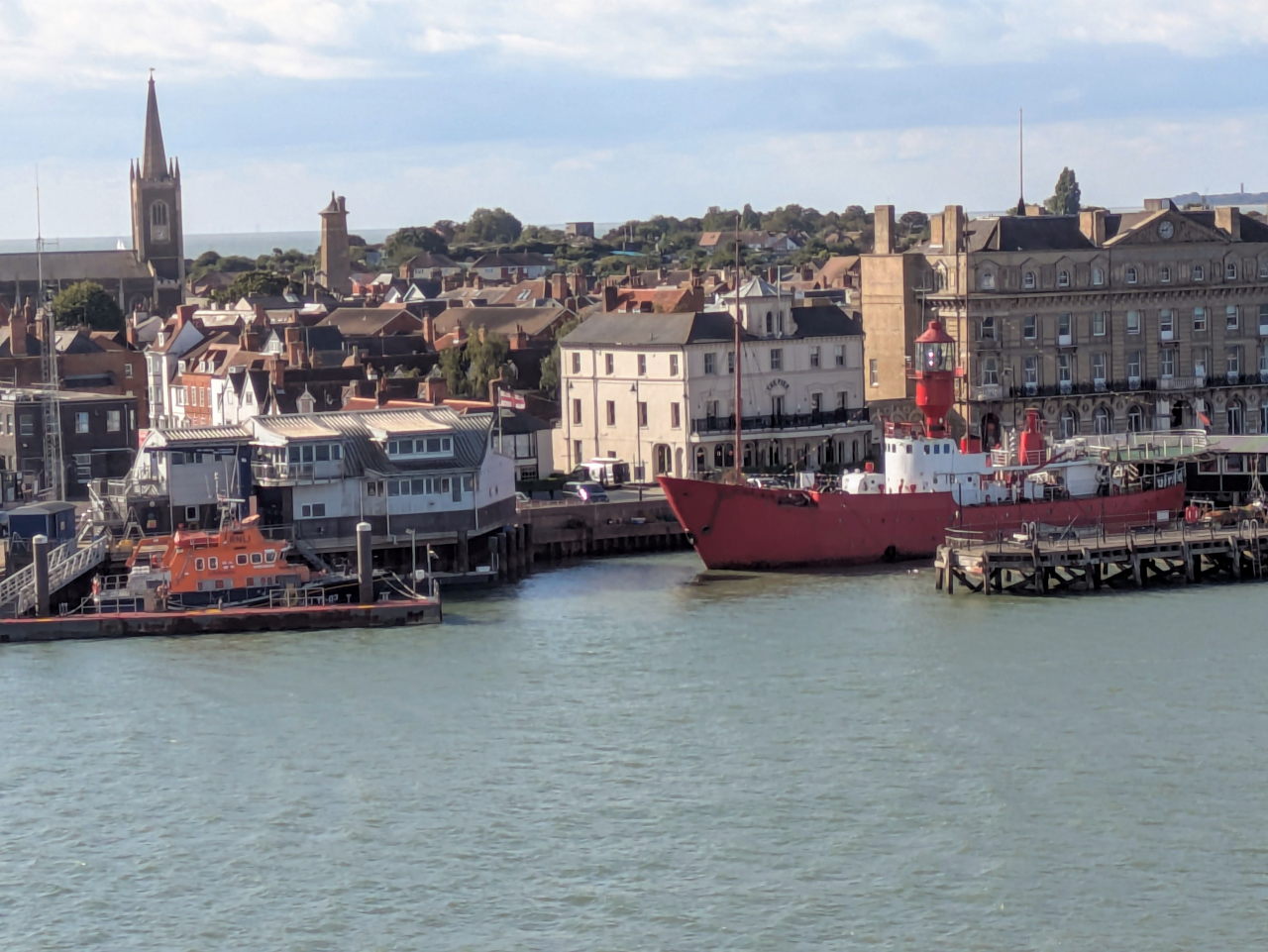
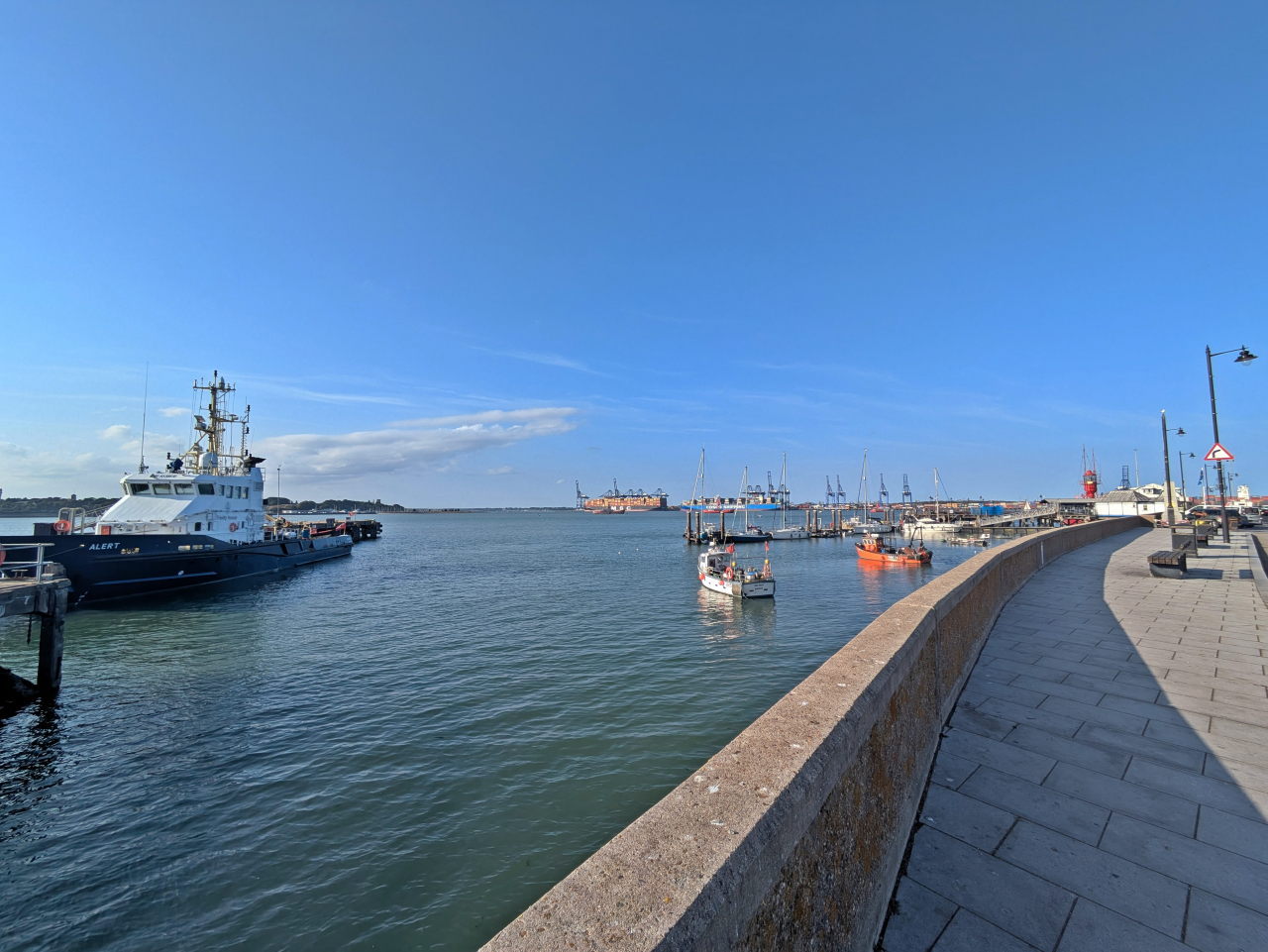
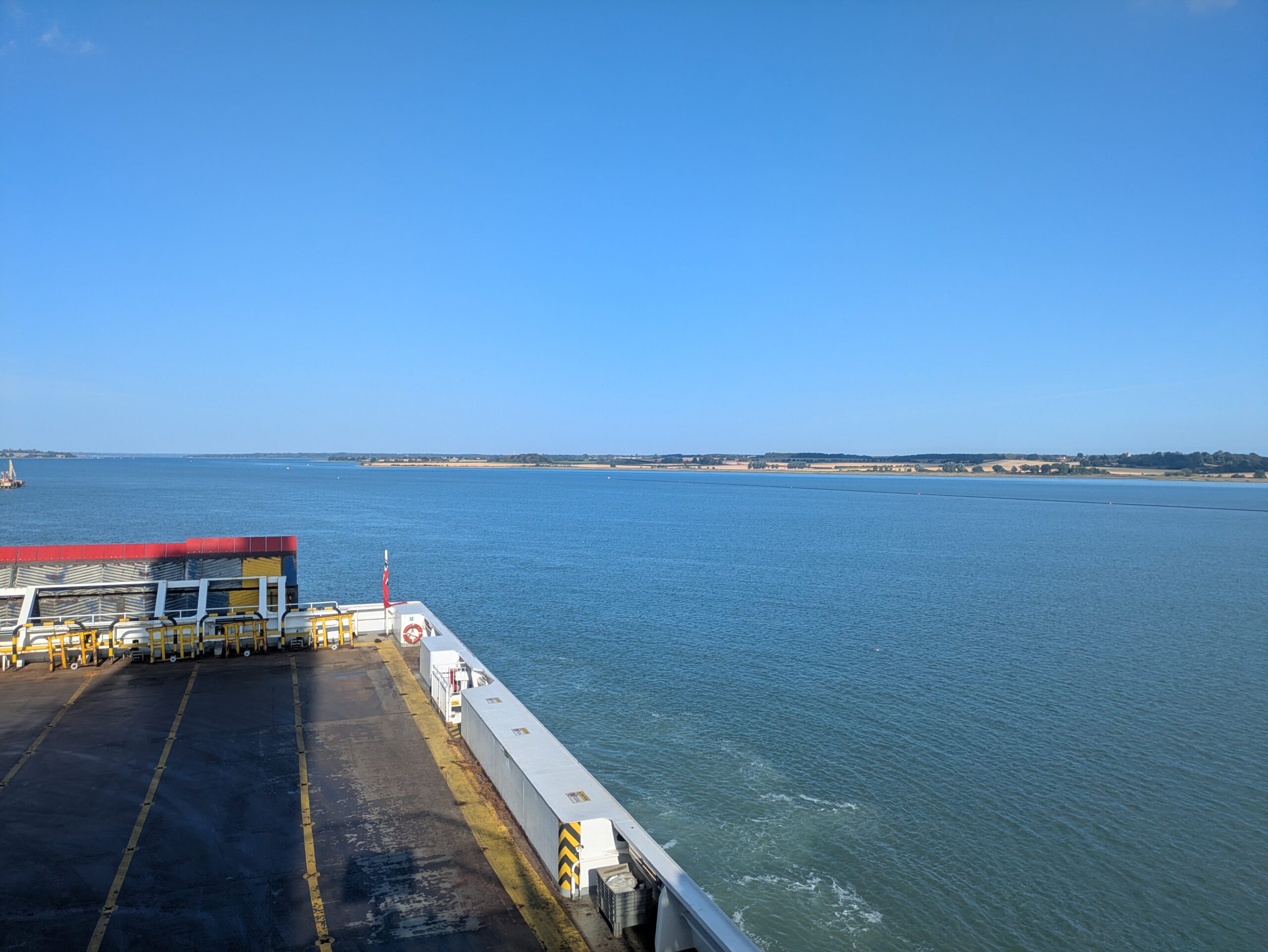
Next day was a 7 hour crossing to the Hook of Holland. People ask me what the Dutch call it, Well, it’s « Hoek van Holland ». Hoek is an old Dutch word, which was replaced by the word « Kaap », meaning cape. Too late, the English translated it to «hook» and the Dutch finally kept « hoek ».
There. You learnt something. For free too !
The next day I did what I came to Holland to do : Met my cousin!
Jolanda is a very nice lady, the result of her mother being a good-looking au pair girl and one of my uncles being a very naughty boy. It’s funny, when I look at Jolanda, I see a bit of my uncle, a bit of my cousin Diane and somehow Dutch at the same time.
I loved meeting her and her daughters Liza and Sanne and Liza’s son Matthias. Jolanda’s husband is very nice too, but I’m ashamed I don’t remember his name.
And that was it ! End of voyage almost. I rode through Holland and a bit of Belgium, through the battlefields of Verdun. Two nights and two and a half days later and I was back in Switzerland. Twelve thousand kilometers, calloused palms and a sore bum. I loved it.
Next year, I don’t know if I will travel. I have to do some medical treatment first, to put the cancer back in it’s place, so traveling, if my doctors don’t kill me, will depend on how quickly and how well the convalescence goes. Maybe Italy, Maybe Greece, maybe Romania. Who knows ?
0 Comments